






Walking for Wellness: Why a Daily Walk Might Be the Most Underrated Exercise
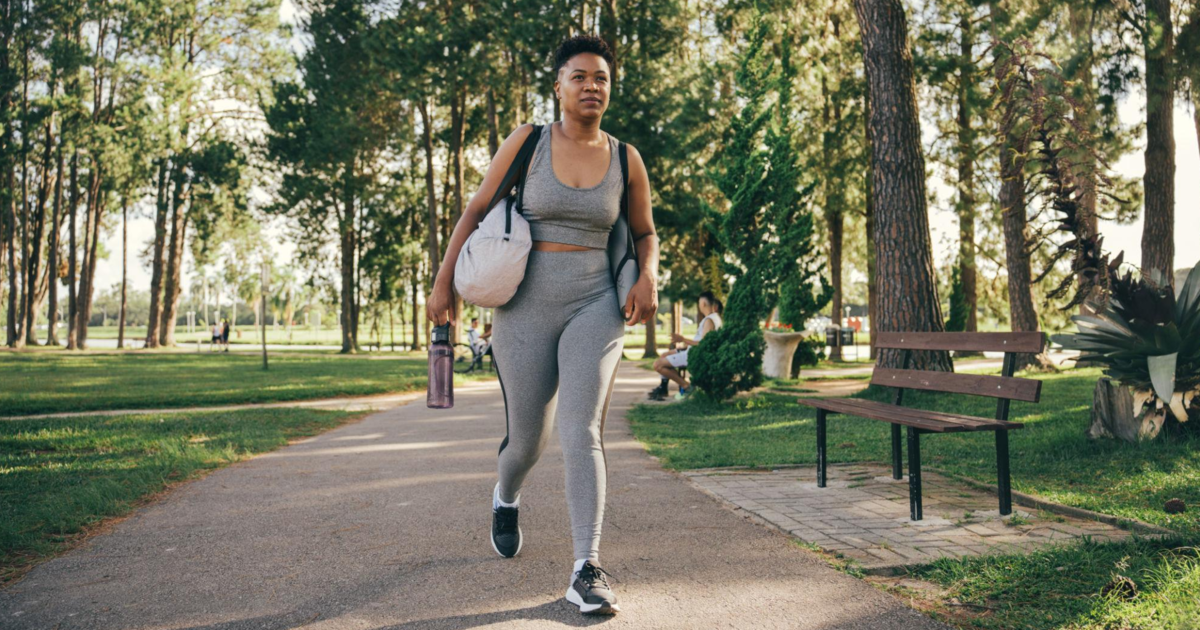
When people think about getting fit, they often picture intense workouts, crowded gyms, or long training sessions. While these forms of exercise certainly have their place, they aren't the only ways to stay active. One of the simplest and most accessible forms of movement is something most of us already know how to do—walking. Whether you're taking a stroll around your neighborhood, walking your dog, exploring a local park, or choosing the stairs instead of the elevator, every step contributes to a more active lifestyle. Walking doesn't require expensive equipment, advanced skills, or a gym membership. It can fit into almost any schedule and be adapted to different fitness levels. The best part is that walking doesn't have to feel like a workout. It can be a chance to enjoy fresh air, spend time with family or friends, listen to your favorite podcast, or simply clear your mind after a busy day. In this article, we'll explore why walking deserves more attention, how to make it part of your daily routine, and practical ideas to help you move more without completely changing your lifestyle.
Why Walking Is a Great Form of Exercise
Walking is often overlooked because it feels so familiar, but its simplicity is exactly what makes it sustainable. Unlike many fitness programs that require special equipment or a fixed schedule, walking can happen almost anywhere and at almost any time. Some reasons people enjoy walking include:
- It requires little to no equipment beyond comfortable shoes.
- It's suitable for beginners and experienced exercisers alike.
- You can adjust the pace to match your comfort level.
- It can be done alone or with others.
- It's easy to incorporate into everyday activities.
Consistency is often more important than intensity, and walking is one of the easiest habits to maintain over the long term.
Simple Ways to Walk More Every Day
You don't need to set aside an entire hour to become more active. Small opportunities throughout the day can quickly add up.
Turn Everyday Tasks Into Walking Opportunities
Instead of looking for extra time to exercise, try adding more movement to activities you're already doing. Ideas include:
- Park a little farther from the entrance.
- Walk while talking on the phone.
- Take the stairs instead of the elevator when possible.
- Walk to a nearby coffee shop instead of driving.
- Take a short walk after lunch or dinner.
These simple choices can help make movement a natural part of your routine.
Make Walking Social
Walking becomes even more enjoyable when shared with others. You could:
- Invite a friend for an evening walk.
- Walk with your family after dinner.
- Meet coworkers for a walking break.
- Explore local parks on weekends.
- Join a neighborhood walking group.
Conversation often makes time pass quickly, and regular walks become something to look forward to.
Explore New Places
Changing your surroundings keeps walking interesting. Try visiting:
- Nature trails
- Botanical gardens
- Beaches
- Lakeside paths
- Historic neighborhoods
- Local farmers markets
Walking can become an opportunity to discover new places while staying active.
Make Walking More Enjoyable
One reason people stop exercising is because it begins to feel like a chore. Walking is easy to personalize so it stays enjoyable. Here are a few ideas:
Create a Walking Playlist
Listening to upbeat music can make your walk feel more energetic, while calming music is perfect for a relaxed evening stroll.
Listen to Podcasts or Audiobooks
Turn your daily walk into an opportunity to learn something new or enjoy a good story.
Walk With a Purpose
Rather than walking in circles, combine it with another activity:
- Pick up groceries.
- Visit the library.
- Walk to a local café.
- Take photos of nature.
- Run small errands.
Giving your walk a purpose can make it feel even more rewarding.
Build a Walking Habit That Lasts
The secret to long-term fitness isn't finding the perfect workout—it's finding something you can continue doing consistently.
Start Small
If you're new to regular exercise, begin with 10–15 minutes a day. As walking becomes part of your routine, you can gradually increase the time or pace if you choose.
Schedule It Like an Appointment
Adding walks to your calendar can help turn them into a regular habit. Some people enjoy:
- Morning walks before work
- Lunch break walks
- Evening walks with family
- Weekend nature walks
Choose the time that fits your lifestyle rather than forcing a schedule that isn't realistic.
Track Your Progress
Keeping a simple record of your walks can be motivating. You might track:
- Minutes walked
- Days per week
- Favorite walking routes
- New places explored
The goal isn't perfection—it's noticing your consistency over time.
Support Your Fitness Routine With Healthy Lifestyle Habits
Walking is just one piece of an active lifestyle. To create a balanced wellness routine, consider combining regular movement with other healthy habits, such as:
- Eating balanced meals with a variety of whole foods.
- Drinking enough water throughout the day.
- Prioritizing quality sleep.
- Taking breaks from prolonged sitting.
- Managing stress through relaxation or mindfulness.
- Making time for hobbies and social connections.
Some people also choose to include dietary supplements as part of their daily wellness routine, depending on their individual nutritional needs and lifestyle. Supplements are intended to complement healthy habits—not replace balanced nutrition or regular physical activity. The most sustainable fitness routines are built on simple, consistent choices rather than dramatic changes.
Conclusion
Fitness doesn't always have to mean high-intensity workouts or complicated training plans. Sometimes, the most effective habit is also the simplest one. Walking is accessible, flexible, and easy to adapt to almost any lifestyle. Whether you're walking through your neighborhood, exploring a local park, taking a break during the workday, or enjoying an evening stroll with loved ones, every step contributes to a more active routine. Rather than focusing on doing everything perfectly, focus on moving a little more than you did yesterday. A daily walk may seem like a small habit, but over time, those small steps can become the foundation of a healthier, more active lifestyle.