




Healthy Aging Starts in Your 30s: Everyday Habits That Can Benefit You for Years to Come
When people hear the phrase healthy aging, they often think it's something to worry about much later in life. In reality, many of the habits that support long-term well-being begin years—sometimes even decades—before we notice visible signs of aging. Your 30s and 40s are often busy seasons of life. Careers become more demanding, family responsibilities grow, and personal time can become harder to find. During these years, it's easy to focus on immediate priorities while putting your own health on the back burner. The encouraging news is that healthy aging doesn't require dramatic lifestyle changes or expensive wellness routines. Small, consistent habits—such as eating balanced meals, staying active, protecting your skin, managing stress, and getting enough sleep—can help build a strong foundation for the years ahead. This article explores practical, everyday habits that support healthy aging and shows how simple choices today can contribute to feeling your best in the future.
Healthy Aging Is About More Than Appearance
Anti-aging is often associated with reducing wrinkles or maintaining youthful-looking skin. While appearance is one part of the conversation, healthy aging is much broader. It also includes maintaining energy, supporting mobility, staying socially connected, and continuing to enjoy the activities that matter most. Rather than trying to "stop aging," consider focusing on habits that help you age well. These habits can include:
- Choosing balanced meals.
- Staying physically active.
- Getting quality sleep.
- Managing everyday stress.
- Maintaining meaningful relationships.
- Scheduling regular health checkups.
Healthy aging is a lifelong process built through daily choices, not quick fixes.
Five Everyday Habits That Support Healthy Aging
Instead of trying to change everything at once, focus on habits that are realistic and sustainable.
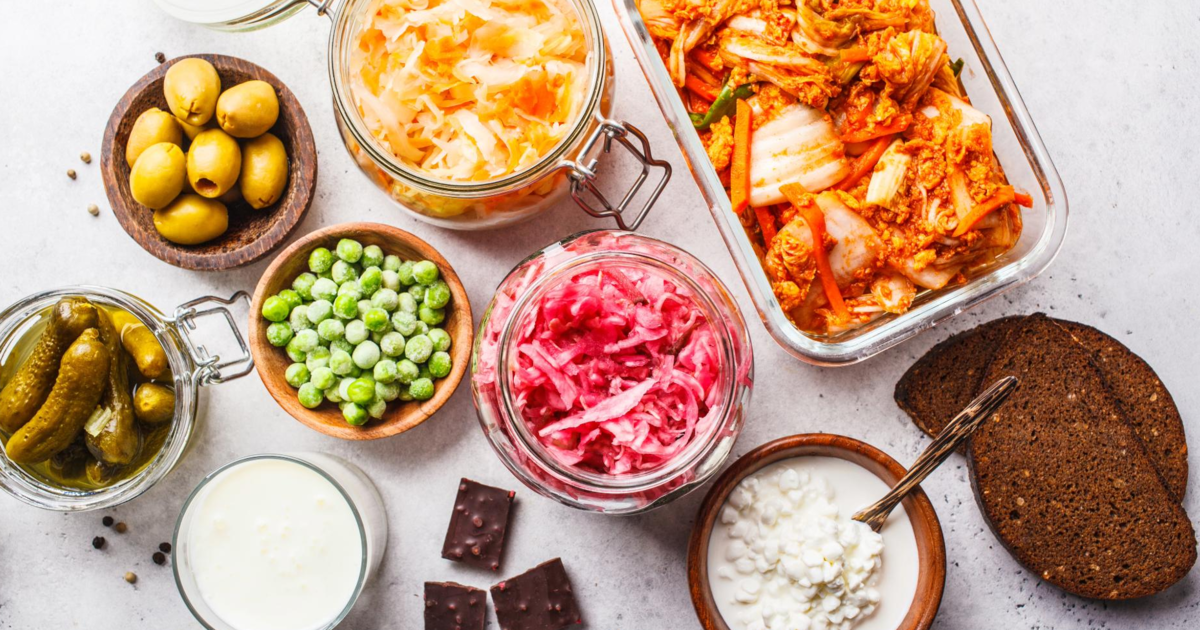
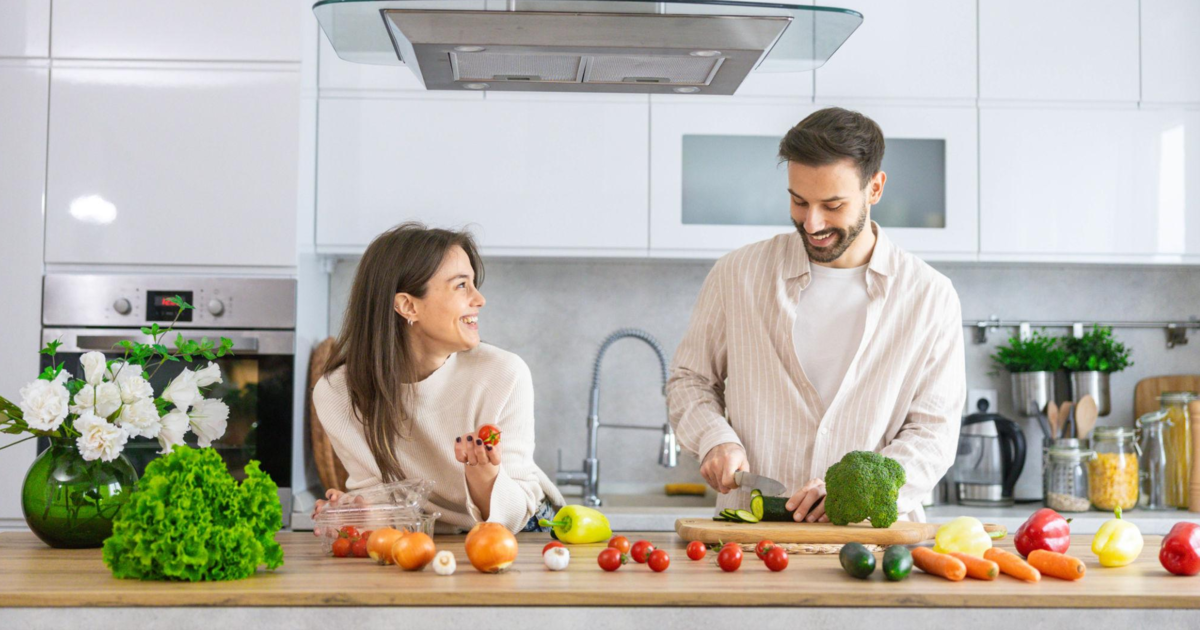
1. Prioritize Colorful, Balanced Meals
Aim to fill your plate with a variety of whole foods, including:
- Colorful fruits and vegetables
- Whole grains
- Lean proteins
- Healthy fats
- Legumes and beans
Eating a wide variety of foods helps keep meals enjoyable while supporting overall nutrition.
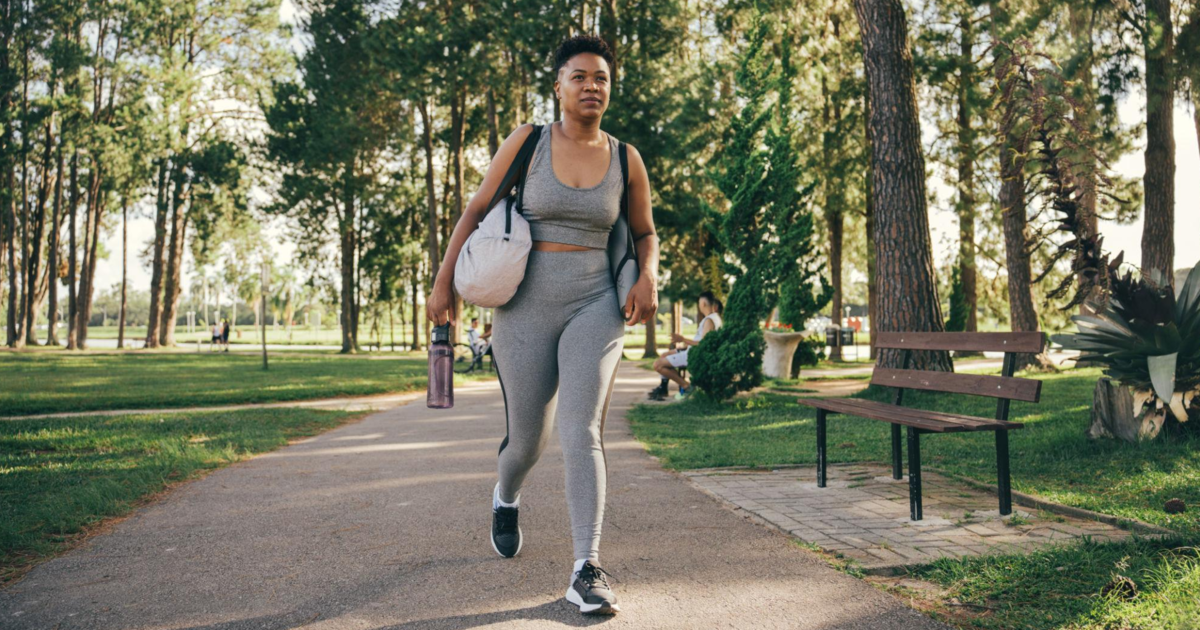
2. Keep Moving Every Day
Physical activity doesn't have to mean spending hours at the gym. Simple activities such as:
- Walking
- Cycling
- Gardening
- Stretching
- Swimming
- Dancing
can all become part of an active lifestyle. Finding movement you genuinely enjoy makes it much easier to stay consistent.
3. Protect Your Skin Every Day
Your skin is exposed to environmental factors every day, not just during summer vacations. Simple habits include:
- Applying sunscreen before spending time outdoors.
- Wearing hats or sunglasses in bright sunlight.
- Staying hydrated.
- Cleansing your skin gently.
- Using moisturizer regularly.
Daily consistency often matters more than having an elaborate skincare routine.
4. Make Sleep a Priority
Quality sleep gives your body time to recover and recharge. To support better sleep, consider:
- Keeping a consistent bedtime.
- Reducing screen time before bed.
- Creating a cool, comfortable bedroom.
- Avoiding large meals right before sleeping.
Even small improvements to your evening routine can make mornings feel more refreshing.
5. Stay Connected
Healthy aging isn't only physical. Maintaining friendships, spending time with family, joining community activities, or simply having regular conversations with loved ones can contribute to overall well-being and make everyday life more enjoyable.
Build Habits That Are Easy to Maintain
One reason many wellness routines fail is that they ask too much, too soon. Instead of creating a long list of goals, focus on one small improvement at a time. For example:
Week 1: Take a 20-minute walk after dinner.
Week 2: Add one extra serving of vegetables each day.
Week 3: Drink more water throughout the workday.
Week 4: Go to bed 20 minutes earlier.
Over time, these habits naturally become part of your routine without feeling overwhelming. Remember that consistency is far more valuable than perfection.
A Healthy Lifestyle Is Built on Balance
One common misconception is that healthy aging requires giving up everything you enjoy. In reality, balance is often more sustainable than strict rules. You can still:
- Enjoy meals with friends.
- Celebrate special occasions.
- Try new restaurants.
- Travel.
- Relax on weekends.
Healthy living is about what you do most of the time—not every single day. Creating room for flexibility can help your healthy habits last for years rather than weeks.
Can Supplements Be Part of a Healthy Aging Routine?
Balanced nutrition, regular physical activity, quality sleep, and stress management remain the foundation of healthy aging. Some individuals also choose to include dietary supplements as part of their wellness routine to complement these healthy habits and support their nutritional needs. Supplements are intended to complement—not replace—a varied diet and healthy lifestyle. The strongest approach to healthy aging combines:
- Nutritious meals
- Regular movement
- Quality sleep
- Hydration
- Sun protection
- Meaningful social connections
- Consistent healthy habits over time
When these habits work together, they create a solid foundation for long-term wellness.
Conclusion
Healthy aging doesn't begin when wrinkles appear or retirement approaches—it begins with the everyday choices you make throughout adulthood. Whether you're in your 30s, 40s, or beyond, it's never too early or too late to build habits that support your future well-being. Eating balanced meals, staying active, protecting your skin, getting enough sleep, and maintaining meaningful relationships are all simple yet powerful steps toward aging well. Rather than chasing perfection, focus on steady progress. Small actions repeated consistently often have the greatest impact over time. By investing in your health today, you're also investing in the quality of life you hope to enjoy in the years ahead.