





Eat the Rainbow: A Practical Guide to Adding More Color to Your Plate
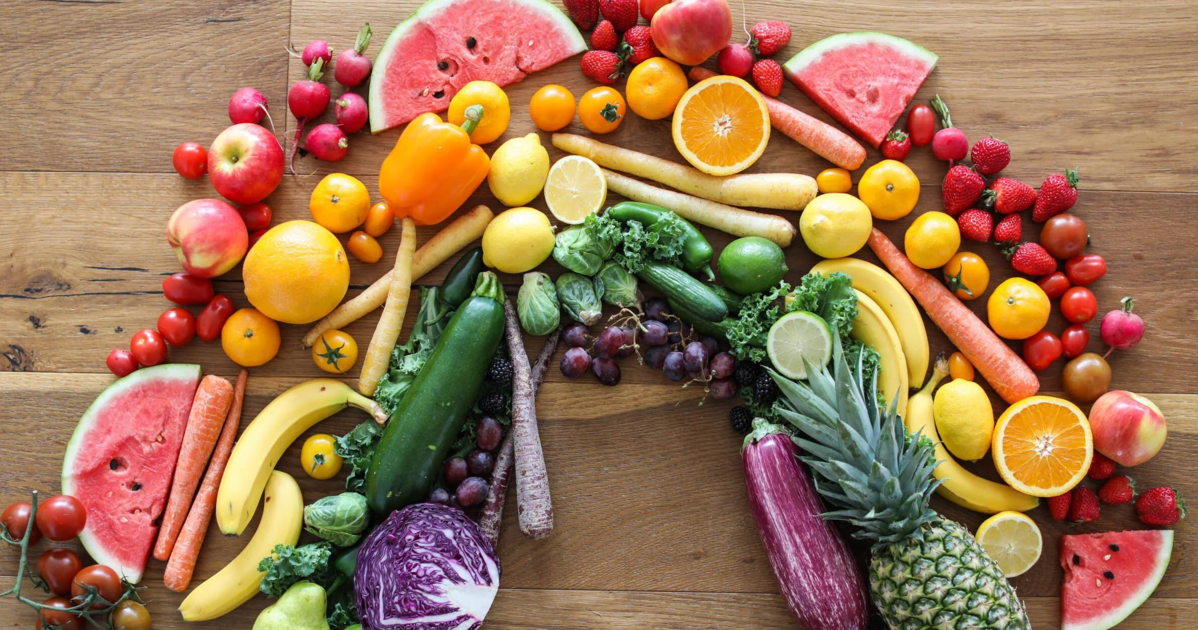
Have you ever noticed how the most appealing meals are often the most colorful? A vibrant salad, a bowl of fresh fruit, or a stir-fry filled with vegetables naturally catches the eye before the first bite. Adding more color to your plate isn't just about making meals look beautiful—it can also encourage you to enjoy a wider variety of foods. Different fruits and vegetables bring unique flavors, textures, and nutrients, making everyday meals more interesting and satisfying. The phrase "eat the rainbow" is a simple reminder to include a broad range of naturally colorful plant foods in your diet over time. Rather than focusing on a single "superfood," this approach encourages variety, flexibility, and balance. In this article, we'll explore why colorful eating matters, practical ways to include more colors throughout the week, and easy meal ideas that fit into everyday life.
What Does "Eat the Rainbow" Mean?
Eating the rainbow doesn't mean every meal needs to contain every color. Instead, it's about enjoying a wide variety of naturally colorful fruits and vegetables across your meals throughout the week. Think of your plate as a canvas. Instead of relying on only one or two ingredients, try mixing different colors together to create meals that are both visually appealing and enjoyable to eat. Examples include:
- Red tomatoes with green spinach
- Orange carrots with purple cabbage
- Yellow bell peppers with broccoli
- Blueberries with strawberries and yogurt
The more variety you include, the more exciting your meals can become.
A Colorful Guide to Fruits and Vegetables
❤️ Red Foods
Examples include:
- Tomatoes
- Strawberries
- Watermelon
- Red bell peppers
- Cherries
- Raspberries
Easy ways to enjoy them:
- Add sliced tomatoes to sandwiches.
- Snack on strawberries.
- Roast red peppers with dinner.
- Blend berries into smoothies.
🧡 Orange Foods
Examples include:
- Carrots
- Sweet potatoes
- Pumpkin
- Mango
- Cantaloupe
- Butternut squash
Simple meal ideas:
- Roast sweet potato cubes.
- Add shredded carrots to salads.
- Blend mango into smoothies.
- Make pumpkin soup during cooler months.
💛 Yellow Foods
Examples include:
- Corn
- Pineapple
- Yellow squash
- Bananas
- Yellow bell peppers
Try:
- Grilling pineapple.
- Adding corn to grain bowls.
- Slicing bananas over oatmeal.
- Stir-frying yellow peppers with chicken.
💚 Green Foods
Green vegetables are often some of the easiest foods to include every day.
Examples:
- Spinach
- Broccoli
- Kale
- Cucumbers
- Avocados
- Green beans
Simple ideas:
- Add spinach to smoothies.
- Roast broccoli with olive oil.
- Slice avocado onto toast.
- Snack on cucumber with hummus.
💙💜 Blue & Purple Foods
Examples include:
- Blueberries
- Blackberries
- Purple cabbage
- Eggplant
- Grapes
- Plums
Ways to enjoy them:
- Mix berries into yogurt.
- Add cabbage to tacos.
- Roast eggplant.
- Freeze grapes for a refreshing snack.
🤍 White & Brown Foods
Although less colorful, these foods also deserve a place on your plate.
Examples include:
- Mushrooms
- Cauliflower
- Garlic
- Onions
- Potatoes
- Parsnips
These ingredients add flavor, texture, and variety to countless recipes.
Easy Ways to Add More Color Every Day
Adding colorful foods doesn't require complicated recipes. Here are a few practical ideas.
Build a Colorful Breakfast
Instead of plain cereal, try:
- Oatmeal with blueberries and banana
- Greek yogurt with strawberries and kiwi
- Whole-grain toast with avocado and tomato
- Smoothies with spinach, berries, and mango
Brighten Your Lunch
Easy combinations include:
- Mixed green salads with colorful vegetables
- Grain bowls topped with roasted vegetables
- Wraps filled with spinach, carrots, peppers, and grilled chicken
- Vegetable-packed soups
Make Dinner More Vibrant
Aim to include two or three colorful vegetables alongside your main protein.
For example:
- Grilled salmon with broccoli and carrots
- Chicken stir-fry with bell peppers and snap peas
- Turkey tacos topped with purple cabbage and tomatoes
- Whole wheat pasta with spinach and mushrooms
Snack Smarter
Healthy snacks can also add color to your day. Ideas include:
- Apple slices with almond butter
- Mixed berries
- Bell pepper strips with hummus
- Baby carrots
- Grapes
- Orange slices
Shop by Color
Next time you visit the grocery store, challenge yourself to buy at least one fruit or vegetable from several different color groups. For example:
- ❤️ Tomatoes
- 🧡 Sweet potatoes
- 💛 Yellow peppers
- 💚 Spinach
- 💜 Blueberries
This simple habit naturally increases variety throughout the week. Seasonal produce is often fresher, more flavorful, and can inspire new recipes throughout the year.
Get the Whole Family Involved
Eating colorful meals can also become a fun family activity. Children especially enjoy bright foods and creative presentations. Ideas include:
- Let children choose one new fruit each week.
- Create rainbow fruit skewers.
- Build colorful taco bars.
- Prepare homemade smoothie bowls.
- Arrange vegetables into fun shapes.
Cooking together also provides opportunities to introduce new ingredients in a relaxed and enjoyable way.
Can Supplements Replace Fruits and Vegetables?
While dietary supplements may complement a healthy lifestyle for some individuals, they are not intended to replace the wide variety of nutrients, fiber, flavors, and textures that whole fruits and vegetables provide. Building meals around colorful plant foods remains one of the simplest ways to create a balanced eating pattern. For those who choose to use dietary supplements, they work best alongside nutritious meals, regular physical activity, adequate hydration, quality sleep, and other healthy daily habits.
Small Changes Make a Colorful Difference
You don't have to completely change your diet overnight. Instead, focus on adding just one more colorful food to your meals each day. This week, you could try:
Monday: Add berries to breakfast.
Tuesday: Include a side salad with lunch.
Wednesday: Roast colorful vegetables for dinner.
Thursday: Snack on orange slices instead of chips.
Friday: Blend a green smoothie.
Weekend: Visit a local farmers market and choose a fruit or vegetable you've never tried before.
Over time, these small choices can help create a more varied and enjoyable way of eating.
Conclusion
Eating the rainbow is one of the simplest and most enjoyable approaches to balanced nutrition. Instead of focusing on restrictions or counting every detail, it encourages you to celebrate variety by filling your plate with colorful fruits, vegetables, whole grains, and other wholesome foods. Whether you're preparing breakfast, packing lunch, cooking dinner, or choosing a snack, adding more natural color can make meals both more appealing and more diverse. Remember, healthy eating isn't about perfection—it's about making small, consistent choices that fit your lifestyle. One colorful meal at a time, you can build habits that make nutritious eating easier, more enjoyable, and sustainable for years to come.