



The Structural Architect: Why Choline is the Unsung Hero of Cellular and Cognitive Health
When we map out our daily nutritional goals, we often focus on the heavy hitters: Vitamin C for seasonal defense, Vitamin D3 for structural immune support, and Magnesium for systemic relaxation. Yet, there is a fundamental nutrient that builds the literal scaffolding of every single cell in your body, manages the export of lipids from your liver, and dictates the speed of your cognitive processing. Despite its massive biological workload, this nutrient is routinely overlooked in modern nutrition: Choline. Officially recognized as an essential nutrient, Choline is a water-soluble compound that behaves very much like a B-vitamin. It is a true multi-tasking powerhouse. Your body requires a steady stream of Choline to maintain cellular integrity, manage internal detoxification, and keep your nervous system communicating smoothly. When your Choline reserves run low, your physical architecture and mental clarity suffer a silent, progressive decline.
Building the Cellular Boundary: Phospholipids
To appreciate why Choline is so critical, you have to look closely at the boundary line of human life: the cellular membrane. Every cell in your body is enclosed in a protective double layer of lipids that acts as a strict gatekeeper, deciding what nutrients enter the cell and what metabolic waste products exit.
- The Phosphatidylcholine Matrix: Roughly 40% to 50% of this delicate cellular membrane is made up of a specific structural fat called phosphatidylcholine.
- The Blueprint: Choline is the absolute core building block your body needs to manufacture phosphatidylcholine. Without a continuous supply of this nutrient, your body struggles to repair damaged cellular walls, leaving your tissues less resilient to environmental oxidative stress and compromising systemic cellular communication.
The Liver Escort: Preventing Fatty Accumulation
Beyond its structural role in individual cell walls, Choline functions as an indispensable biological escort for lipids inside your liver.
- The VLDL Transit: When your body processes dietary fats or mobilizes fat stores for energy, your liver packages these lipids into transport vehicles called Very Low-Density Lipoproteins (VLDLs) so they can be safely sent out into the bloodstream to fuel your muscles.
- The Critical Bottleneck: The outer shell of these VLDL transport vehicles must be built from phosphatidylcholine. If your diet lacks sufficient raw Choline, your liver cannot manufacture the VLDL shells required to export fat. As a result, lipids become trapped inside the liver tissue, accumulating over time and leading to a highly congested, sluggish metabolic state known as non-alcoholic fatty liver disease (NAFLD). Choline ensures that your liver can clear its lipid traffic smoothly and continuously.
Acetylcholine Synthesis: The Cognitive Spark
Choline doesn't just manage the physical structures of your body; it also commands your daily cognitive baseline. It is the direct raw material your brain uses to produce acetylcholine, one of the most vital neurotransmitters in the human nervous system.
- The Focus Signal: Acetylcholine is the primary chemical messenger responsible for cognitive processing speed, neuroplasticity, memory formation, and executive focus. It is the molecule that allows your brain cells to fire clean, crisp signals across synapses.
- The Autonomic Balance: Outside of your brain, acetylcholine serves as the lead signaling molecule for your parasympathetic nervous system—the "rest, digest, and repair" network that lowers your heart rate, stimulates optimal stomach acid (HCl) production, and coordinates healthy intestinal motility. A subclinical Choline deficit can manifest as persistent brain fog, a sudden drop in short-term memory capacity, or a sluggish digestive system that struggles to break down meals.
Sourcing Choline: Navigating the Nutrient Matrix
While your liver can manufacture a very small amount of Choline internally, it is nowhere near enough to meet your body's total daily structural and cognitive demands. You must actively harvest this nutrient from dense, whole-food sources:
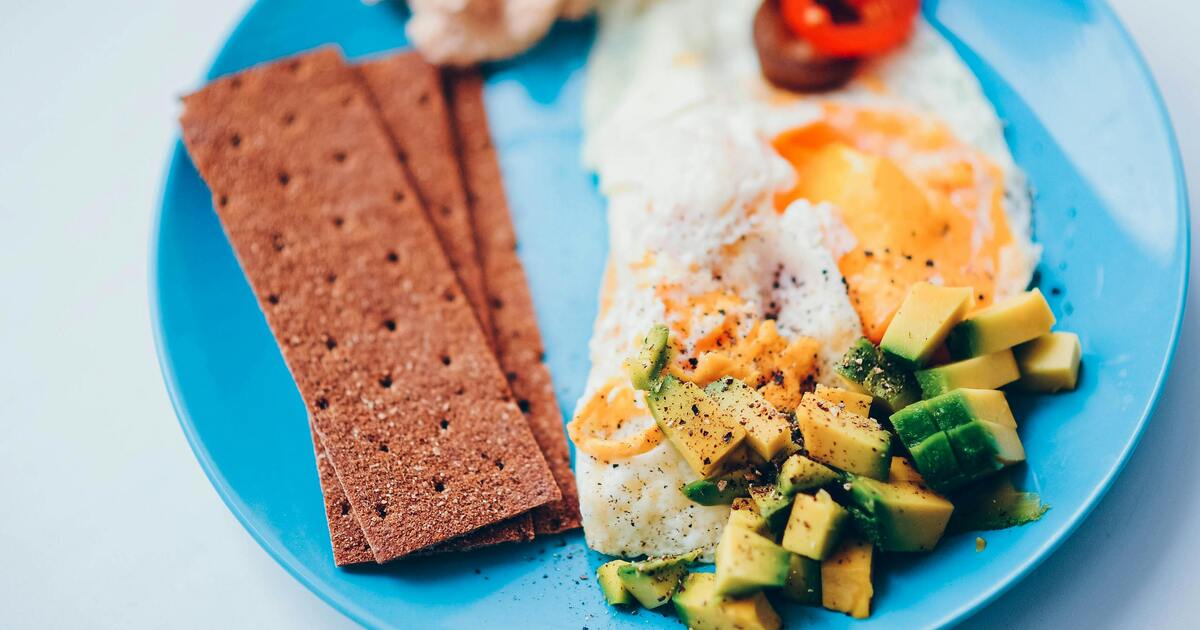
- The Golden Standard: Pasture-raised egg yolks are the most concentrated and bioavailable source of Choline on the planet. The Choline in egg yolks is naturally packaged in its phospholipid form, making it exceptionally easy for your intestinal lining to absorb and deliver straight to your liver and brain.
- The Animal Scaffolding: Wild-caught seafood (such as salmon and cod), grass-fed beef, and organic chicken breast offer dense servings of this essential nutrient.
- The Plant Configuration: For plant-based layouts, Choline can be sourced through cruciferous vegetables like Brussels sprouts and broccoli, as well as raw sunflower seeds and soaked organic soybeans. However, because plant-based sources contain significantly lower concentrations per serving, individuals following a strict plant framework must consciously prioritize these foods daily to keep their structural architecture fully fortified.
Conclusion
Nutritional vitality is determined by the integrity of your smallest components. If your individual cell walls are weak, your liver is congested, and your neurotransmitters are depleted, no amount of macro-nutrient tracking will deliver true health. Choline is the silent architect that fixes these root-level structural bottlenecks. By honoring your biological requirement for this foundational nutrient and filling your plate with clean, Choline-rich whole foods, you empower your body to maintain a clean liver, a strong cellular framework, and a sharp, focused mind from the inside out.