





The Prebiotic Substrate: A Savory Roasted Jerusalem Artichoke Spread
When the conversation turns to cultivating a resilient digestive ecosystem, our instinctive reaction is to reach for probiotic capsules or fermented foods. We try to flood our systems with live bacterial strains, hoping they will take up residence in our lower tract. However, introducing bacteria without giving them the specific fuel they need to survive is like planting seeds in barren desert sand. To truly shift your internal microbial landscape, you must focus on nutrition that feeds your resident microbes: Prebiotics. This savory, roasted spread transitions that exact ecological science onto your plate. By utilizing Jerusalem artichokes—the undisputed plant champion of a unique soluble fiber known as inulin—and roasting them to optimal structural tenderness, we create a highly targeted prebiotic delivery system. This recipe isn't just a rich, buttery addition to your culinary routine; it is a calculated, whole-food strategy designed to pass through your upper digestive tract intact and fuel your internal beneficial microbiome from the root up.
The Chemistry of Inulin Resistance
The magic behind this recipe lies in its structural resistance to human enzymes.
- The Indigestible Link: Inulin is a polydisperse carbohydrate composed of long chains of fructose molecules bound together by chemical links (β-2,1 bonds) that the human stomach and small intestine physically lack the enzymes to break down.
- The Transit Journey: Because it resists your native gastric juices and stomach acid ($HCl$), inulin travels through your upper digestive system entirely untouched. It acts as an uninhibited transit vehicle, arriving completely intact in your large intestine. Once there, your resident beneficial bacteria—specifically strains like Bifidobacteria and Lactobacilli—instantly recognize this fiber as their preferred substrate, consuming it to rapidly multiply and fortify your gut barrier.
Short-Chain Fatty Acids: The Cellular Fuel
When your gut microbes ferment the inulin from the Jerusalem artichokes, they produce vital metabolic byproducts known as Short-Chain Fatty Acids (SCFAs), primarily butyrate, acetate, and propionate.
- Fueling the Epithelium: Butyrate serves as the primary energy source for the very cells that line your colon (colonocytes), keeping your gut wall tightly sealed and structurally sound.
- Systemic Balance: These SCFAs lower the internal pH of your colon, creating a crisp, naturally acidic environment that prevents opportunistic, harmful bacteria from taking over your internal terrain.
Thermal Breakdown and Garlic Synergy
Jerusalem artichokes are intensely dense. To make them smooth, palatable, and easily accessible to your microbiome, this recipe pairs thermal roasting with supporting botanical elements:
- Heat-Softened Fiber: Roasting the artichokes at a moderate temperature breaks down the tough, woody outer plant structures, allowing the rich, internal inulin cream to caramelize lightly and blend smoothly.
- Alliinase Activation: Incorporating fresh, crushed garlic introduces allicin, a natural compound that provides powerful, targeted defense support for the digestive tract, working in tandem with prebiotic fibers to promote a clean internal environment.
The Recipe: The Inulin Prebiotic Spread
Prep Time: 10 mins | Cook Time: 30 mins | Yield: 1.5 cups
Ingredients:
- 1 lb Organic Jerusalem Artichokes (also known as Sunchokes), thoroughly scrubbed
- 3 cloves Fresh garlic, peeled
- 3 tbsp Extra virgin olive oil (the clean lipid carrier)
- 1 tbsp Fresh rosemary leaves, finely chopped
- 1 tbsp Raw apple cider vinegar (for a crisp, acidic pop)
- A precise pinch of unrefined sea salt and cracked black pepper
Instructions:
- Prep the Sunchokes: Do not peel the Jerusalem artichokes; their delicate skins contain dense mineral fractions and structural fibers. Instead, scrub them thoroughly with a vegetable brush under cold water to remove any soil. Slice them into uniform, 1/2-inch thick rounds.
- Coat the Substrate: Preheat your oven to 375°F. In a glass mixing bowl, toss the sliced sunchokes and whole garlic cloves with 2 tablespoons of extra virgin olive oil, the chopped rosemary, unrefined sea salt, and black pepper.
- The Thermal Roast: Spread the mixture evenly across a baking sheet lined with unbleached parchment paper. Roast for 25 to 30 minutes, turning once halfway through. You want the sunchokes to be completely tender when pierced with a fork, with a soft, translucent interior and lightly golden edges.
- Emulsify the Blend: Transfer the warm roasted sunchokes and garlic directly into a food processor or high-powered blender. Add the remaining 1 tablespoon of extra virgin olive oil and the raw apple cider vinegar.
- Process to a Cream: Blend on high for 45 to 60 seconds, scraping down the sides as needed, until the mixture transforms into a rich, velvety, spreadable paste. If it is too thick, add a single tablespoon of warm filtered water to assist the emulsification.
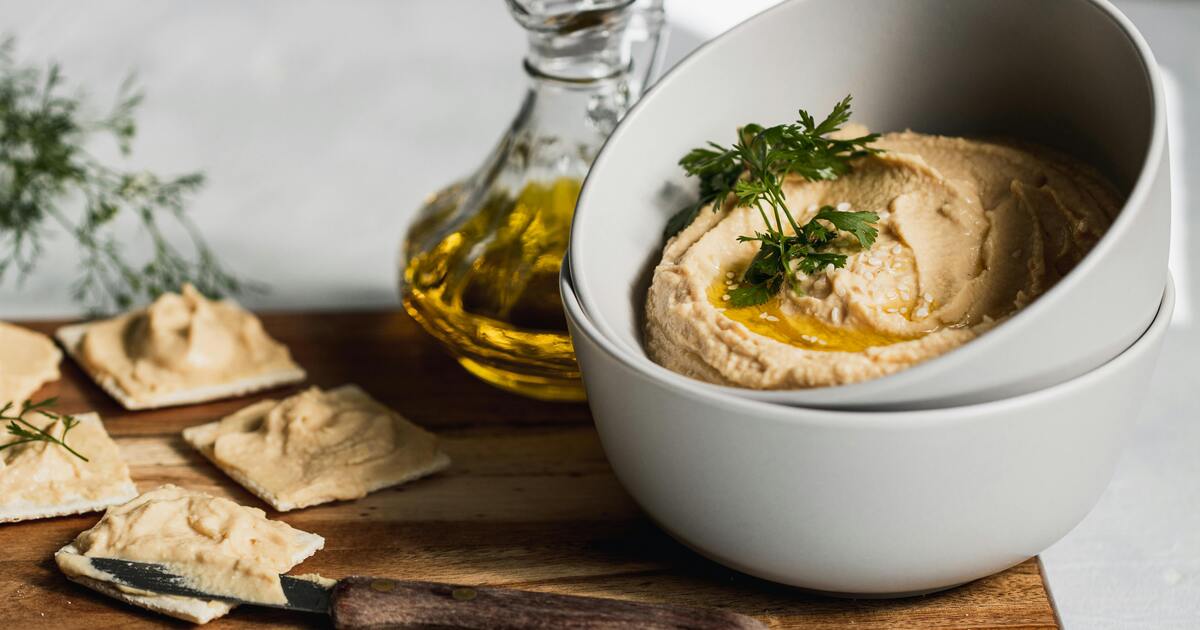
- Serve and Store: Transfer the savory spread to a clean glass jar. Serve warm or chilled as a rich topping for artisanal sourdough bread, a dip for raw cucumber slices, or a savory flavor base for roasted proteins. Store sealed in the refrigerator for up to 5 days.
Conclusion
A truly healthy digestive routine moves away from superficial trends and aligns itself with the strict biological needs of your internal ecosystem. This Roasted Jerusalem Artichoke Spread proves that feeding your gut bacteria can be incredibly savory, rich, and grounding. By utilizing the dense inulin scaffolding of sunchokes, protecting its transit with clean plant lipids, and activating your plate with fresh garlic, you deliver the exact substrate your microbiome needs to thrive. Treat your microbes with intention, and they will preserve your health in return.