






Strength Training for Beginners: Simple Exercises to Build a Stronger Everyday Body
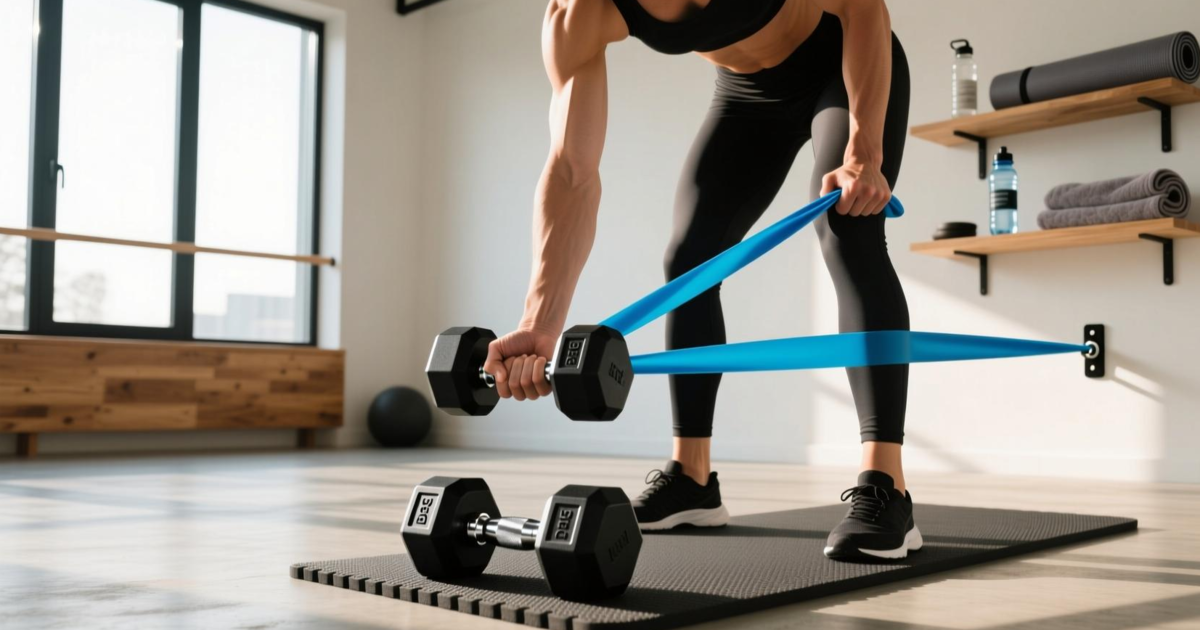
When people hear the words "strength training," they often imagine heavy barbells, crowded gyms, or experienced athletes lifting impressive amounts of weight. In reality, strength training is much more approachable than many people realize. You don't need expensive equipment, advanced techniques, or years of experience to start building strength. In fact, some of the most effective beginner workouts use only your own body weight or a pair of light dumbbells. Strength training isn't just about building muscle or improving athletic performance. It can make everyday activities—like carrying groceries, climbing stairs, lifting luggage, or playing with your children—feel easier and more comfortable. The key is to start with simple movements, focus on proper technique, and build consistency over time. This article will guide you through beginner-friendly strength exercises, practical workout tips, and ways to make strength training a sustainable part of your healthy lifestyle.
Why Everyone Can Benefit from Strength Training
Many people think strength training is only for younger adults or fitness enthusiasts. In reality, people of many ages and fitness levels can include some form of resistance exercise in their weekly routine. Building strength can support everyday movement and help you stay active throughout life. Simple benefits of strength-focused exercise include:
- Making daily tasks feel easier
- Supporting an active lifestyle
- Improving confidence during physical activities
- Complementing walking, cycling, swimming, and other forms of exercise
- Adding variety to your fitness routine
The goal isn't to lift the heaviest weights—it's to become stronger than you were yesterday.
You Don't Need a Gym to Get Started
One of the biggest misconceptions about strength training is that it requires a gym membership. Many effective exercises can be done:
- At home
- In your backyard
- At a local park
- While traveling
- In a small apartment
A few simple pieces of equipment can add variety, but they aren't essential. Beginner-friendly options include:
- Resistance bands
- Light dumbbells
- A sturdy chair
- A yoga mat
- Your own body weight
Even a small workout space can be enough to build an effective routine.
The Five Fundamental Movement Patterns
Instead of memorizing dozens of exercises, beginners can focus on a few basic movement patterns that appear in everyday life.
Squat
Squats mimic movements like sitting down and standing up. Beginner version:
- Bodyweight squat
- Chair squat
Push
Pushing movements help strengthen the upper body. Examples:
- Wall push-ups
- Incline push-ups
- Knee push-ups
Pull
Pulling exercises support balanced upper-body strength. Options include:
- Resistance band rows
- Dumbbell rows
Hinge
Hinge movements strengthen the muscles used when picking objects up from the floor. Examples:
- Glute bridges
- Romanian deadlifts with light dumbbells
Core Stability
Your core supports many everyday movements. Simple exercises include:
- Bird Dog
- Dead Bug
- Forearm Plank
- Side Plank
Learning these movement patterns creates a strong foundation for future workouts.
A Beginner Full-Body Workout
If you're just starting, you don't need a long or complicated routine. Try performing the following exercises two or three times per week.
Bodyweight Squats
- 10–12 repetitions
Wall Push-Ups
- 8–12 repetitions
Resistance Band Rows
- 10–12 repetitions
Glute Bridges
- 12–15 repetitions
Bird Dog
- 8 repetitions per side
Forearm Plank
- Hold for 20–30 seconds
Complete the circuit one to three times depending on your fitness level, resting for about 60 seconds between rounds. Remember that quality of movement is more important than speed.
Focus on Proper Form Before Adding Weight
One of the most common beginner mistakes is trying to lift heavier weights too soon. Instead, spend time learning good movement patterns. Helpful tips include:
- Move slowly and with control.
- Maintain good posture.
- Breathe naturally throughout each exercise.
- Stop if you experience pain.
- Increase difficulty gradually as you become more comfortable.
Mastering the basics creates a safer and more enjoyable workout experience.
How to Stay Consistent
Consistency is one of the biggest factors in long-term fitness success. Rather than trying to work out every day, create a realistic schedule. For example:
Monday
20-minute strength workout
Wednesday
30-minute walk and stretching
Friday
20-minute strength workout
Weekend
Outdoor activity such as hiking, cycling, or a family walk This balanced approach provides both movement and recovery.
Recovery Is Part of Training
Your body benefits from time to recover between workouts. Support your recovery by:
- Getting enough sleep
- Staying hydrated
- Eating balanced meals
- Taking rest days when needed
- Stretching after exercise
Recovery is not a sign of doing less—it's an important part of making progress.
Fuel Your Body for Strength
Exercise and nutrition work together. A balanced eating pattern that includes:
- Lean protein
- Whole grains
- Fruits
- Vegetables
- Healthy fats
- Plenty of water
can help support an active lifestyle. Preparing balanced meals after workouts can also help you build healthy routines that are easy to maintain.
Can Supplements Be Part of a Fitness Routine?
Whole foods should remain the foundation of good nutrition because they provide a wide variety of nutrients that support overall health and physical activity. However, depending on individual dietary preferences, schedules, or nutritional needs, some people choose to include dietary supplements as part of their wellness routine. Supplements are intended to complement healthy eating habits—not replace nutritious meals. The most effective approach combines balanced nutrition, regular exercise, adequate hydration, quality sleep, and consistent healthy habits.
Build Strength with Patience
One of the most rewarding aspects of strength training is seeing gradual progress. At first, improvements may be small. You might notice that:
- Carrying grocery bags feels easier.
- Climbing stairs requires less effort.
- Standing up from a chair feels smoother.
- Your posture improves during daily activities.
- You feel more confident trying new forms of exercise.
These everyday improvements often matter just as much as lifting heavier weights. Remember that progress isn't measured by one workout. It's built through weeks and months of consistent effort.
Conclusion
Strength training doesn't have to be intimidating or complicated. By focusing on simple exercises, proper technique, and realistic goals, you can build a routine that supports your everyday life and grows with you over time. Whether you're working out at home, exercising in the park, or using a few resistance bands in your living room, every session is an opportunity to become stronger, more confident, and more active. The best workout plan is the one you can maintain consistently. Start with the basics, celebrate small victories, and remember that every repetition is a step toward a healthier and stronger future.