




Everyday Habits That Help You Age Well: Small Lifestyle Changes with Lasting Benefits

When people hear the phrase "anti-aging," they often think of expensive skincare products, cosmetic treatments, or miracle solutions that promise dramatic results. While these products may have their place, healthy aging is about much more than appearance. The way you age is influenced by the everyday choices you make over many years. The foods you eat, the amount of movement you get, the quality of your sleep, how you manage stress, and even the relationships you maintain all contribute to your overall well-being as you grow older. The encouraging news is that healthy aging doesn't require a complete lifestyle overhaul. In fact, it's often the small habits you repeat consistently that make the biggest difference over time. In this article, we'll explore practical, science-informed lifestyle habits that can help support long-term wellness and make every stage of life more enjoyable.
Rethinking What "Aging Well" Really Means
Aging is a natural part of life. Rather than trying to stop it, a healthier goal is to support your body and mind so you can continue doing the things you enjoy. Healthy aging isn't measured by the number of candles on your birthday cake—it's reflected in your ability to stay active, curious, independent, and engaged with life. Instead of chasing perfection, focus on building habits that help you feel your best both today and in the years ahead.
Prioritize Consistent Sleep
Sleep is one of the most overlooked pillars of healthy aging. During sleep, your body performs many important maintenance processes that support overall health and daily functioning. Simple ways to improve your sleep routine include:
- Going to bed at a similar time each night
- Keeping your bedroom cool and comfortable
- Limiting screen time before bed
- Creating a relaxing bedtime routine
- Avoiding large meals immediately before sleeping
Good sleep isn't just about how many hours you spend in bed—it's also about creating an environment that supports quality rest.
Stay Physically Active Throughout the Day
Exercise doesn't always have to mean structured workouts. Many everyday activities contribute to an active lifestyle, including:
- Walking the dog
- Gardening
- Cleaning the house
- Taking the stairs
- Playing with children or grandchildren
- Riding a bicycle
- Stretching while watching television
In addition to daily movement, consider including strength training and flexibility exercises a few times each week to support overall fitness. The best activity is often the one you genuinely enjoy and can continue for years.
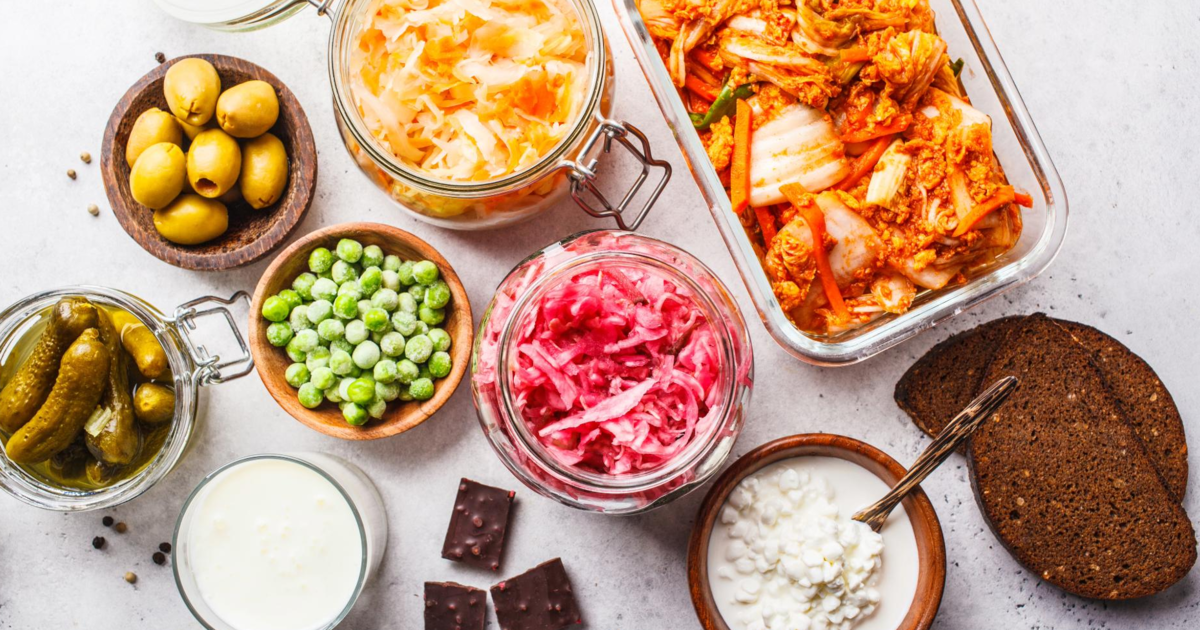
Eat with Variety, Not Restriction
Healthy eating doesn't need to revolve around complicated rules or eliminating entire food groups. Instead, aim to build meals that include a variety of nutritious foods. Try filling your plate with:
- Colorful fruits
- Vegetables
- Whole grains
- Lean proteins
- Healthy fats
- Beans and legumes
Eating a wide variety of foods helps make meals more enjoyable while supporting balanced nutrition. Remember that occasional treats can also fit into an overall healthy eating pattern.
Protect Your Skin Every Day
Healthy skin is about more than beauty—it's part of your body's natural protective barrier. Simple daily habits can help care for your skin:
- Wear sunscreen when spending time outdoors.
- Stay hydrated throughout the day.
- Use gentle cleansers.
- Moisturize regularly.
- Wear protective clothing during extended sun exposure.
Consistent skincare habits often matter more than complicated routines.
Keep Your Mind Active
Just as your body benefits from movement, your mind thrives on learning and curiosity. Consider activities such as:
- Reading books
- Solving puzzles
- Learning a new language
- Trying a musical instrument
- Exploring new recipes
- Taking online courses
- Visiting museums
Lifelong learning can make everyday life more interesting and rewarding.
Build Strong Social Connections
Meaningful relationships are an important part of overall wellness. Whether it's family, friends, neighbors, or community groups, staying connected with others can bring joy and a sense of belonging. Simple ways to strengthen social connections include:
- Scheduling regular phone calls
- Having meals together
- Joining a local club
- Volunteering
- Meeting friends for a walk
- Hosting a game night
Healthy aging is not just about physical health—it's also about enjoying meaningful experiences with others.
Spend More Time Outdoors
Nature offers an easy way to refresh both body and mind. Even short periods outside can make your day feel more balanced. Ideas include:
- Morning walks
- Weekend hikes
- Gardening
- Picnics
- Visiting local parks
- Reading outside on pleasant days
Fresh air and natural surroundings can provide a welcome break from busy indoor routines.
Learn to Manage Everyday Stress
Stress is a normal part of life, but how we respond to it can influence our overall well-being. Healthy ways to manage daily stress include:
- Deep breathing exercises
- Gentle stretching
- Meditation
- Journaling
- Listening to music
- Spending time with loved ones
- Enjoying hobbies
Rather than trying to eliminate stress completely, focus on creating regular opportunities to relax and recharge.
Can Supplements Support Healthy Aging?
Healthy aging begins with the fundamentals: balanced nutrition, regular movement, restorative sleep, hydration, and a well-rounded lifestyle. Some people also choose to include dietary supplements as part of their daily wellness routine to complement these healthy habits. Depending on individual nutritional needs, supplements may provide additional nutritional support when used alongside a balanced diet. It's important to remember that supplements are intended to complement—not replace—a healthy lifestyle. Long-term wellness is built through consistent habits that work together over time.
It's Never Too Early—or Too Late—to Start
One of the most common misconceptions about healthy aging is that it's something to think about only later in life. In reality, the habits you build today can benefit you at any age. You don't need to change everything overnight. Start with one simple habit:
- Drink an extra glass of water each day.
- Add one serving of vegetables to dinner.
- Take a 20-minute walk after work.
- Read for 15 minutes before bed.
- Call a friend you haven't spoken to in a while.
Small actions may seem insignificant on their own, but repeated consistently, they become the foundation of a healthier lifestyle.
Conclusion
Healthy aging isn't about finding a secret formula or following the latest trend. It's about creating everyday routines that help you care for your body, support your mind, and enjoy life at every stage. By prioritizing sleep, staying active, eating a balanced diet, protecting your skin, nurturing relationships, managing stress, and continuing to learn, you can build habits that support long-term wellness. Remember, aging is a journey—not a destination. The choices you make today can help you stay healthier, more active, and more confident for years to come. The best time to invest in your future well-being is now, one small habit at a time.