





Eating the Rainbow: How Colorful Foods Can Create a More Balanced Diet

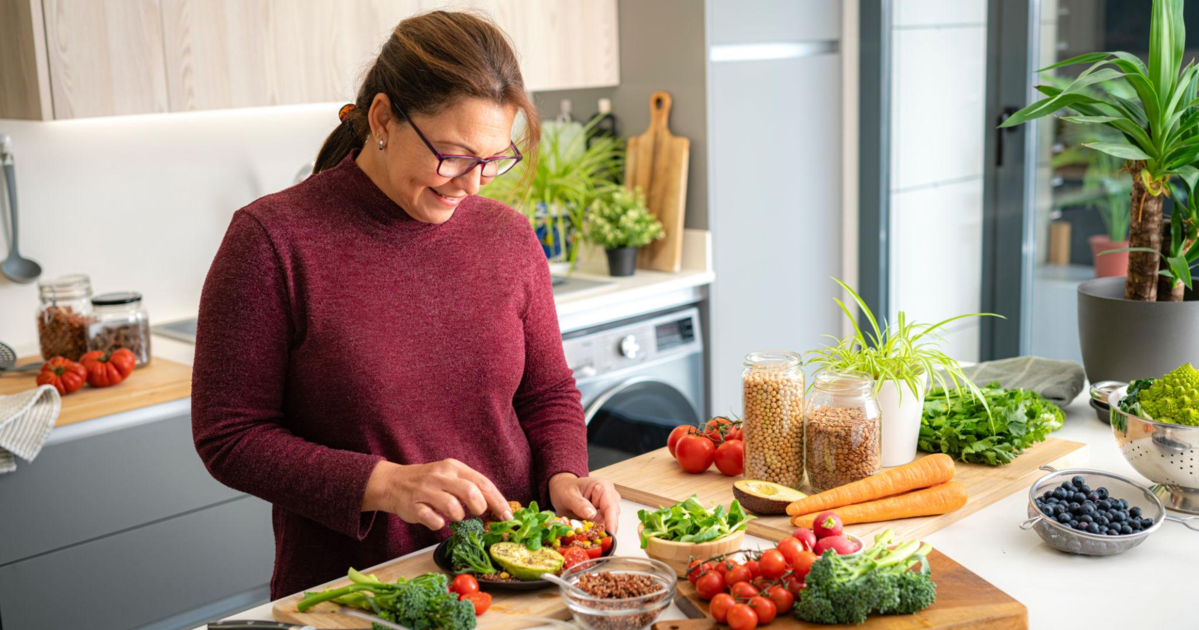
When it comes to healthy eating, many people focus on numbers—calories, grams of protein, or specific nutrients. While these details can be helpful, there is another simple and enjoyable way to think about nutrition: adding more color to your plate. The idea of "eating the rainbow" is based on including a variety of colorful fruits, vegetables, and whole foods in your meals. Different colors often come from naturally occurring plant compounds, and choosing a wide range of colorful foods can help create a more diverse and balanced eating pattern. Best of all, this approach doesn't require complicated meal plans or strict food rules. It simply encourages you to make your meals more colorful, flavorful, and enjoyable. In this article, we'll explore what different food colors can add to your diet and how you can easily bring more variety into your everyday meals.
Why Food Variety Matters
No single food provides every nutrient your body needs. A balanced diet is built by combining many different foods over time. Eating a variety of foods helps you include different sources of:
- Vitamins
- Minerals
- Fiber
- Protein
- Healthy fats
- Plant-based nutrients
Instead of asking, "Which one food is the healthiest?" a better question may be, "How can I include more variety in my meals?" A colorful plate is often a simple reminder to choose different types of nourishing foods.
Red Foods: Add Brightness to Your Plate
Red fruits and vegetables are some of the easiest ways to make meals more visually appealing. Examples include:
- Tomatoes
- Red bell peppers
- Strawberries
- Watermelon
- Cherries
- Red apples
Try adding red foods by:
- Slicing tomatoes into sandwiches
- Adding strawberries to breakfast bowls
- Including roasted red peppers in salads
- Enjoying watermelon as a refreshing snack
Red foods can bring natural sweetness, freshness, and variety to everyday meals.
Orange and Yellow Foods: Bring Warm Colors to Meals
Orange and yellow foods are naturally vibrant and easy to incorporate into many recipes. Examples include:
- Carrots
- Sweet potatoes
- Pumpkin
- Oranges
- Mangoes
- Yellow peppers
- Corn
Simple ideas:
- Add roasted sweet potatoes to grain bowls.
- Blend mango into smoothies.
- Use carrots as a convenient snack.
- Add colorful peppers to stir-fries.
These foods can make ordinary meals feel more exciting.
Green Foods: A Foundation of Balanced Eating
Green foods are some of the most common ingredients in healthy meals. Examples include:
- Spinach
- Kale
- Broccoli
- Cucumbers
- Green beans
- Avocados
- Kiwi
Easy ways to add more green foods:
- Add spinach to smoothies.
- Include a side salad with lunch.
- Add broccoli to dinner.
- Use avocado as a topping.
Even small additions can increase the variety of your meals.
Blue and Purple Foods: Explore Less Common Choices
Blue and purple foods are sometimes less common in everyday meals, but they can add beautiful color and variety. Examples include:
- Blueberries
- Blackberries
- Purple cabbage
- Eggplant
- Purple grapes
Try:
- Adding berries to yogurt or oatmeal
- Using purple cabbage in salads
- Keeping grapes available as a convenient snack
Exploring different colors can help prevent your meals from becoming repetitive.
White and Brown Foods: Don't Forget These Colors
While colorful fruits and vegetables often get the most attention, white and brown foods can also be part of a balanced diet. Examples include:
- Garlic
- Mushrooms
- Cauliflower
- Onions
- Oats
- Brown rice
- Whole grain bread
- Beans
These foods provide important variety and are often the foundation of many comforting, everyday meals.
Simple Ways to Eat More Colors Every Day
Eating the rainbow doesn't mean creating complicated recipes. Small changes can make a big difference.
Add One New Color to Your Plate
Challenge yourself to add one additional color to your meals. For example:
- Add berries to breakfast.
- Include a side of vegetables at lunch.
- Add herbs or greens to dinner.
Shop with Color in Mind
When grocery shopping, look at your cart and ask: "Do I have a variety of colors?" A colorful cart often leads to more interesting meals.
Try Seasonal Foods
Seasonal fruits and vegetables can add variety throughout the year. For example:
- Berries in summer
- Squash in fall
- Citrus fruits in winter
- Fresh greens in spring
Changing your ingredients with the seasons keeps healthy eating exciting.
Make Colorful Meals More Convenient
One reason people struggle to eat more vegetables and fruits is convenience. Preparing a few ingredients ahead of time can make healthy choices easier. Try:
- Washing fruit when you bring it home
- Cutting vegetables for quick snacks
- Preparing roasted vegetables in batches
- Keeping frozen fruits and vegetables available
- Creating simple salad ingredients for the week
Healthy eating becomes easier when nutritious choices are ready to enjoy.
Balance Is More Important Than Perfection
Eating the rainbow is not about avoiding foods that are less colorful or following strict rules. A healthy diet can include all kinds of foods. You can still enjoy:
- Your favorite desserts
- Restaurant meals
- Family recipes
- Occasional treats
The goal is to create balance over time, not to make every single meal perfect.
Can Supplements Complement a Colorful Diet?
A varied diet filled with fruits, vegetables, whole grains, quality proteins, and healthy fats provides the foundation for good nutrition. However, modern lifestyles can sometimes make it challenging to maintain a consistently balanced eating pattern. Busy schedules, travel, and changing dietary habits may affect daily nutrient intake. Many people choose to include dietary supplements as part of their wellness routine to complement healthy eating habits. Supplements are not a replacement for nutritious foods but can provide additional nutritional support alongside a balanced lifestyle. The most effective approach combines a variety of wholesome foods with healthy daily habits, including regular movement, hydration, and quality rest.
Conclusion
Eating the rainbow is a simple reminder that healthy nutrition can be both enjoyable and visually inspiring. By adding more colorful fruits, vegetables, and whole foods to your meals, you can naturally create more variety in your daily diet. You don't need to completely change the way you eat overnight. Start with small steps—add a new fruit, try a different vegetable, or include one more color on your plate. Over time, these small choices can help you build a more balanced and sustainable approach to nutrition. Healthy eating is not just about what is on your plate today, but about the variety of choices you make throughout your wellness journey.