





Eating for a Happier Gut: Simple Daily Habits to Support Digestive Wellness
Digestive health is an important part of overall wellness, yet it is often overlooked until something feels uncomfortable. Many people focus on exercise, skincare, or general nutrition but forget that the way we digest and process food plays a major role in how we feel every day. The good news is that supporting digestive wellness does not require complicated diets or extreme changes. Small daily habits—such as eating more fiber-rich foods, staying hydrated, slowing down during meals, and creating a balanced eating routine—can make a meaningful difference over time. Your digestive system responds to the choices you make every day. By building simple, sustainable habits, you can create a lifestyle that supports better nourishment and overall well-being. In this article, we will explore practical ways to care for your digestive health through everyday food choices and routines that fit naturally into modern life.
Understanding Digestive Wellness
Digestion is a complex process that helps your body break down food and absorb nutrients. It involves many different organs working together to support normal bodily functions. A healthy digestive routine is influenced by many factors, including:
- The variety of foods you eat
- Your fiber intake
- Hydration habits
- Physical activity
- Sleep quality
- Stress levels
- Eating patterns
Because so many factors are connected, digestive wellness is not about one specific food or quick solution. It is about creating a balanced lifestyle that supports your body consistently.
Add More Fiber-Rich Foods to Your Meals
Fiber is one of the most important components of a balanced diet, yet many people do not get enough variety of fiber-rich foods in their daily meals.
Fiber naturally comes from plant-based foods, including:
- Fruits
- Vegetables
- Beans
- Lentils
- Whole grains
- Nuts
- Seeds
Simple ways to add more fiber include:
- Adding berries to breakfast
- Choosing whole-grain bread instead of refined options
- Adding beans to soups or salads
- Including vegetables with lunch and dinner
- Snacking on nuts or fruit
The key is to increase fiber gradually while also drinking enough water.
Include a Variety of Plant Foods
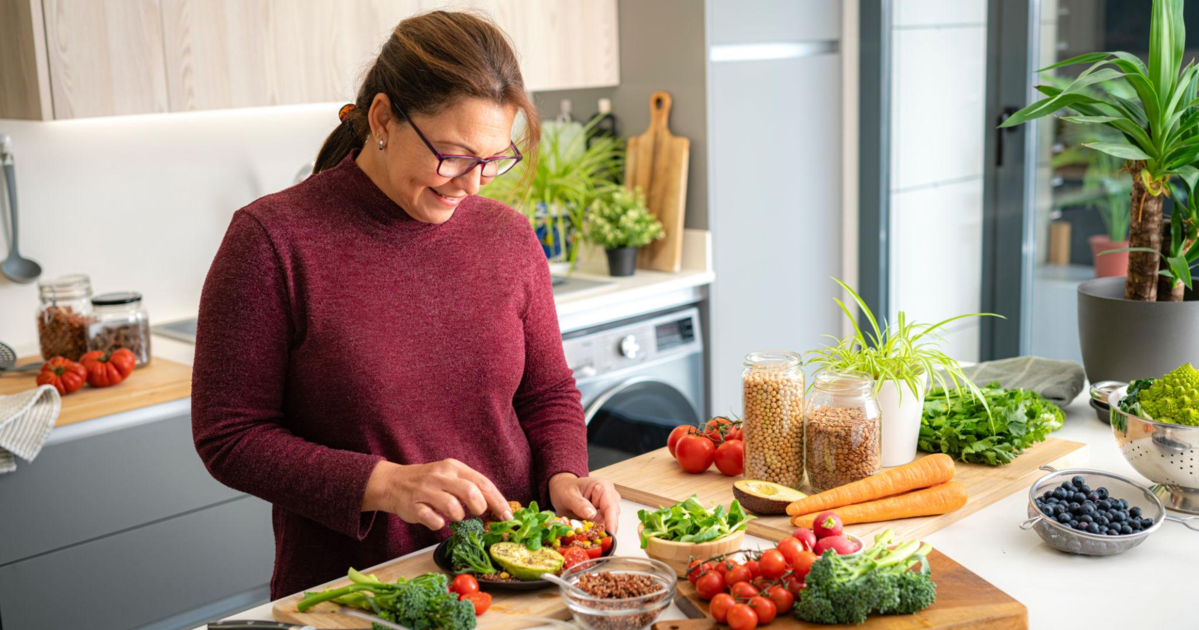
Eating the same foods every day may be convenient, but variety is an important part of a balanced diet. Different plant foods provide different nutrients, flavors, and textures. Creating a colorful plate can make meals more enjoyable while helping you include a wider range of foods. Try rotating different options throughout the week:
Fruits
- Apples
- Bananas
- Berries
- Citrus fruits
- Kiwi
Vegetables
- Leafy greens
- Broccoli
- Carrots
- Bell peppers
- Sweet potatoes
Plant-Based Protein Sources
- Lentils
- Chickpeas
- Black beans
- Tofu
- Nuts and seeds
A diverse diet is often easier to maintain because it keeps meals interesting.
Slow Down and Enjoy Your Meals
In today's busy world, many people eat quickly while working, watching television, or multitasking. However, creating a calmer eating environment can help you become more aware of your meals. Try these simple habits:
- Sit down while eating
- Chew food thoroughly
- Put your fork down between bites
- Avoid rushing through meals
- Pay attention to flavors and textures
Eating can become a mindful experience rather than just another task in your day.
Stay Hydrated Throughout the Day
Water plays an important role in many normal body processes, including digestion. Many people become busy during the day and forget to drink enough fluids. Simple hydration habits include:
- Drinking water when you wake up
- Keeping a water bottle nearby
- Drinking water with meals
- Adding fresh fruit or herbs for flavor
- Choosing water instead of sugary drinks more often
Making hydration convenient is one of the easiest ways to support healthy daily routines.
Add Fermented Foods to Your Diet
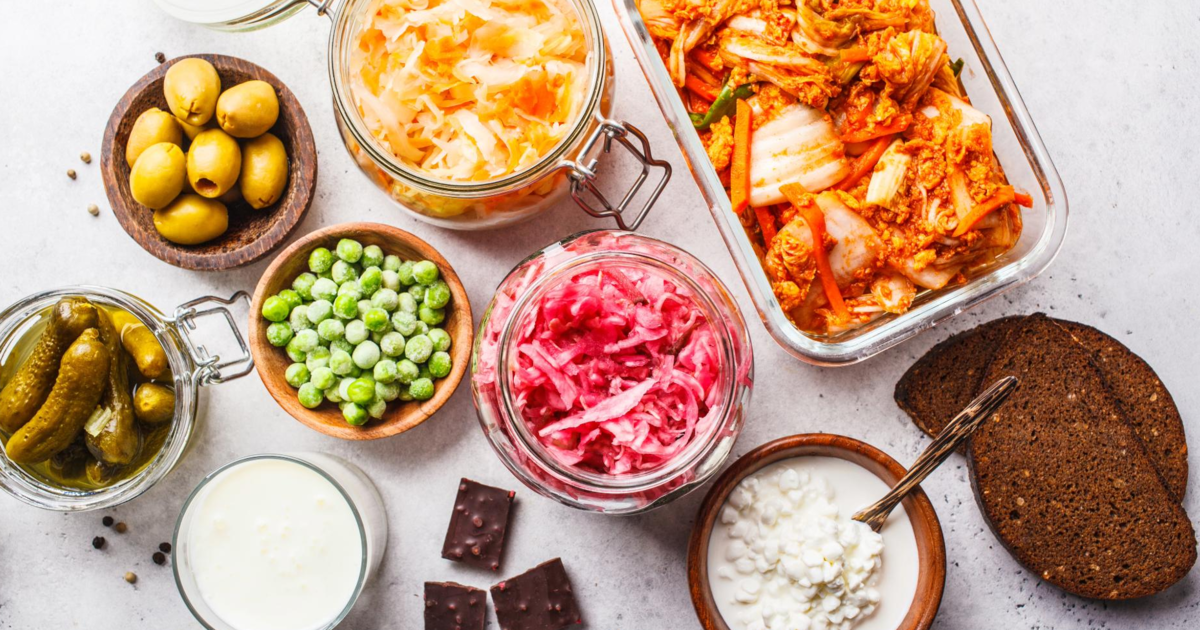
Fermented foods have been enjoyed in many cultures around the world for generations. Common fermented foods include:
- Yogurt with live cultures
- Kefir
- Sauerkraut
- Kimchi
- Miso
- Tempeh
These foods can add variety to your meals and are easy to include in everyday recipes. For example:
- Add yogurt to smoothies.
- Use kimchi as a flavorful side dish.
- Add miso to soups.
- Enjoy kefir as part of breakfast.
As with any food choice, balance and variety are key.
Create a Consistent Eating Routine
Your digestive system benefits from regular daily habits. While everyone's schedule is different, having a general meal routine can make healthy eating easier. Helpful strategies include:
- Eating meals around similar times when possible
- Preparing ingredients ahead of time
- Avoiding skipping meals regularly
- Keeping nutritious snacks available
- Planning balanced meals before you become overly hungry
A consistent routine reduces the need to make rushed food decisions.
Move Your Body Regularly
Physical activity is another important part of digestive wellness. You don't need intense workouts every day. Simple movement can easily become part of your routine. Ideas include:
- Taking a walk after meals
- Stretching in the morning
- Doing yoga
- Cycling
- Strength training
- Outdoor activities
Finding movement you enjoy makes it much easier to stay consistent.
Manage Daily Stress
Stress and digestion are closely connected because the body systems that regulate mood and digestion communicate with each other. Modern life can bring many sources of stress, including work pressure, busy schedules, and lack of rest. Simple ways to create more balance include:
- Practicing deep breathing
- Spending time outdoors
- Listening to music
- Maintaining hobbies
- Connecting with friends and family
- Taking short breaks during busy days
Supporting your overall wellness also means caring for your mental and emotional well-being.
Can Supplements Complement Digestive Wellness?
A balanced diet rich in whole foods should always be the foundation of digestive wellness. Fruits, vegetables, whole grains, and other nutrient-rich foods provide important nutrients that support a healthy lifestyle. However, busy schedules, travel, dietary preferences, and lifestyle changes can sometimes make it challenging to maintain consistent nutrition habits. Many people choose to include dietary supplements as part of their daily wellness routine to complement a balanced diet. Supplements are designed to work alongside healthy eating habits and should not replace nutritious foods or a healthy lifestyle. The best approach is to combine thoughtful nutrition choices, regular movement, hydration, quality sleep, and other daily habits that support overall wellness.
Conclusion
Digestive wellness is built through small choices repeated every day. You don't need to follow complicated food rules or make dramatic changes to support a healthier lifestyle. By adding more fiber-rich foods, eating a wider variety of plants, staying hydrated, slowing down during meals, staying active, and managing daily stress, you can create habits that support your digestive health naturally. Remember, your digestive system is part of your overall wellness journey. Taking care of it starts with simple, realistic choices that fit into your everyday life—one meal, one habit, and one day at a time.