




Healthy Aging Starts in the Kitchen: Everyday Foods That Support Lifelong Wellness
When people think about anti-aging, skincare products and beauty treatments often come to mind first. While taking care of your skin is certainly part of a healthy lifestyle, true healthy aging begins much deeper—starting with the choices you make every day, including the foods you eat. Your daily meals provide the nutrients your body uses to support normal functions throughout life. Although no single food can stop the natural aging process, building a balanced diet filled with a variety of nutrient-rich foods can help support your overall wellness as you grow older. The encouraging news is that healthy eating doesn't have to be complicated. You don't need expensive "superfoods" or restrictive diets. Instead, simple, familiar ingredients that you can find at almost any grocery store can become the foundation of lifelong healthy habits. In this article, we'll explore everyday foods that deserve a regular place on your plate and practical ways to enjoy them in real life.
Why Nutrition Plays an Important Role in Healthy Aging
As we age, our nutritional needs may gradually change. Maintaining a balanced diet becomes increasingly important for supporting an active lifestyle and overall well-being. Healthy eating is not about chasing perfection. It's about consistently choosing foods that provide a variety of vitamins, minerals, protein, fiber, and healthy fats. Rather than focusing on one "miracle" ingredient, think about building meals that include many different food groups. Variety is one of the simplest ways to create a well-rounded eating pattern.
Color Your Plate with Fruits and Vegetables
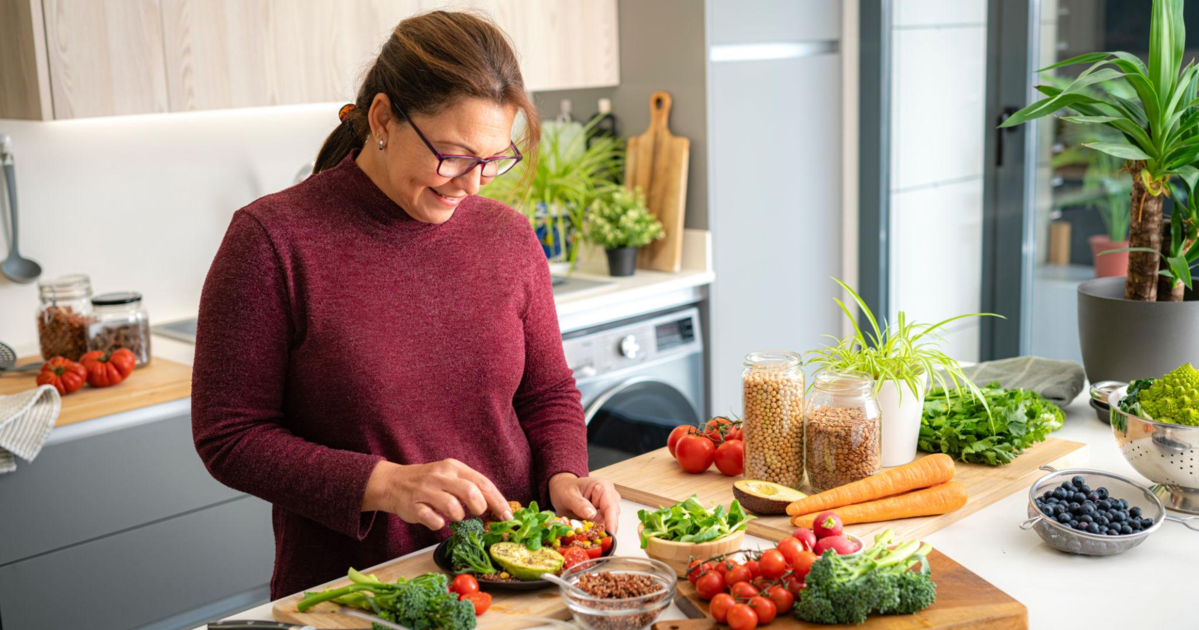
One easy habit that can make a difference over time is adding more colorful produce to your meals. Different colors often reflect different naturally occurring nutrients, so eating a wide range of fruits and vegetables helps create more variety in your diet. Consider including foods such as:
- Blueberries
- Strawberries
- Oranges
- Spinach
- Kale
- Bell peppers
- Tomatoes
- Carrots
- Broccoli
- Sweet potatoes
A practical goal is to include at least two or three different colors on your plate whenever possible.
Make Protein Part of Every Meal
Protein supports many important functions in the body and is an essential part of a balanced eating pattern throughout life. Instead of eating most of your protein at dinner, try including moderate amounts throughout the day. Great choices include:
- Eggs
- Greek yogurt
- Chicken
- Turkey
- Fish
- Tofu
- Lentils
- Chickpeas
- Cottage cheese
Building balanced meals with protein can also make them more satisfying.
Choose Healthy Fats Every Day
Healthy fats are another important part of good nutrition. Instead of avoiding fat altogether, focus on choosing foods that naturally contain beneficial fats. Some examples include:
- Avocados
- Olive oil
- Almonds
- Walnuts
- Pistachios
- Chia seeds
- Flaxseeds
- Salmon
These ingredients are easy to add to salads, grain bowls, smoothies, or snacks.
Don't Underestimate the Power of Whole Grains
Whole grains are sometimes overshadowed by trendy diets, but they remain an excellent addition to a balanced eating pattern. Consider swapping refined grains for options such as:
- Oats
- Brown rice
- Quinoa
- Whole wheat bread
- Whole grain pasta
- Barley
These simple substitutions can increase variety without dramatically changing your meals.
Build Better Breakfasts
Breakfast is a great opportunity to include several nutritious food groups at once. Instead of relying only on refined pastries or sugary cereals, consider combinations like:
- Greek yogurt with berries and walnuts
- Oatmeal topped with sliced bananas and chia seeds
- Whole-grain toast with avocado and eggs
- Cottage cheese with peaches
- A smoothie made with spinach, fruit, yogurt, and flaxseeds
A balanced breakfast can help set a positive tone for the rest of your day.
Make Healthy Eating Easier with Meal Planning
One reason many people struggle with nutrition isn't a lack of knowledge—it's a lack of time. Meal planning can simplify healthy eating without requiring hours in the kitchen. Here are a few ideas:
- Cook extra vegetables for tomorrow's lunch.
- Prepare grains in large batches.
- Grill several portions of chicken or tofu at once.
- Wash fruit immediately after grocery shopping.
- Portion nuts into small snack containers.
Small preparations during the weekend can make healthy choices much easier during busy weekdays.
Stay Consistent, Not Perfect
One of the biggest misconceptions about healthy eating is that every meal has to be perfect.
In reality, healthy aging is built through consistency rather than perfection.
If you enjoy pizza with friends or dessert during a celebration, there's no need to feel guilty. One meal doesn't define your lifestyle.
Instead, focus on the choices you make most of the time.
Building sustainable habits is far more valuable than following short-term restrictive diets.
Nutrition Is Only One Part of Healthy Aging
Food is an important part of the picture, but healthy aging also involves many other daily habits.
Support your wellness by:
- Staying physically active
- Prioritizing quality sleep
- Drinking enough water
- Managing everyday stress
- Maintaining meaningful social connections
- Spending time outdoors
These habits work together with good nutrition to create a balanced lifestyle.
Can Supplements Complement a Healthy Diet?
Whole foods should always remain the primary source of nutrition because they naturally provide a complex combination of nutrients.
However, there may be times when meeting every nutritional need through food alone becomes more challenging due to busy schedules, travel, dietary preferences, or changing nutritional requirements.
Many people choose to include dietary supplements as part of their daily wellness routine to complement healthy eating habits. Supplements are intended to provide additional nutritional support alongside—not instead of—a balanced diet and healthy lifestyle.
Choosing nutritious meals, staying active, getting adequate sleep, and practicing healthy habits remain the foundation of long-term wellness.
Conclusion
Healthy aging doesn't begin with expensive products or dramatic lifestyle changes—it begins with everyday choices made consistently over time. By filling your plate with colorful fruits and vegetables, choosing quality protein, enjoying healthy fats, including whole grains, and preparing balanced meals, you can create eating habits that support your overall wellness throughout every stage of life. Remember, there is no single "anti-aging food." Instead, lifelong health is built through a variety of nourishing foods and sustainable habits that fit naturally into your daily routine. One healthy meal may not change everything, but years of balanced choices can make a meaningful difference.