





Eating on the Go? Simple Digestive-Friendly Habits for Busy Lifestyles

Modern life rarely slows down. Between work deadlines, school schedules, family commitments, and long commutes, meals often become something we squeeze into our day rather than something we truly enjoy. Breakfast is eaten in the car, lunch is finished between meetings, and dinner sometimes happens while scrolling through emails or watching television. While these habits may seem harmless, consistently rushing through meals can make it harder to develop enjoyable eating routines. Supporting digestive wellness isn't only about what you eat—it's also about how, when, and where you eat. Small daily habits can make mealtimes more enjoyable and help you build a healthier relationship with food. In this article, we'll explore practical digestive-friendly habits that fit into even the busiest schedule, making it easier to care for your digestive system without dramatically changing your lifestyle.
Your Digestive System Appreciates Routine
Just like many parts of the body, your digestive system tends to benefit from consistency. While every day doesn't need to follow a strict schedule, creating regular eating patterns may help make meals feel more balanced and predictable. Simple ideas include:
- Eating breakfast within a reasonable time after waking.
- Scheduling regular lunch breaks whenever possible.
- Avoiding long periods without eating if they don't fit your personal routine.
- Planning meals ahead during especially busy weeks.
Consistency often makes healthy choices easier.
Slow Down—Even If You Only Have 15 Minutes
One of the easiest habits to overlook is simply slowing down during meals. When we're distracted or rushing, we may finish eating before we've had a chance to appreciate the meal. Try these simple strategies:
- Put your fork down between bites.
- Take a sip of water occasionally.
- Focus on the flavors and textures of your food.
- Avoid multitasking when possible.
- Give yourself permission to enjoy your meal.
Even adding a few extra minutes can make meals feel less rushed and more satisfying.
Pack Snacks That Travel Well
Busy schedules don't always allow for full meals exactly when we'd like. Having simple, balanced snacks available can make it easier to avoid relying entirely on vending machines or convenience foods. Portable snack ideas include:
- Fresh fruit
- Unsalted mixed nuts
- Plain yogurt
- Whole-grain crackers
- Cheese cubes
- Baby carrots
- Hummus with sliced vegetables
- Roasted chickpeas
Keeping nutritious options nearby can make healthy eating much more convenient.
Stay Hydrated Throughout the Day
Water is an important part of overall health, yet it's easy to forget to drink enough during busy workdays. Helpful reminders include:
- Carry a reusable water bottle.
- Refill it during lunch.
- Drink water during meetings or breaks.
- Add lemon, cucumber, or berries if you enjoy flavored water.
Building hydration into your daily routine is one of the simplest wellness habits you can maintain.
Include a Variety of Fiber-Rich Foods
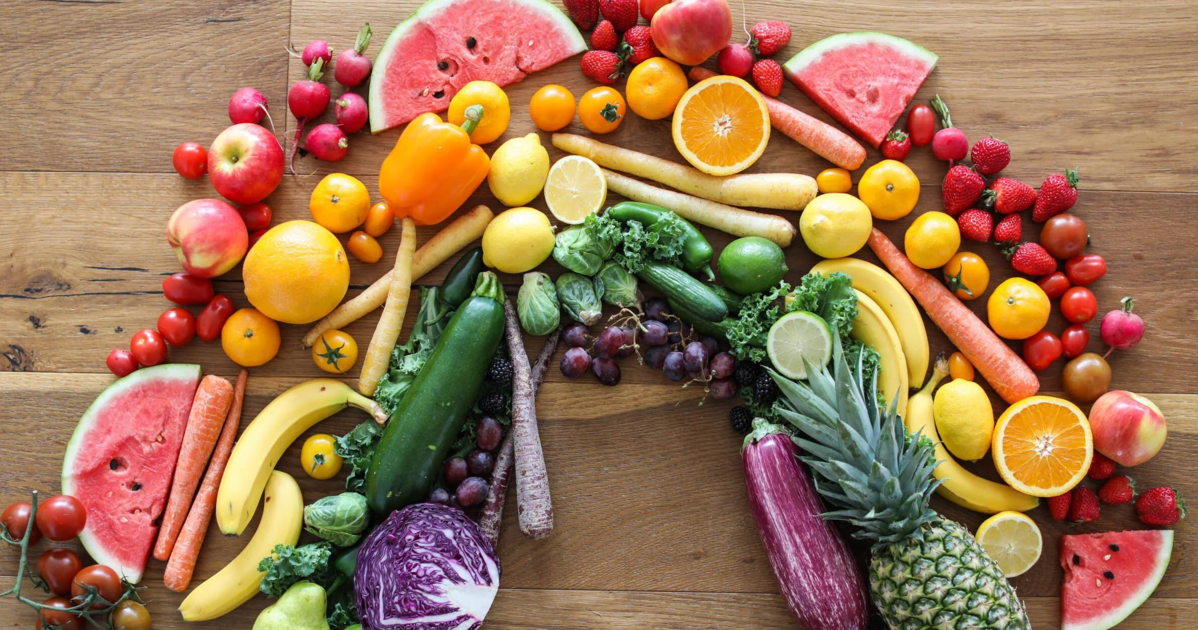
Fiber naturally occurs in many plant-based foods and plays an important role in a balanced diet. Try including a variety of fiber-rich foods throughout the week, such as:
Fruits
- Apples
- Pears
- Berries
- Oranges
Vegetables
- Broccoli
- Carrots
- Brussels sprouts
- Spinach
Whole Grains
- Oats
- Brown rice
- Whole wheat bread
- Quinoa
Legumes
- Lentils
- Black beans
- Chickpeas
Adding different sources of fiber gradually can help increase variety in your meals.
Don't Forget Movement After Meals
Exercise doesn't always have to happen at the gym. Gentle movement after eating can simply become part of your daily routine. Examples include:
- Walking around the office building.
- Taking the dog outside.
- Walking while talking on the phone.
- Light stretching after dinner.
- Gardening in the evening.
Even a short walk can provide a refreshing break from sitting for long periods.
Prepare Simple Meals Ahead of Time
Busy days often lead to last-minute food choices. Preparing meals in advance can reduce stress and make balanced eating easier. Easy meal prep ideas include:
- Overnight oats
- Grain bowls
- Mason jar salads
- Vegetable soups
- Cooked chicken with roasted vegetables
- Homemade wraps
Having ready-to-eat meals available means you're less likely to skip meals when time is limited.
Create a More Relaxing Eating Environment
Your surroundings can influence how enjoyable mealtimes feel. Whenever possible:
- Sit down while eating.
- Turn off unnecessary screens.
- Eat with family, friends, or coworkers.
- Choose a comfortable place instead of eating at your desk every day.
These simple adjustments can help transform meals into a welcome break rather than another task to complete.
Listen to Your Body
Every person is unique, and no single eating style works for everyone. Pay attention to how different habits fit into your own lifestyle. You may notice that you enjoy:
- Smaller meals more often.
- Three traditional meals each day.
- Eating breakfast earlier.
- Preparing lunches at home.
- Cooking larger dinners with family.
Finding a routine that feels realistic is often more sustainable than trying to follow trends.
Can Supplements Be Part of a Digestive Wellness Routine?
A balanced eating pattern built around whole foods remains the foundation of digestive wellness. Some people also choose to include dietary supplements as part of their daily routine, depending on their nutritional needs and lifestyle. Supplements are intended to complement a healthy diet—not replace nutritious meals or positive lifestyle habits. The strongest foundation for digestive wellness includes:
- Balanced nutrition
- Adequate hydration
- Regular physical activity
- Consistent sleep
- Stress management
- Mindful eating habits
Together, these everyday choices can help support overall well-being.
Small Changes Add Up
You don't need to completely change your eating habits overnight. Instead, choose one or two simple habits to practice this week. For example:
Monday: Bring a reusable water bottle to work.
Tuesday: Pack a piece of fruit for an afternoon snack.
Wednesday: Eat lunch away from your computer.
Thursday: Take a 10-minute walk after dinner.
Friday: Prepare breakfast the night before.
Over time, these small actions can become lasting habits that fit naturally into your daily routine.
Conclusion
Supporting digestive wellness doesn't require complicated meal plans or major lifestyle changes. In many cases, it's the small, consistent habits—like eating regular meals, staying hydrated, choosing fiber-rich foods, slowing down during meals, and preparing food ahead of time—that can make everyday life feel more balanced. Whether you're working in an office, studying at school, traveling frequently, or managing a busy household, it's possible to build digestive-friendly routines that fit your schedule. Remember, healthy habits are created one meal at a time. By making simple, realistic choices each day, you can support your overall wellness while enjoying food in a more relaxed and mindful way.