





Train Smarter, Not Longer: How Efficient Workouts Can Fit Into a Busy Life

One of the biggest misconceptions about fitness is that you need to spend hours in the gym to see meaningful progress. Social media is full of long workout routines and intense training programs, which can make exercise feel intimidating—especially for people balancing work, family, and other daily responsibilities. The reality is much more encouraging. Consistency often matters more than duration. A well-planned 20- to 30-minute workout performed regularly can be more beneficial than occasional marathon gym sessions that are difficult to maintain. Fitness isn't about finding the "perfect" workout. It's about creating a routine that fits naturally into your lifestyle. When exercise becomes realistic and enjoyable, it's much easier to stick with it over the long term. In this article, we'll explore how to make the most of your workout time, why quality often beats quantity, and practical strategies for staying active even when life gets busy.
Why Shorter Workouts Can Still Be Effective
Many people skip exercise because they believe they don't have enough time. But movement doesn't have to take over your entire day. A focused workout can help you build a consistent habit while leaving plenty of time for work, family, and other priorities. Instead of thinking, "I need an hour to exercise," try asking yourself, "What can I accomplish in the next 20 minutes?" Efficient workouts can include:
- Strength training
- Bodyweight exercises
- Brisk walking
- Cycling
- Resistance band workouts
- Circuit training
The key is choosing activities that challenge your body while matching your current fitness level. Remember, showing up consistently is often more valuable than chasing the occasional perfect workout.
Focus on Compound Movements
If you have limited time, prioritize exercises that work multiple muscle groups at once. These movements help you accomplish more in less time and can make your workouts feel more efficient. Examples include:
- Squats
- Lunges
- Push-ups
- Rows
- Deadlifts
- Overhead presses
Because these exercises involve several muscles working together, they form the foundation of many effective fitness routines. Beginners can start with bodyweight versions, while more experienced exercisers can gradually add resistance as they become stronger.
Build a Weekly Routine You Can Actually Maintain
One reason many fitness plans fail is that they are too ambitious from the start. Instead of exercising every day for long periods, consider creating a schedule that feels realistic. Here's one example:
Monday – Full-Body Strength (25–30 Minutes)
Focus on compound movements and controlled repetitions.
Tuesday – Walking or Light Cardio (20–30 Minutes)
A brisk walk around your neighborhood or local park can be an excellent way to stay active.
Wednesday – Mobility and Stretching (20 Minutes)
Gentle stretching helps maintain flexibility and can make future workouts more comfortable.
Thursday – Strength Training
Repeat another full-body session with slight variations.
Friday – Interval Cardio
Alternate between faster and slower walking, cycling, or another favorite activity.
Weekend – Active Recreation
Hiking, swimming, playing sports with family, or simply enjoying a longer walk all count as meaningful movement. The best routine is one you can continue week after week.
Don't Overlook Recovery
Progress doesn't only happen during exercise—it also happens while your body recovers. Giving yourself time to rest can help you feel ready for your next workout. Healthy recovery habits include:
- Getting enough sleep
- Staying hydrated
- Eating balanced meals
- Stretching after activity
- Taking rest days when needed
Listening to your body is an important part of building a sustainable fitness routine. Recovery isn't a sign of slowing down; it's part of moving forward.
Fuel Your Body for Movement
Exercise and nutrition work best when they support one another. Aim to include a variety of whole foods throughout the day, such as:
- Lean protein sources
- Whole grains
- Colorful fruits and vegetables
- Healthy fats
- Plenty of water
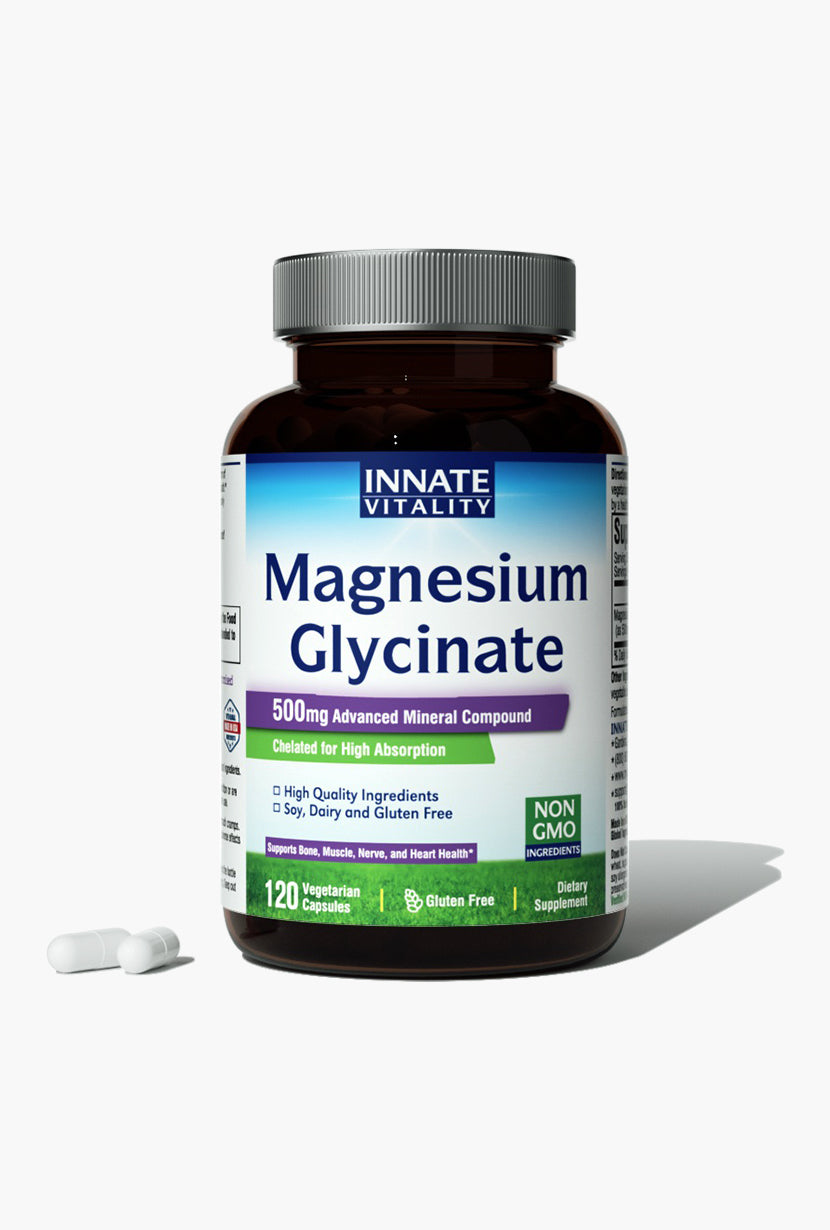
If you're exercising regularly, planning balanced meals before and after workouts can help you stay energized and ready for your next session. Many active individuals also choose to include dietary supplements as part of their overall wellness routine. Depending on personal goals and nutritional needs, supplements can be a convenient way to complement a balanced diet and support an active lifestyle. Rather than replacing healthy eating, supplements work best alongside consistent nutrition, regular exercise, and quality recovery habits.
Small Habits Lead to Big Results
Long-term fitness is built on consistency rather than intensity. Here are a few simple habits that can make staying active easier:
- Lay out your workout clothes the night before.
- Schedule exercise like any other appointment.
- Keep a resistance band or dumbbells at home.
- Take the stairs when possible.
- Walk during phone calls.
- Celebrate consistency instead of perfection.
These habits may seem small, but over time they create a lifestyle where movement becomes a natural part of your day instead of another task on your to-do list. Remember, every workout—no matter how short—is an investment in your future health.
Conclusion
You don't need endless hours in the gym to build a healthier, stronger lifestyle. Efficient workouts, realistic goals, and consistent habits often deliver better long-term results than complicated fitness plans that are difficult to maintain. By focusing on compound movements, creating a practical weekly routine, prioritizing recovery, and fueling your body with balanced nutrition, you can make meaningful progress while fitting fitness into even the busiest schedule. Combined with healthy daily habits and, when appropriate, thoughtful supplementation as part of your overall wellness routine, regular movement can help you build strength, confidence, and energy that lasts far beyond today's workout. The best fitness plan isn't the one that looks impressive on paper—it's the one you'll still be following months from now.