




Beyond Calories: Why Nutrient Density Matters More Than You Think
When people think about healthy eating, calories are often the first thing that comes to mind. Food labels, restaurant menus, and diet apps frequently highlight calorie counts, making it easy to believe that calories are the only number that matters. While calories provide energy, they tell only part of the story. Two meals with the same number of calories can offer very different nutritional value depending on the ingredients they contain. This is where the concept of nutrient density becomes important. Nutrient-dense foods provide a wide range of vitamins, minerals, protein, fiber, and other beneficial nutrients relative to the amount of energy they contain. Instead of focusing only on eating less, nutrient density encourages you to eat smarter by choosing foods that help you get more nutritional value from every bite. The good news is that building a nutrient-dense diet doesn't require expensive ingredients or complicated meal plans. Small adjustments to everyday meals can make a meaningful difference over time.
What Is Nutrient Density?
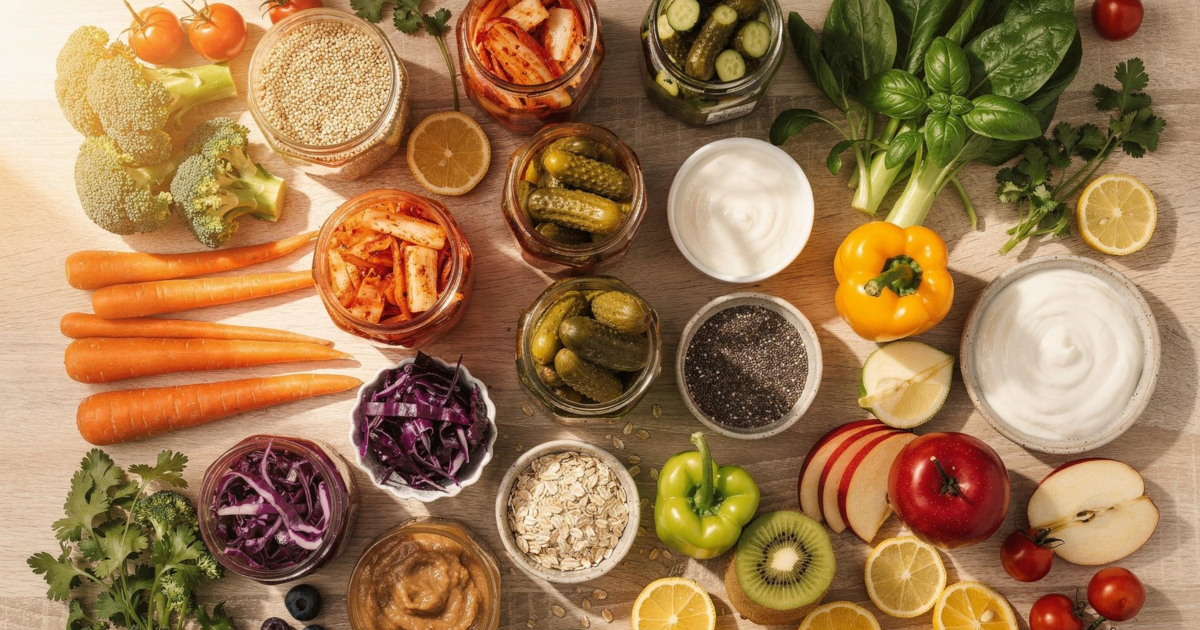
Think of nutrient density as the "nutrition per bite" of a food. Some foods provide energy but relatively few essential nutrients, while others offer a rich combination of vitamins, minerals, healthy fats, protein, and fiber in every serving. Examples of nutrient-dense foods include:
- Colorful vegetables
- Fresh fruits
- Whole grains
- Beans and lentils
- Fish and seafood
- Eggs
- Plain Greek yogurt
- Nuts and seeds
Choosing more of these foods throughout the week helps create a balanced eating pattern without making meals feel restrictive. Rather than labeling foods as "good" or "bad," nutrient density encourages variety and balance.
Simple Ways to Increase Nutrient Density Every Day
Improving your diet doesn't have to mean changing everything at once. Often, the smallest upgrades have the biggest long-term impact.
Add Instead of Subtract
Instead of thinking about what to eliminate, ask yourself what you can add. For example:
- Add spinach to scrambled eggs.
- Mix berries into oatmeal.
- Include roasted vegetables alongside dinner.
- Sprinkle seeds over yogurt or salads.
- Add beans to soups or grain bowls.
These simple additions increase both variety and nutritional value.
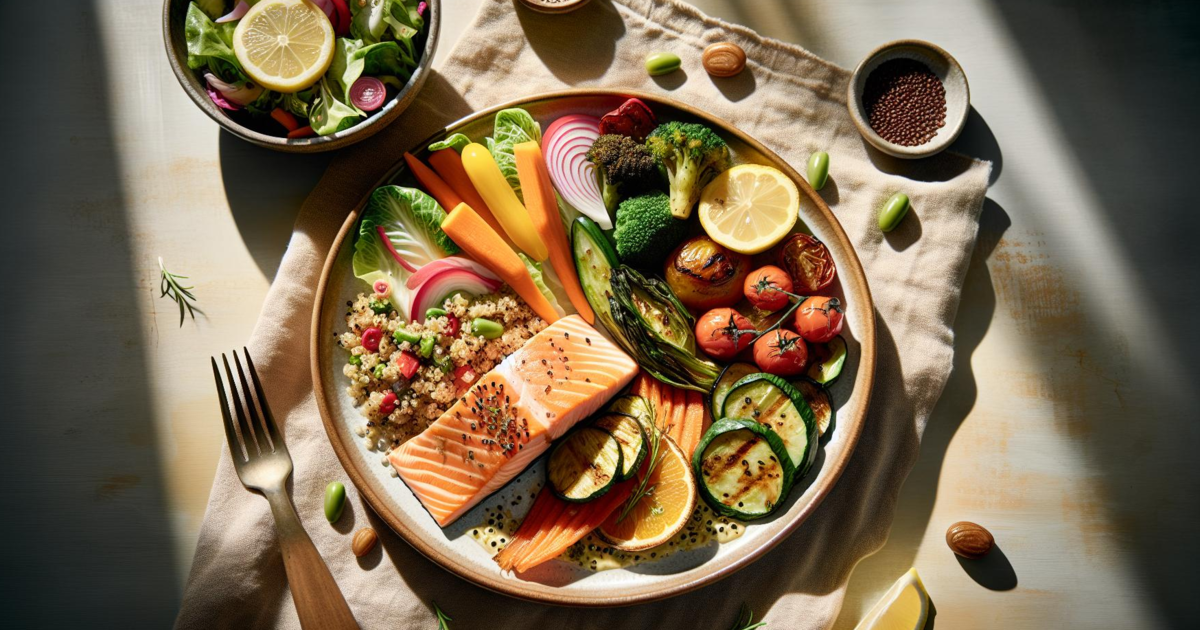
Build a Colorful Plate
Different colored fruits and vegetables contribute different nutrients and natural plant compounds. A colorful meal might include:
- Dark leafy greens
- Orange carrots
- Red bell peppers
- Purple cabbage
- Yellow corn
You don't need every color at every meal, but aiming for variety throughout the week keeps meals interesting and diverse.
Upgrade Your Snacks
Snacks can also contribute to your daily nutrition. Instead of relying on convenience foods alone, try combinations like:
- Apple slices with almond butter
- Greek yogurt with fresh fruit
- Hummus with sliced vegetables
- Mixed nuts and berries
- Cottage cheese with pineapple
These options are easy to prepare and fit well into busy schedules.
Think About Your Weekly Eating Pattern
Healthy nutrition isn't determined by a single breakfast or dinner. It's the overall pattern of your meals that matters most. Instead of striving for perfection every day, look at your week as a whole. Ask yourself questions like:
- Did I eat a variety of vegetables this week?
- Have I included different protein sources?
- Am I drinking enough water?
- Did I prepare meals at home several times?
- Have I tried any new healthy ingredients?
Looking at the bigger picture helps make healthy eating feel more achievable and less stressful. A flexible mindset also makes it easier to enjoy celebrations, restaurant meals, and favorite treats while maintaining a balanced routine overall.
Meal Planning for Better Nutrition
A little planning can make nutrient-dense eating much easier.
Here are a few practical ideas:
Keep Your Kitchen Stocked
Having nutritious staples on hand makes healthy choices more convenient. Consider keeping:
- Frozen vegetables
- Frozen berries
- Canned beans
- Whole grains
- Eggs
- Plain yogurt
- Nuts and seeds
These ingredients can be mixed and matched into countless meals.
Prepare Ingredients Ahead
After grocery shopping, spend a few minutes:
- Washing fruit
- Chopping vegetables
- Cooking grains
- Portioning snacks
Having ingredients ready often makes cooking during the week faster and less stressful.
Choose Balance Over Perfection
Every meal doesn't have to be perfectly balanced. Some meals may be lighter, while others are more filling. What matters is creating consistent habits that fit your lifestyle and are enjoyable enough to maintain.
How Supplements Can Complement a Nutrient-Dense Lifestyle
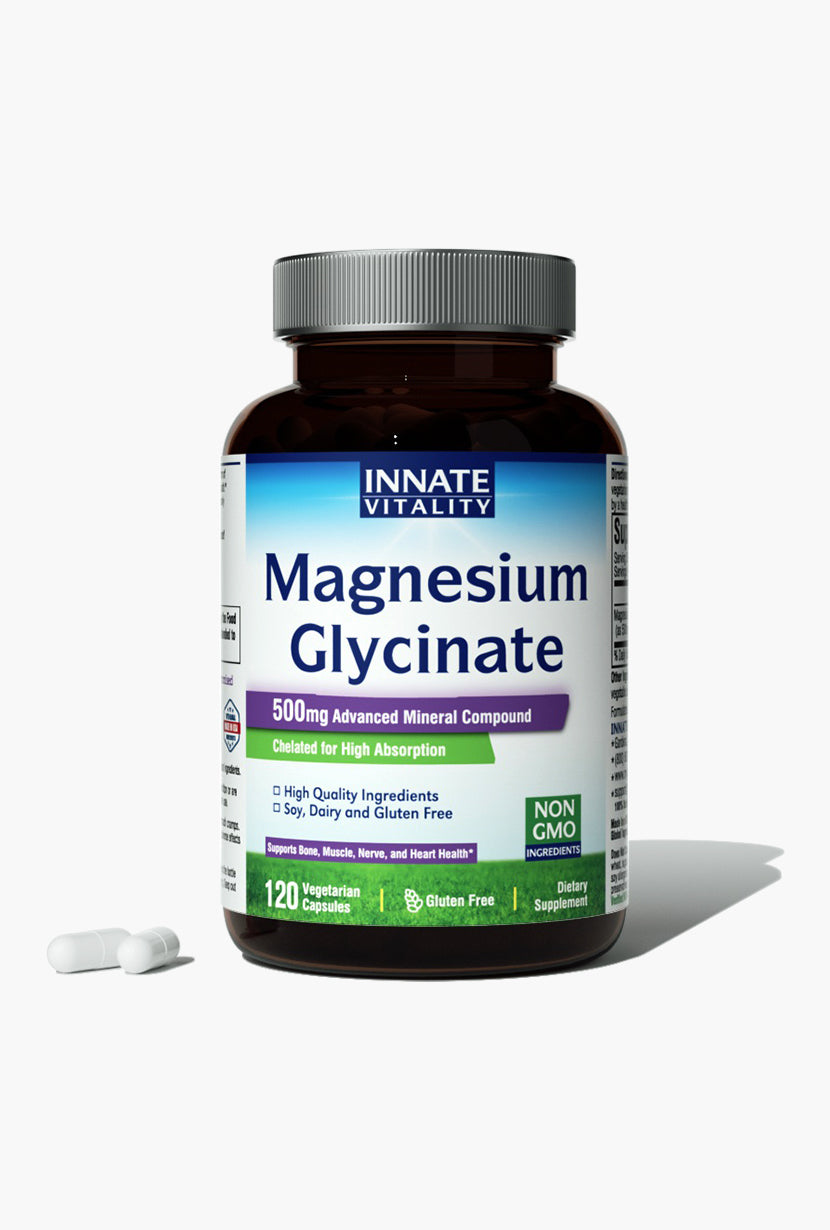
Whole foods remain the foundation of good nutrition because they provide a wide range of naturally occurring nutrients along with flavor, texture, and enjoyment. At the same time, many people choose to include dietary supplements as part of their daily wellness routine to help support their nutritional goals and complement an overall healthy lifestyle. For example, busy schedules, travel, changing seasons, or specific dietary preferences can sometimes make it more challenging to maintain consistent nutrient intake through food alone. In these situations, supplements can be a convenient addition to an already balanced diet. The most effective wellness routines often combine several healthy habits, including:
- Eating a variety of nutrient-dense foods
- Staying physically active
- Drinking enough water
- Getting quality sleep
- Managing everyday stress
- Using supplements thoughtfully as part of a consistent wellness plan
Rather than viewing nutrition and supplementation as separate approaches, many people find that they work best together as part of a long-term commitment to overall well-being.
Conclusion
Healthy eating is about much more than counting calories. By focusing on nutrient density, you can make everyday meals more nourishing, satisfying, and enjoyable without following overly complicated rules. Simple choices—like adding more colorful vegetables, choosing a variety of protein sources, planning meals ahead, and keeping wholesome ingredients within reach—can gradually shape healthier habits that last. Combined with regular physical activity, quality sleep, proper hydration, and a consistent wellness routine that may include dietary supplements, these small daily decisions can help support your overall health for years to come. Remember, nutrition isn't about perfection. It's about making thoughtful choices consistently and building a lifestyle that helps you feel your best every day.