



The Thermal Shock: How Drinking Ice-Cold Water with Hot Meals Constricts Gastric Blood Flow and Freezes Your Natural Digestive Enzymes
When we sit down at our dining tables after a long, high-velocity workspace afternoon to enjoy a fresh, steaming-hot dinner, our immediate lifestyle instinct is to pour ourselves a tall, refreshing glass of ice-cold water, sparkling soda, or chilled tea to pair with our food. We happily take alternating bites of hot food and deep gulps of iced liquid, operating under the highly comfortable assumption that this temperature contrast is the ultimate way to cleanse our palates, cool our systems, and make our heavy meals feel incredibly refreshing. Yet, a highly frustrating, silent physiological gridlock frequently stalls our digestion just thirty minutes after we clear our plates: our upper stomach feels strangely bloated and hard, a persistent wave of sluggishness forces us to struggle to keep our eyes open, and we experience a slow, burning heaviness that keeps us from easing comfortably into our evening. In mainstream health conversations, post-meal bloating and digestive stagnation are almost always blamed on food intolerances or poor gut bacteria, prompting us to try restrictive elimination diets or take expensive probiotic supplements. Modern gastrointestinal physiology reveals that the true culprit behind this heavy midday or evening backlog is often a self-induced thermal shock—specifically, the way dumping ice-cold liquids directly onto warm, semi-digested food instantly constricts the stomach’s delicate vascular networks and temporarily deactivates the very digestive enzymes required to break down our fuel.
The Vascular Freeze: How Chilled Fluids Constrict Your Gastric Circulation
To understand why pairing ice-cold drinks with hot, cooked meals paralyzes your digestive tract, we have to look closely at the mechanical role of blood flow in your upper abdomen. To successfully process a meal, your stomach requires an immense, coordinated influx of oxygen-rich blood—a natural digestive state known as hyperemia.
This rush of warm blood powers the heavy muscular contractions of your stomach walls and fuels the cells that secrete gastric acid, allowing your system to churn food into a smooth, liquid paste.
When you swallow a large gulp of ice-cold water (typically around 4°C or 40°F) alongside warm food, you introduce an abrupt, extreme temperature drop directly into this highly sensitive, warm biological chamber.
Your body immediately interprets this sudden localized freeze as an environmental survival threat, triggering an automatic, involuntary reflex known as vasoconstriction.
The microscopic blood vessels lining your stomach walls instantly shrink and tighten, drastically cutting down the flow of warm blood to your active digestive tissues.
With its primary circulation supply suddenly choked off, your stomach's muscular walls lose their physical strength and stop contracting, turning what should have been a dynamic, active churning process into a completely stagnant, stationary pool of heavy food.
The Enzyme Shutdown: Why Low Temperatures Halt Protein Breakdown
Beyond the immediate vascular freeze, dropping the temperature of your gastric chamber disrupts the delicate, temperature-sensitive chemistry of your natural digestive enzymes. Your body's primary protein-digesting enzyme, pepsin, is highly specialized and engineered to operate exclusively at your core body temperature of approximately 37°C (98.6°F).
At this optimal temperature, enzyme molecules possess the perfect amount of kinetic energy to bind to food particles and rapidly slice complex proteins into absorbable amino acids.
The moment iced liquids flood your stomach and drop its internal temperature by even a few degrees, the kinetic energy of these enzymes grinds to a temporary halt.
The enzyme molecules quite literally freeze in place, losing their physical ability to bind to and break down the proteins, fats, and starches on your plate.
Instead of being cleanly and rapidly digested, your dinner sits raw and untouched in an acidic, oxygen-deprived environment, beginning to ferment and produce excess gas.
This internal chemical backup is the exact underlying mechanism that triggers that sudden, painful upward pressure against your diaphragm, driving that familiar sensation of post-meal stomach stretching, heavy bloating, and the intense wave of physical fatigue that leaves you feeling completely drained on your couch.
3 Simple Hydration Habits to Protect Your Digestive Fire
You can easily protect your stomach’s thermal environment and maintain absolute post-meal comfort by adopting three practical, easy-to-read hydration habits:
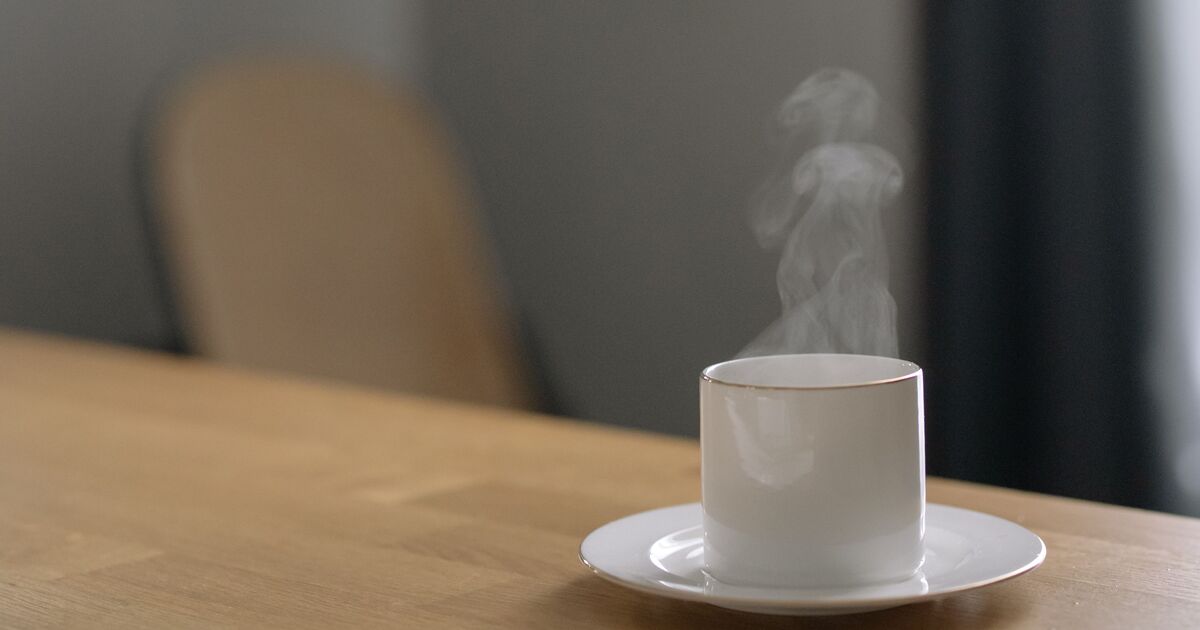
- The Ambient Temperature Buffer: Make a conscious rule to keep all liquids served at your dining table at a comfortable room temperature or slightly warm. Swapping out iced water for warm water or a light, warm herbal broth instantly preserves your stomach's natural 37°C (98.6°F) operating climate, allowing digestion to proceed with absolute speed and lightness.
- The 30-Minute Pre-Meal Hydration Window: Satisfy your body's cellular hydration needs before you sit down to eat. Drink a large, refreshing glass of water thirty minutes before your meal, which fully primes your vascular system and salivary glands without diluting your gastric juices or shocking your stomach temperature while you chew.
- The Warm Ginger or Fennel Finish: If you crave a comforting liquid to sip during or immediately after a heavy dinner, brew a small cup of warm, non-caffeinated ginger or fennel tea. The natural warming compounds in ginger actively stimulate local gastric circulation, offsetting any minor temperature drops and helping your stomach muscles churn food effortlessly.
The Thermally Balanced Gut Grid
Ultimately, achieving an exceptional lifestyle of gut comfort, vibrant daytime stamina, and flat-bellied lightness doesn't require you to follow hyper-complicated diet rules or completely abandon the foods you love to cook. Your body is a highly advanced, beautifully self-regulating ecosystem that operates at its absolute peak of efficiency when its basic mechanical and thermal requirements are respected during your daily routine. When you use your kitchen and dining habits to consciously protect your stomach from sudden, cold thermal shocks, you permanently step out of the exhausting cycle of post-meal heaviness, unexplainable brain fog, and chronic bloating. Your digestive system transitions into a smooth, silent, and weightless operation, your body absorbs its daily fuel with absolute ease, and your entire lifestyle aligns with a sustainable, happy foundation of uncompromised well-being.
Conclusion
True digestive luxury is about understanding how the simple physical states of temperature and circulation dictate how our inner organs process daily fuel. By understanding the practical science of thermal vasoconstriction and actively safeguarding your stomach from the sudden freeze of iced drinks during hot meals, you give your body the perfect biological environment to digest food silently and effortlessly. You do not need a complicated or expensive wellness protocol to enjoy incredible, lightweight physical energy and total abdominal freedom. Give your system the simple gift of warm or ambient fluids during your dinner tomorrow evening, trust the magnificent self-healing intelligence of your resting biology, and discover the beautiful, level clarity that returns when your routine perfectly mirrors your anatomy.