Choosing between Pilates or strength training can be a challenging decision, especially with the abundance of fitness options available today. Both forms of exercise offer unique benefits that contribute to building a stronger, healthier body. Whether you're aiming to improve core stability, build muscle, increase flexibility, or enhance overall well-being, understanding how Pilates and strength training compare—and how they can complement each other—will empower you to create a balanced and effective fitness routine.
Pilates is a low-impact exercise method developed by Joseph Pilates in the early 20th century. It emphasizes controlled movements, breath control, and core engagement to improve posture, flexibility, and balance. Pilates workouts can be performed on a mat or specialized equipment like reformers, focusing on precision and flow.
Key benefits of Pilates include:
- Enhanced core strength and spinal stability
- Improved flexibility and joint mobility
- Better posture and body alignment
- Increased mind-body connection and stress reduction
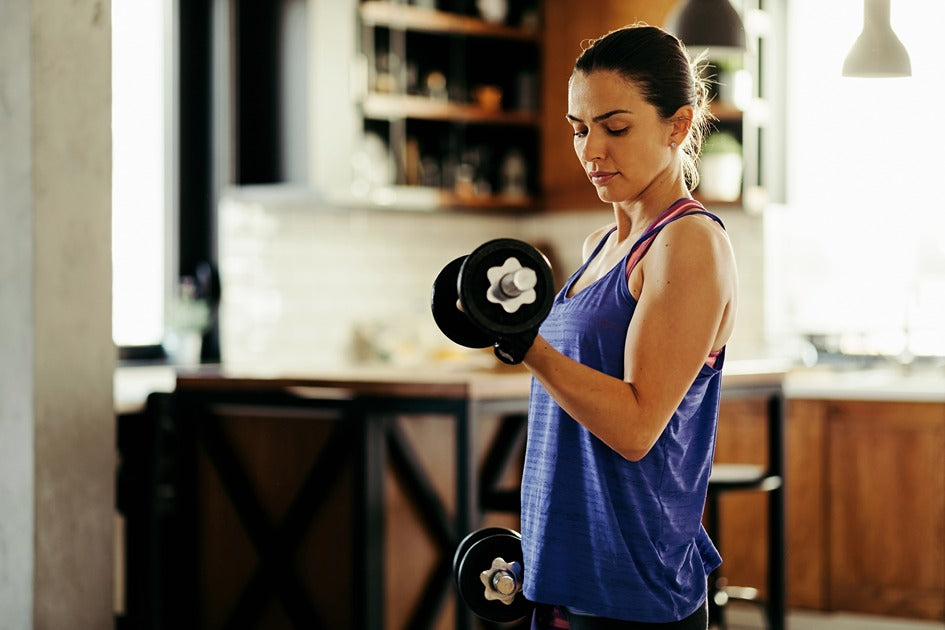
Strength training, also known as resistance training, involves working muscles against resistance such as free weights, machines, resistance bands, or bodyweight. It is designed to increase muscle mass, strength, and endurance through progressive overload—gradually increasing the resistance or intensity over time.
Benefits of strength training include:
- Increased muscle mass and strength
- Improved bone density and reduced osteoporosis risk
- Enhanced metabolism and weight management
- Better functional fitness for daily activities
If your primary goal is to build muscle and increase strength, strength training is the superior choice. According to recent studies, strength training allows for precise control over resistance, volume, and progression, which are essential for hypertrophy (muscle growth). Progressive overload triggers muscle adaptation and increases bone density, crucial for long-term health.
Pilates can improve muscular endurance and core strength, especially for beginners or those returning from inactivity, but it lacks the mechanical overload needed for significant hypertrophy.
Pilates excels in core activation and spinal alignment. Research confirms that Pilates specifically targets deep stabilizing muscles like the transverse abdominis and multifidus, which are often under-activated in people with chronic back pain. This makes Pilates highly effective for improving posture, reducing back pain, and enhancing body awareness.
Strength training also strengthens core muscles, but it tends to focus more on superficial muscles rather than deep spinal stabilizers.
Flexibility and controlled movement are central to Pilates. Its exercises improve joint range of motion and muscle elasticity, which can counteract the tightness sometimes caused by traditional strength training.
While strength training can improve mobility when performed with full range of motion exercises (e.g., deep squats, lunges), Pilates offers a more targeted approach to flexibility and movement quality.
Neither Pilates nor strength training directly causes fat loss; this depends largely on nutrition and overall energy balance. However, strength training has a metabolic advantage by increasing lean muscle mass, which elevates resting metabolic rate and aids fat loss over time.
Pilates contributes to muscle endurance and improves movement quality, supporting a physically active lifestyle but with a lower calorie burn compared to strength training.
Many fitness experts recommend integrating Pilates and strength training to create a comprehensive program that maximizes benefits.
How to structure a combined program:
-
Frequency:
- 2-3 Pilates sessions per week
- 2-3 strength training sessions per week
- Include rest or active recovery days
-
Session Example:
- Warm-up: 5-10 minutes of light cardio or dynamic stretching
- Pilates core work: 10-15 minutes
- Strength training (upper or lower body focus): 20-30 minutes
- Pilates flexibility and cool-down: 10 minutes
-
Prioritize Proper Form: Correct technique in both Pilates and strength training reduces injury risk and maximizes effectiveness.
-
Listen to Your Body: Modify exercises if you experience pain beyond normal muscle soreness.
-
Stay Hydrated: Proper hydration supports performance and recovery.
-
Seek Professional Guidance: Certified Pilates instructors and personal trainers can tailor programs to your needs.
-
Set Realistic Goals: Track progress in strength, flexibility, or posture to stay motivated.
Q: Can Pilates replace strength training?
A: Pilates alone is unlikely to produce significant muscle hypertrophy or bone density improvements. It’s best used as a complement to strength training, especially for core stability and flexibility.
Q: How often should I do Pilates if I’m also strength training?
A: Aim for 2-3 Pilates sessions per week alongside your strength workouts to balance mobility and strength gains.
Q: Is Pilates good for back pain?
A: Yes, Pilates has been shown to reduce pain and improve function in people with nonspecific low back pain by strengthening deep core muscles.
Q: Will lifting weights make me bulky?
A: No. Building large muscles requires specific training, nutrition, and genetics. Strength training generally helps you become toned and strong without excessive bulk.
Deciding between Pilates or strength training depends on your personal fitness goals. For muscle building, strength, and bone health, strength training is essential. For improved flexibility, core stability, posture, and rehabilitation, Pilates is invaluable. However, the most effective approach for long-term fitness and health is a balanced program that combines both. This synergy enhances strength, flexibility, balance, and body awareness, promoting a resilient and functional physique.
Start by evaluating your goals, try incorporating both modalities into your weekly routine, and enjoy the transformative benefits of this powerful fitness combination. Whether you’re a beginner or an experienced athlete, Pilates and strength training together can help you achieve a stronger, healthier, and more balanced body.