






The Sanctuary Effect: How to Re-Engineer Your Home for Biological Calm
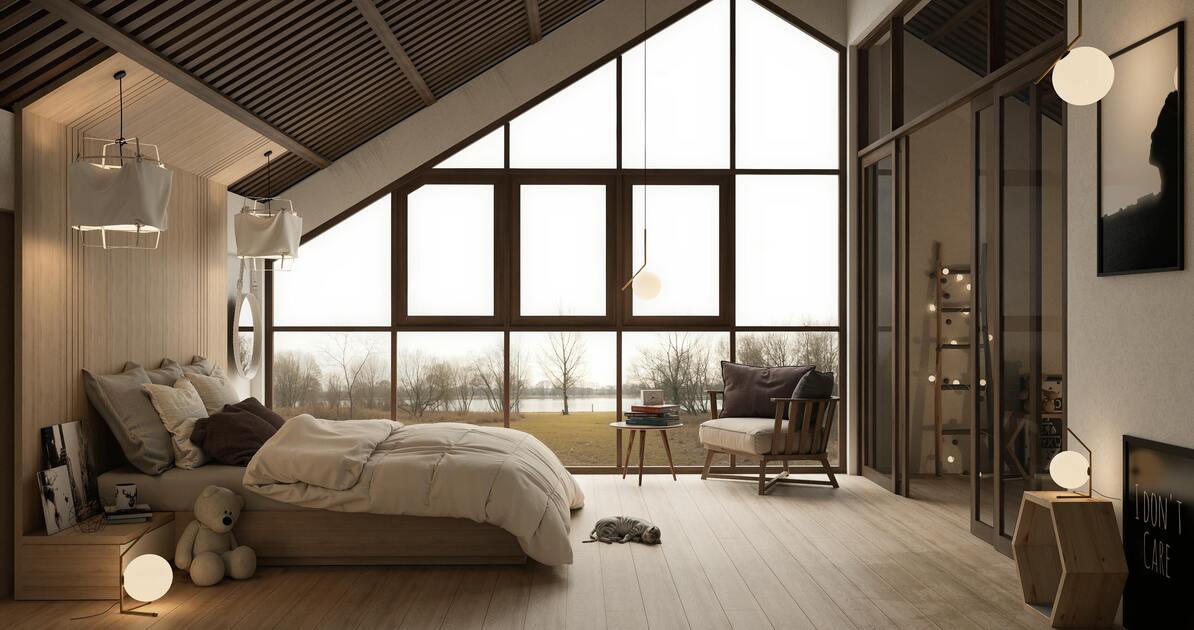
Our modern homes are often designed for convenience and aesthetics, but rarely for our biology. We live in boxes with right angles, synthetic materials, and artificial light—environments that are fundamentally "alien" to our evolutionary history. This mismatch creates a low-level, persistent stress response that many of us have simply accepted as normal. Biophilic Design is the practice of re-integrating nature into our living spaces. It isn't just about "decorating"; it is about creating a habitat that signals safety and recovery to your nervous system. By making a few strategic shifts, you can turn your home from a source of sensory overload into a sanctuary of biological calm.
The Power of "Non-Rhythmic" Sensory Stimuli
In nature, nothing is perfectly still or perfectly predictable. The slight rustle of leaves, the shifting patterns of sunlight, or the sound of water provide what scientists call "non-rhythmic sensory stimuli."
These subtle movements keep our peripheral attention engaged without taxing our conscious focus. This creates a state of "Soft Fascination," which allows the brain to recover from the intense "Directed Attention" required by our screens and work.
- The Shift: Use sheer curtains to let shadows dance on the walls, or introduce a small water feature. These natural "distractions" actually help your brain clear its cognitive load.
Fractal Geometry and Visual Complexity
Nature is built on Fractals—self-repeating patterns found in everything from ferns to coastlines. Our brains are highly efficient at processing these patterns, and doing so has been shown to reduce stress levels by up to 60%.
Modern architecture, with its flat surfaces and sharp corners, lacks this complexity, forcing the brain to work harder to interpret the space.
- The Shift: Introduce natural textures like unpolished wood, stone, or woven fibers. These materials contain the organic "imperfections" and complexity that our eyes find inherently soothing.
Circadian Lighting: Syncing with the Sun
Light is the primary "Zeitgeber" (time-giver) for your body’s internal clock. Exposure to blue-heavy artificial light after sunset disrupts your production of melatonin and keeps your cortisol levels artificially high.
- The Shift: Use "layered lighting." During the day, maximize natural light. In the evening, switch to low-level, warm-toned lamps (mimicking the glow of a sunset or fire). This shift signals to your brain that the "active" phase of the day is over, allowing your body to begin its nightly repair cycle.
The Elemental Foundation: Minerals and Grounding
A truly biophilic lifestyle recognizes that we are part of the earth’s ecosystem. In an indoor world, we are often "insulated" from the trace elements that regulated our ancestors' health.
- The Internal Environment: While you can bring plants and light into your room, you must also ensure your internal chemistry is balanced. Chronic stress from poorly designed environments depletes your Magnesium and Zinc reserves.
- The Logic: Supplementing with high-quality, bioavailable minerals acts as an internal "grounding" mechanism. It provides the chemical stability your nervous system needs to stay calm, even when you can’t be outdoors.
Conclusion
Your home should be more than just a place to store your belongings; it should be a tool for your health. By embracing biophilic design, you are moving away from a lifestyle of "surviving" your environment and toward one of thriving within it. When you align your physical space with your biological needs, you unlock a deeper level of peace and productivity. Start small—a single plant, a change in lighting—and watch how your body responds to the call of the wild.