




Deep Hydration: Why Drinking Water Isn't Enough for Cellular Energy
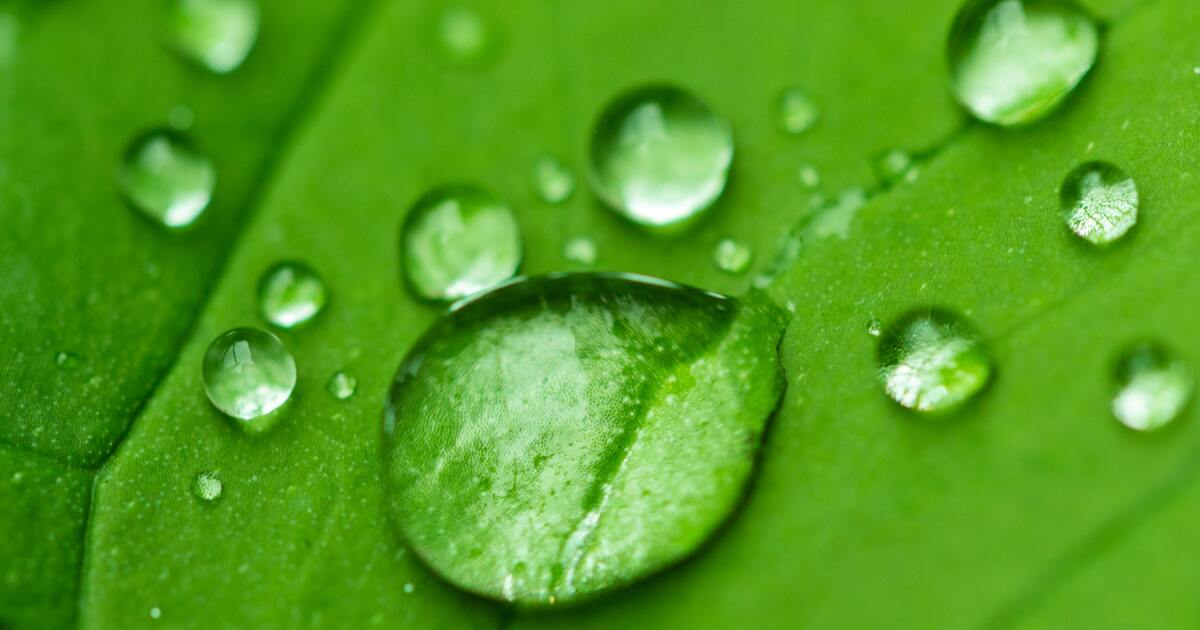
We are often told that the solution to fatigue, brain fog, and dry skin is simply to "drink more water." We carry around gallon jugs and track our intake with apps, yet many of us still feel chronically dehydrated. This is because hydration isn't just about how much liquid you swallow; it’s about how much water actually reaches the inside of your cells. This is the difference between Bulk Water and Biological Hydration. If water just sits in your extracellular space, it can actually lead to puffiness and mineral depletion. To truly hydrate, you need to master the chemistry that pulls water through the cellular membrane.
The Mineral "Pump"
Every cell in your body has a "sodium-potassium pump." This is a biological mechanism that regulates the flow of electrical charges and fluids in and out of the cell. Without the right balance of electrolytes—specifically Potassium, Sodium, and Magnesium—water cannot effectively enter the cell to perform its vital functions.
Think of minerals as the "conductors" of hydration. If you drink large amounts of plain, filtered water without these minerals, you can accidentally "flush" your system, diluting your electrolyte levels and making you feel more tired than before.
"Eating" Your Water: The Structured H2O Secret
Nature rarely provides water in its "pure" liquid form. In fruits and vegetables, water is "structured"—it is bound to fiber and packed with phytonutrients and minerals. This type of water, sometimes called Gel Water, is absorbed more slowly and stays in your system longer than tap water.
When you eat a cucumber, a piece of melon, or a stalk of celery, you aren't just getting liquid; you are getting a biological delivery system that ensures the water is escorted directly to your tissues. This is why a plant-focused diet is inherently more hydrating than a diet reliant on processed foods and plain water.
Magnesium: The Hydration Stabilizer
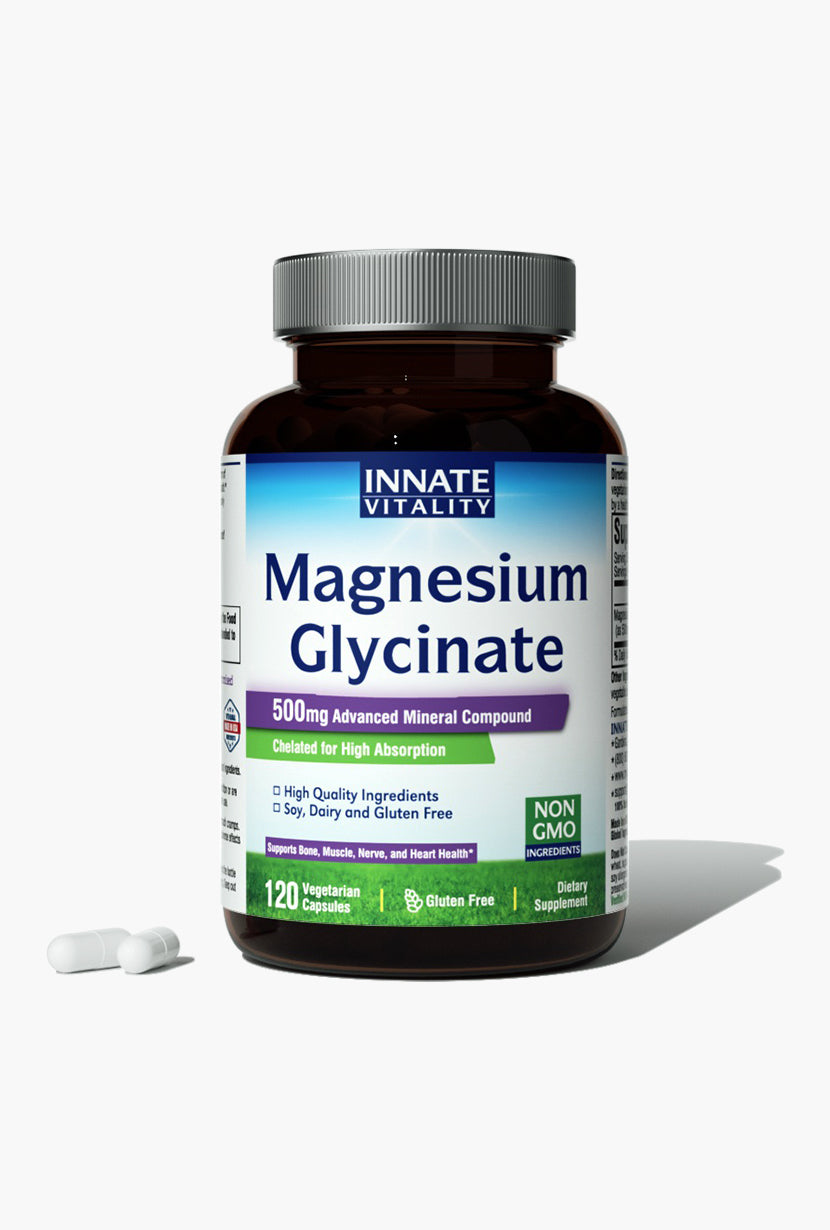
Magnesium plays a unique role in how your body manages fluids. It helps regulate the "osmotic pressure" within your cells. When you are under stress, your body "burns" through Magnesium, which can lead to a loss of intracellular water.
This is why "stress-thirst" is a real phenomenon. By maintaining high levels of bioavailable Magnesium, you give your cells the stability they need to hold onto water, ensuring that your "internal batteries" stay charged throughout the day.
How to Optimize Your Hydration Strategy
To move from "washing" your system to truly "nourishing" it, try these subtle shifts:
- Add a Mineral Pinch: Add a tiny pinch of high-quality sea salt or a few drops of trace mineral complex to your water. This "structures" the water for better absorption.
- Hydrate Before You Caffeinate: Coffee is a diuretic that can signal the body to release stored water. Drinking a glass of mineral-rich water before your morning coffee helps protect your hydration baseline.
- Focus on Fiber: Fiber acts as a sponge in the digestive tract, holding onto water and releasing it slowly as you digest, providing a steady stream of hydration to your bloodstream.
Conclusion
Hydration is a foundational pillar of nutrition, but it is a chemical process, not just a volume game. When you focus on intracellular hydration through mineral balance and whole-food sources, you unlock a new level of energy and mental clarity. Stop just "flushing" your system and start feeding your cells the liquid environment they need to thrive.