






The Eco-Minimalist Blueprint: Living with 100% Plant-Based Intentionality
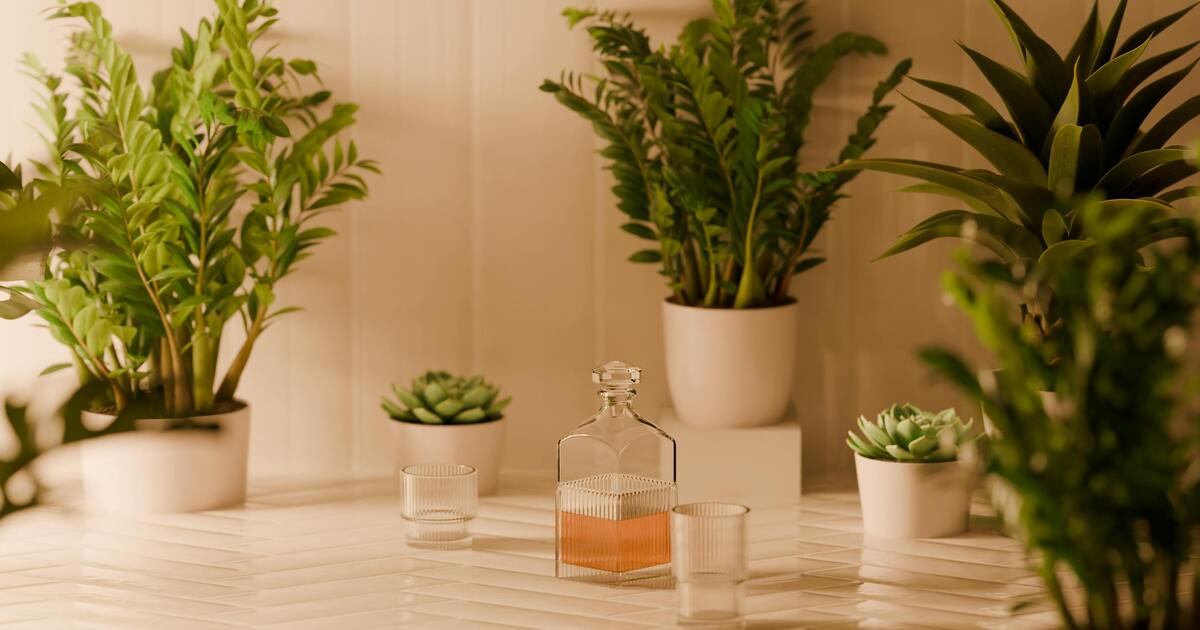
For many, health is often viewed as an internal metric—what we eat and how we move. However, for the Eco-Conscious Minimalist, health is an integrated relationship between our personal biology and the environment we inhabit. This lifestyle moves beyond simple "sustainability" and toward a proactive reduction of synthetic exposure. The core of this lifestyle is the "Source First" principle: ensuring that every item that touches our skin or enters our home is derived from the earth and can return to the earth without leaving a trace. By choosing 100% plant-based, plastic-free materials, we lower our body's cumulative toxic burden and support a planet that is increasingly overwhelmed by synthetic waste.
The Pure Hygiene Standard
The most intimate contact we have with our environment is through our hygiene products. An eco-minimalist lifestyle scrutinizes these daily inputs to ensure they meet a standard of total purity.
- Plastic-Free Foundations: This lifestyle prioritizes products made from 100% plant-based materials, such as Viscose or organic cotton, to ensure no microplastics or synthetic fibers are left behind on the skin.
- Biodegradable Integrity: Choosing 100% biodegradable and compostable options ensures that our personal care routines do not contribute to long-term landfill waste.
- Ingredient Exclusion: A strict commitment to excluding PEGs, SLS, and synthetic fragrances prevents common endocrine disruptors from entering the home.
Mindful Materialism
An eco-minimalist lifestyle is defined by "fewer, better things." Instead of consuming a high volume of low-quality goods, the focus shifts to durable, natural materials that improve with age.
- Natural Fibers: From clothing to bedding, the preference is for linen, hemp, and organic cotton, which allow the skin to breathe and regulate temperature naturally.
- Circular Consumption: Every purchase is made with the end of the product's life in mind. If it cannot be recycled, repurposed, or composted, it does not enter the home.
- Minimalist Functionality: Consolidating multiple synthetic products into a few high-quality, multi-purpose plant-based alternatives reduces clutter and chemical complexity in the living space.
The Mineral-Rich Hydration Ritual
True sustainability includes the sustainability of our internal electrical environment. For the eco-minimalist, water is more than just hydration; it is a delivery system for vital elements.
- Trace Mineral Replenishment: Because modern filtration often strips water of its natural essence, replenishing it with bioavailable trace minerals like magnesium and zinc is essential for cellular communication.
- Glass and Steel over Plastic: Eliminating single-use plastics and even BPA-free plastic containers prevents the leaching of chemical stabilizers into our water supply.
Grounding and Digital Detox
Part of a low-impact lifestyle is reconnecting with the natural rhythms of the earth.
- Earth Grounding: Spending time walking barefoot on natural surfaces helps neutralize the static electrical buildup from modern electronic environments.
- Sunlight Synchronization: Prioritizing natural light exposure in the morning and reducing artificial blue light at night respects the biological "clock" of the body, leading to deeper, more restorative sleep.
Conclusion
The Eco-Conscious Minimalist lifestyle is a powerful statement of autonomy. By choosing 100% plant-based materials and rejecting the "disposable culture" of synthetics, you are protecting both your personal biology and the global ecology. When we simplify our external environment, we create the space for our internal health to flourish. Living with less isn't about sacrifice; it's about making room for what truly matters.