




Stay Curious, Stay Engaged: How Everyday Learning Can Support Healthy Aging
When people hear the phrase "anti-aging," they often think about appearance—fine lines, skincare routines, or ways to maintain youthful-looking skin. But aging well is about much more than how we look. As the years go by, maintaining a sense of curiosity, purpose, connection, and enjoyment can be just as important as taking care of your physical health. Learning something new, developing a hobby, exploring a different place, or simply finding new ways to challenge yourself can keep everyday life interesting and meaningful. The good news is that you don't need to become an expert at something new. You don't even need to choose a particularly difficult activity. The simple act of staying curious and giving yourself opportunities to learn can become a rewarding part of a healthy lifestyle. Healthy aging isn't about trying to become the person you were twenty years ago. It's about continuing to grow, adapt, and enjoy the stage of life you're in. Let's explore how curiosity, hobbies, and lifelong learning can become simple but meaningful parts of aging well.
Why Staying Curious Matters as We Age
Our routines naturally become more familiar over time. We know which grocery store we like, which route we take to work, what we usually order at a restaurant, and how we spend our weekends. Familiar routines can be comfortable, but too much repetition can also make life feel predictable. Introducing something new creates opportunities to stay engaged with the world around you. That doesn't mean you need to make major changes. Try something as simple as:
- Cooking a recipe from a different culture.
- Learning a few phrases in another language.
- Trying watercolor painting.
- Growing herbs on your balcony.
- Learning to play a musical instrument.
- Taking a photography walk.
- Reading about a subject you've never explored.
- Joining a local class or community group.
The goal isn't achievement. It's participation. When you're learning something new, you're giving yourself a reason to pay attention, experiment, make mistakes, and try again. That sense of discovery can make everyday life feel more stimulating and rewarding.
Turn Hobbies Into Healthy Daily Rituals
A hobby doesn't have to become another item on your to-do list. In fact, the best hobbies are often the ones you genuinely look forward to.
Choose Something You Enjoy
Don't choose an activity simply because it's considered "good for you." If you dislike running, you don't have to become a runner. If traditional workouts aren't enjoyable, try gardening, dancing, swimming, hiking, or another activity that naturally gets you moving. The same principle applies to mental hobbies. If crossword puzzles aren't your thing, try reading, photography, cooking, crafts, music, or learning a new skill. Enjoyment makes consistency much easier.
Start Small
A common mistake is trying to learn everything at once. Instead, give yourself just 15–30 minutes. You could:
- Practice guitar for 15 minutes.
- Read one chapter of a book.
- Try one new recipe.
- Spend 20 minutes gardening.
- Take a short photography walk.
Small sessions are easier to fit into busy schedules and can gradually become meaningful routines.
Let Yourself Be a Beginner
One of the most enjoyable parts of learning something new is realizing that you don't have to be good at it immediately. Your first painting may not look like the one you imagined. Your first attempt at a new recipe may need some adjustment. Your first yoga session may feel unfamiliar. That's completely normal. Learning isn't about proving what you already know. It's about giving yourself permission to explore.
Combine Learning, Movement, and Connection
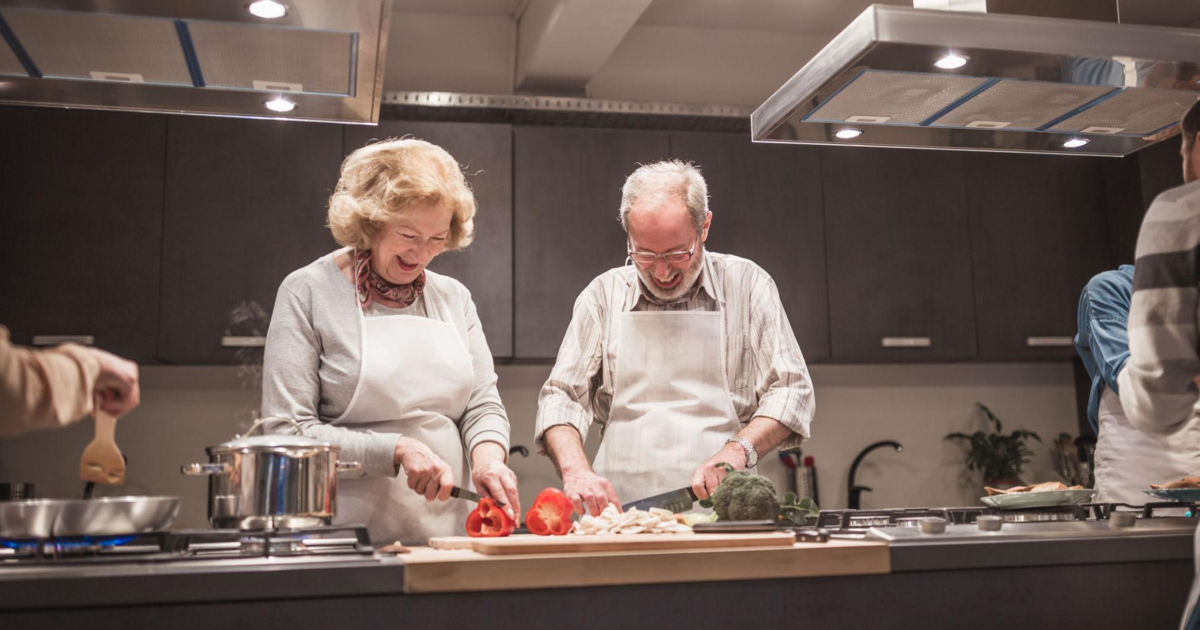
Some hobbies can support several areas of a healthy lifestyle at the same time. For example, joining a gardening group combines learning with outdoor activity and social connection. Taking a cooking class can introduce new foods while giving you an opportunity to meet other people. Joining a walking group can turn regular movement into a social activity. Even something as simple as exploring a new neighborhood with a friend can provide a change of scenery, gentle activity, and meaningful conversation. These combinations can make healthy habits feel less like obligations and more like enjoyable parts of everyday life. And social connection deserves a place in any conversation about healthy aging. Spending time with friends, family, neighbors, or community groups can add a sense of belonging and purpose to daily life. You don't need a packed social calendar. A weekly coffee with a friend, a shared hobby, or a regular family dinner can be enough to create meaningful connections.
Build a Wellness Routine That Grows With You
Healthy aging is rarely the result of one habit. Instead, it's supported by a collection of everyday choices that work together. Nutritious meals provide the foundation for a balanced diet. Regular physical activity helps keep movement part of your routine. Quality sleep gives you time to rest and recharge. Staying hydrated and managing everyday stress also contribute to an overall sense of well-being. Many people also choose to include dietary supplements as part of their daily wellness routine. Supplements can be a convenient way to complement a balanced diet and help support individual nutritional goals, particularly as personal needs and routines change over time. The important thing is to view supplementation as one piece of a much bigger picture. You might start your morning with a balanced breakfast and your usual wellness routine, spend some time moving during the day, enjoy a hobby in the evening, and make time for friends or family during the week. None of these habits needs to be extreme. Together, however, they can create a lifestyle that supports healthy aging in a practical and enjoyable way.
Conclusion
Aging well isn't simply about looking younger. It's about continuing to participate in life with curiosity, energy, and a willingness to experience something new. Learning a skill, discovering a hobby, exploring a new place, cooking an unfamiliar recipe, or connecting with people who share your interests can all add richness to everyday life. Combined with balanced nutrition, regular movement, quality sleep, hydration, social connection, and a thoughtful wellness routine that may include dietary supplements, these small choices can become part of a sustainable approach to healthy aging. You don't have to completely reinvent yourself to keep growing. Sometimes, healthy aging begins with something as simple as asking yourself: "What would I like to learn next?" Then give yourself the opportunity to find out.