





Functional Fitness: Everyday Exercises That Make Daily Life Easier
When many people think about fitness, they picture lifting heavy weights, running marathons, or spending hours in the gym. While those activities can certainly be part of an active lifestyle, fitness isn't only about athletic performance—it's also about moving well in everyday life. Think about how often you bend down to pick something up, carry grocery bags, climb stairs, lift a suitcase, play with your children, or spend hours sitting at a desk before standing up again. These ordinary movements require strength, balance, flexibility, coordination, and endurance. This is where functional fitness comes in. Functional fitness focuses on exercises that mimic the movements you perform in daily life, helping you move with greater confidence and comfort. The best part? You don't need expensive equipment or advanced training experience to get started. In this article, we'll explore what functional fitness is, simple exercises you can do at home, and how combining regular movement with good nutrition and healthy recovery habits can support long-term wellness.
Why Functional Fitness Matters
Unlike workouts that isolate a single muscle group, functional exercises often involve multiple joints and muscle groups working together. These movements can help support everyday activities such as:
- Carrying shopping bags
- Climbing stairs
- Getting up from the floor
- Reaching overhead shelves
- Lifting boxes
- Walking longer distances
- Playing with children or pets
- Gardening and household chores
The goal isn't to become stronger for the gym alone—it's to make everyday tasks feel easier and more comfortable. Functional fitness is also adaptable. Whether you're in your twenties or your seventies, many of these movements can be modified to suit your current fitness level.
Five Simple Functional Exercises to Try
The following exercises require little or no equipment and can be performed at home.
1. Bodyweight Squats
Squats help strengthen the muscles used when sitting down and standing up. Try this:
- Stand with your feet shoulder-width apart.
- Lower your hips as if sitting in a chair.
- Keep your chest lifted.
- Return to a standing position.
Begin with 10–12 repetitions.
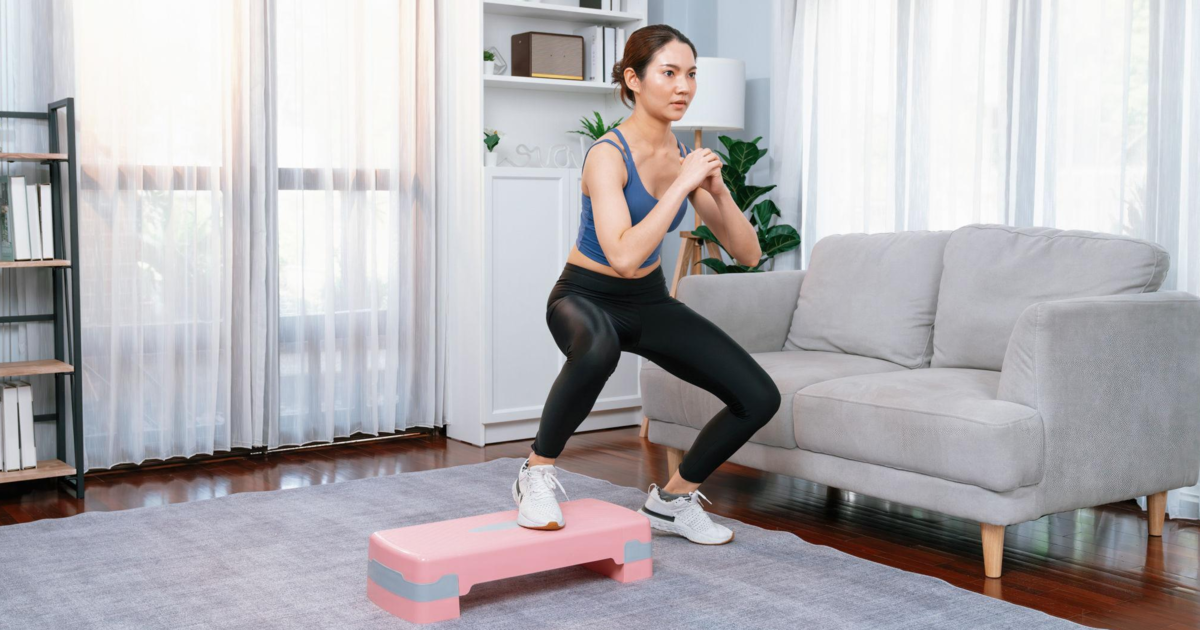
2. Step-Ups
Using a sturdy step or staircase, step up with one foot and then the other before stepping back down. This exercise supports balance, coordination, and lower-body strength.
3. Farmer's Carry
Carry two moderately heavy grocery bags, dumbbells, or water bottles while walking with good posture. This simple movement helps challenge grip strength, posture, and overall stability—skills you naturally use when carrying everyday items.
4. Wall Push-Ups
If traditional push-ups feel too challenging, wall push-ups are an excellent place to begin. They help strengthen the upper body while reducing pressure on the wrists and shoulders.
5. Bird Dog
Start on your hands and knees. Slowly extend one arm forward while extending the opposite leg behind you. Pause briefly before returning to the starting position. This movement encourages balance, coordination, and core stability.
Build Movement Into Your Daily Routine
One of the biggest misconceptions about fitness is that every workout needs to be long or intense. In reality, consistent movement throughout the day can be just as valuable as a single workout session. Here are a few easy ways to stay active:
Turn Everyday Tasks Into Opportunities
Instead of viewing chores as something separate from exercise, recognize them as opportunities to move. Try:
- Carrying groceries in multiple trips if the load is too heavy.
- Taking the stairs instead of the elevator.
- Walking while talking on the phone.
- Stretching after sitting for long periods.
- Parking a little farther from your destination.
These small choices can add meaningful movement to your day without requiring extra time.
Schedule Short Movement Breaks
If you spend much of your day at a desk, set a reminder to stand up every hour. Walk around the room, stretch your shoulders, or perform a few bodyweight squats. Even a few minutes of movement can help break up long periods of sitting.
Support Your Fitness Journey with Healthy Recovery
Exercise is only one part of becoming stronger. Recovery is equally important. After regular physical activity, your body benefits from:
- Balanced meals
- Adequate hydration
- Quality sleep
- Rest days
- Consistent movement throughout the week
Nutritious foods provide the foundation for an active lifestyle, especially meals that include quality protein, whole grains, colorful vegetables, fruits, and healthy fats. Many active individuals also choose to include dietary supplements as part of their overall wellness routine. While supplements are not a substitute for balanced nutrition, they can be a convenient way to complement healthy eating habits and support individual nutritional goals, particularly during periods of increased activity or busy schedules. The most successful fitness plans are rarely built on extremes—they're built on sustainable routines that combine movement, nutrition, recovery, and consistency.
Conclusion
Functional fitness reminds us that exercise isn't only about improving performance in the gym—it's about making everyday life feel easier and more enjoyable. Simple movements like squats, step-ups, carries, and balance exercises can help support the strength and mobility needed for daily activities, regardless of your fitness level. Combined with nutritious meals, proper hydration, restorative sleep, and a consistent wellness routine that may include dietary supplements, functional training becomes part of a balanced lifestyle that supports long-term health. Remember, fitness doesn't have to be complicated. Sometimes the most meaningful progress comes from practicing the movements you'll use tomorrow, next week, and for years to come.