





Simple Ways to Reduce Stress Naturally
·
Written by Julie Schultz

·
Written by Julie Schultz
Stress has become an unavoidable part of modern life. From work deadlines and family responsibilities to constant digital distractions, feeling overwhelmed is common. But what if you could reduce stress naturally—without pills or expensive retreats? Fortunately, simple, science-backed strategies exist that anyone can incorporate into their daily routine to regain calm, improve focus, and boost overall well-being.
In this comprehensive guide, we explore simple ways to reduce stress naturally that are easy to implement, backed by research, and effective for lasting relief.
Why Reducing Stress Naturally Matters
Chronic stress can negatively impact your mental and physical health, leading to anxiety, fatigue, sleep disturbances, and even chronic diseases. According to the National Institute of Health (NIH), managing stress through natural lifestyle changes is essential for maintaining mental wellness and preventing long-term health complications.
Natural stress reduction techniques help regulate your nervous system, lower cortisol (the stress hormone), and promote relaxation without side effects. Plus, these habits enhance your resilience, making it easier to handle life’s challenges.
1. Practice Deep Breathing Exercises
One of the fastest and simplest ways to reduce stress naturally is through controlled breathing. Deep breathing activates your parasympathetic nervous system, which calms your heart rate and lowers cortisol levels.
Try the 4-7-8 Breathing Technique:
- Inhale quietly through your nose for 4 seconds.
- Hold your breath for 7 seconds.
- Exhale slowly through your mouth for 8 seconds.
Repeat this cycle 3 to 5 times daily or whenever stress hits. Research shows that just a few minutes of deep breathing can significantly reduce anxiety and improve focus.
2. Incorporate Regular Physical Activity
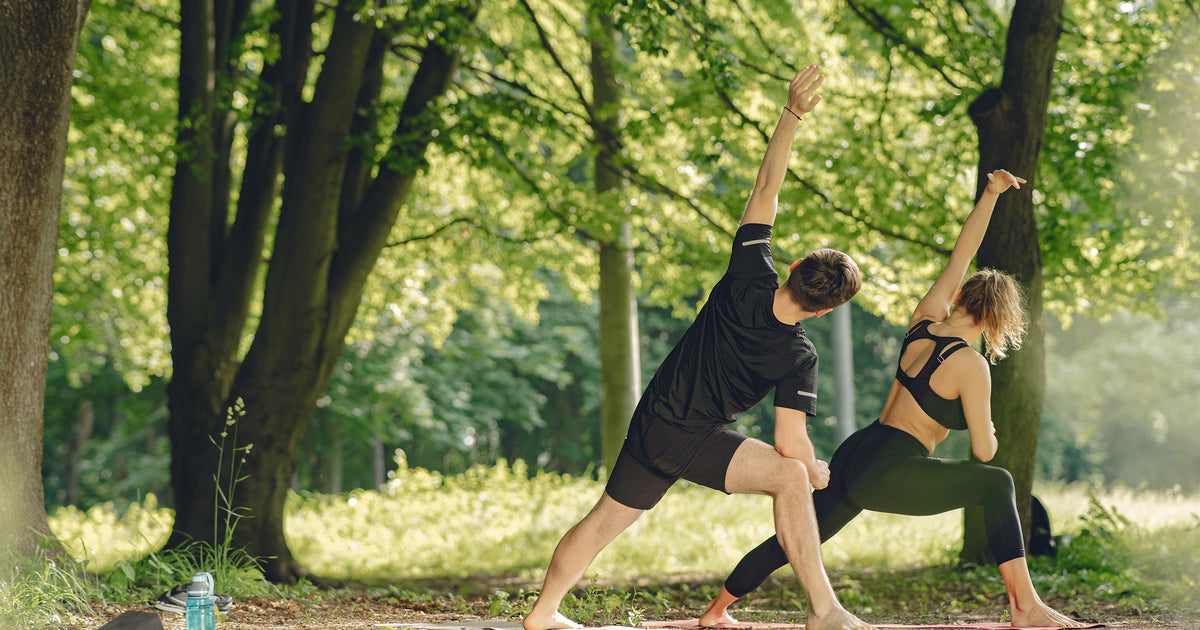
Exercise is a powerful natural stress reliever. Activities like brisk walking, yoga, dancing, or cycling release endorphins—your body’s natural mood boosters. Even 30 minutes a day can lower tension, improve sleep quality, and enhance emotional resilience.
A study published in the Journal of Medicine highlights that regular exercise strengthens the body’s stress-response system, helping maintain balance during stressful events.
3. Embrace Mindfulness and Meditation
Mindfulness meditation helps you stay present and reduces overthinking that fuels stress. Just 5 to 10 minutes daily can lower anxiety and boost mental clarity.
Apps like Calm, Headspace, and Insight Timer offer guided meditations for beginners. Research from the Journal of Mindfulness confirms that consistent meditation reduces cortisol and enhances emotional well-being.
4. Prioritize Quality Sleep
Sleep is foundational for stress management. Poor sleep increases cortisol and impairs your ability to cope with stress. Aim for 7–9 hours of consistent, restful sleep by:
- Establishing a regular sleep schedule.
- Avoiding screens at least an hour before bedtime.
- Creating a calm, dark, and cool sleep environment.
- Practicing relaxing bedtime rituals like reading or gentle stretching.
A meta-analysis of 65 trials found that improving sleep quality significantly reduces stress, anxiety, and depression.
5. Adopt a Balanced, Stress-Reducing Diet
What you eat directly affects your stress levels. Swap sugary snacks and excessive caffeine for nutrient-dense foods that stabilize blood sugar and mood.
Stress-busting foods include:
- Nuts and seeds (rich in magnesium and vitamin E)
- Fatty fish like salmon (omega-3 fatty acids)
- Greek yogurt and fermented foods (probiotics for gut health)
- Fruits and vegetables high in antioxidants (berries, leafy greens)
- Herbal teas such as chamomile and lemon balm
Research in Frontiers in Nutrition shows that these foods help regulate cortisol and reduce inflammation, promoting calmness.
6. Use Progressive Muscle Relaxation (PMR)
PMR is a technique where you tense muscle groups for 5–7 seconds and then release. Starting from your toes and moving up to your face, this method helps ease physical tension and quiet the mind.
Studies in the Journal of Psychology Research and Behavior Management demonstrate PMR’s effectiveness in lowering anxiety and improving sleep within weeks of practice.
7. Spend Time in Nature
Nature walks are more than leisure—they’re therapeutic. Research indicates that spending at least 20 minutes daily in green spaces lowers stress hormones and enhances mood.
Whether it’s a park stroll, gardening, or hiking, immersing yourself in nature helps your brain unplug and your body relax.
8. Limit Screen Time and Digital Overload
Excessive screen time, especially on smartphones and social media, can heighten stress and disrupt sleep. Studies show reducing recreational screen use improves mood and lowers anxiety.
Try digital sunsets—turn off devices at least an hour before bedtime—and take regular tech breaks during the day to reset your nervous system.
9. Build Strong Social Connections
Social support is crucial for emotional well-being. Engaging with friends, family, or community groups provides comfort, reduces feelings of isolation, and buffers stress.
The Journal of Psychoneuroendocrinology highlights that loneliness disrupts cortisol rhythms, making stress harder to manage, while social ties promote resilience.
10. Engage in Creative Hobbies and Laughter
Creative expression—painting, writing, music, or cooking—can shift your mood and reduce stress without overthinking emotions. Studies show that even 45 minutes of creative activity lowers cortisol and boosts dopamine.
Similarly, laughter therapy is a natural mood enhancer. Laughter lowers stress hormones and increases serotonin and endorphins, promoting relaxation and joy.
Bonus Tips: Aromatherapy and Self-Care Practices
- Aromatherapy: Using essential oils like lavender, rose, and orange can reduce heart rate and cortisol levels. Inhalation or diluted topical application can be a simple addition to your routine.
- Self-Compassion and Affirmations: Treat yourself kindly during stressful times. Positive affirmations activate brain regions linked to resilience and reduce stress hormone levels.
Getting Started: Build Your Stress-Reduction Routine
Stress won’t vanish overnight, but small, consistent changes add up. Start by choosing:
- One breathing exercise (like 4-7-8 breathing)
- One movement habit (a daily 10-minute walk or yoga)
- One dietary swap (nuts instead of sugary snacks)
Try these for two weeks, notice what works best, then gradually add more techniques. Consistency—not perfection—is key to feeling calmer and more focused.
Conclusion
Reducing stress naturally is achievable through simple, science-backed habits that nurture your mind and body. From deep breathing and movement to mindful eating and social connection, these strategies empower you to reclaim calm without medication or costly interventions. Start small, stay consistent, and watch your stress melt away—one breath, one step, and one mindful moment at a time. Ready to take control of your stress? Begin your natural stress reduction journey today and share these tips with friends and family to spread calm and wellness.