




5 Hidden Signs Your Body Is Lacking Essential Nutrients
·
Written by Julie Schultz

·
Written by Julie Schultz
In today’s fast-paced world, it’s easy to overlook the subtle signals our bodies send when they lack vital nutrients. While we often focus on calories, proteins, and fats, essential vitamins and minerals sometimes fly under the radar—until deficiencies manifest as nagging health issues. Recognizing 5 hidden signs your body is lacking essential nutrients can be the key to unlocking better health, enhanced energy, and improved immunity. In this article, we’ll explore these signs, explain which nutrients might be missing, and provide actionable tips to restore balance.
Why Nutrient Deficiencies Matter
Your body is a complex system that relies on a wide range of nutrients to function optimally. Deficiencies can lead to chronic fatigue, weakened immunity, skin and hair problems, muscle cramps, and slow wound healing. Ignoring these signs can result in long-term complications, impacting your quality of life.
Leading health experts, including Dr. Prashant Bhandarkar and specialists featured in top health resources, emphasize that early detection and dietary adjustments can prevent severe health issues. Let’s dive into the 5 hidden signs you shouldn’t ignore.
1. Persistent Fatigue Despite Adequate Rest
Feeling exhausted even after a full night’s sleep is more than just tiredness—it’s a red flag. Persistent fatigue often signals deficiencies in:
- Iron: Crucial for oxygen transport in the blood; low iron causes anemia, reducing oxygen delivery to tissues.
- Vitamin B12: Essential for red blood cell production and nerve function.
- Magnesium: Involved in energy metabolism and muscle function.
What the research says: According to Dr. Bhandarkar, chronic fatigue is one of the most common signs of nutrient deficiency. Verywell Health also highlights that B vitamins (especially B12), iron, and vitamin D deficiencies contribute significantly to fatigue.
How to combat fatigue:
- Include iron-rich foods such as spinach, red meat, lentils, and kidney beans.
- Add vitamin B12 sources like eggs, dairy, and fortified cereals.
- Eat magnesium-packed foods such as nuts, seeds, and dark leafy greens.
- Consider pairing iron with vitamin C-rich foods (like bell peppers or citrus fruits) to boost absorption.
2. Frequent Infections and Poor Immunity
If you find yourself catching colds or infections more often than usual, your immune system might be compromised due to nutrient shortages. Key players include:
- Vitamin C: Supports white blood cell function and antioxidant defense.
- Vitamin D: Enhances production of antimicrobial proteins and modulates immune responses.
- Zinc: Vital for wound healing and immune cell activity.
Insights from studies: A University of Southampton study showed that low vitamin D levels increase respiratory infection risk by 13%. Clinical data also reveal that vitamin C deficiency triples infection risk in surgical patients.
Boost your immunity by:
- Consuming citrus fruits, strawberries, and bell peppers for vitamin C.
- Spending time in sunlight and eating fortified foods for vitamin D.
- Adding oysters, nuts, and whole grains for zinc.
3. Skin and Hair Problems: Brittle Nails, Hair Thinning, and Dry Skin
Unexplained dryness, flaky skin, brittle nails, or hair thinning can be signs your body lacks:
- Biotin (Vitamin B7): Important for keratin production, which strengthens hair and nails.
- Omega-3 Fatty Acids: Reduce inflammation and maintain skin hydration.
- Vitamin E: Supports skin healing and elasticity.
Expert observations: Dr. Saurabh Sethi notes that brittle nails often indicate protein and iron deficiencies, while biotin insufficiency is linked to hair and nail fragility. PNI News highlights biotin’s role in maintaining hair strength.
Improve skin and hair health by:
- Eating biotin-rich foods like eggs, almonds, sweet potatoes, and fish.
- Including fatty fish (salmon, mackerel) or chia seeds for omega-3s.
- Adding sunflower seeds, spinach, and avocados for vitamin E.
4. Muscle Cramps and Weakness
Recurring muscle cramps or unexplained weakness may result from low levels of:
- Magnesium: Helps muscles relax and supports nerve function.
- Calcium: Essential for muscle contraction.
- Potassium: Maintains electrolyte balance for nerve and muscle cells.
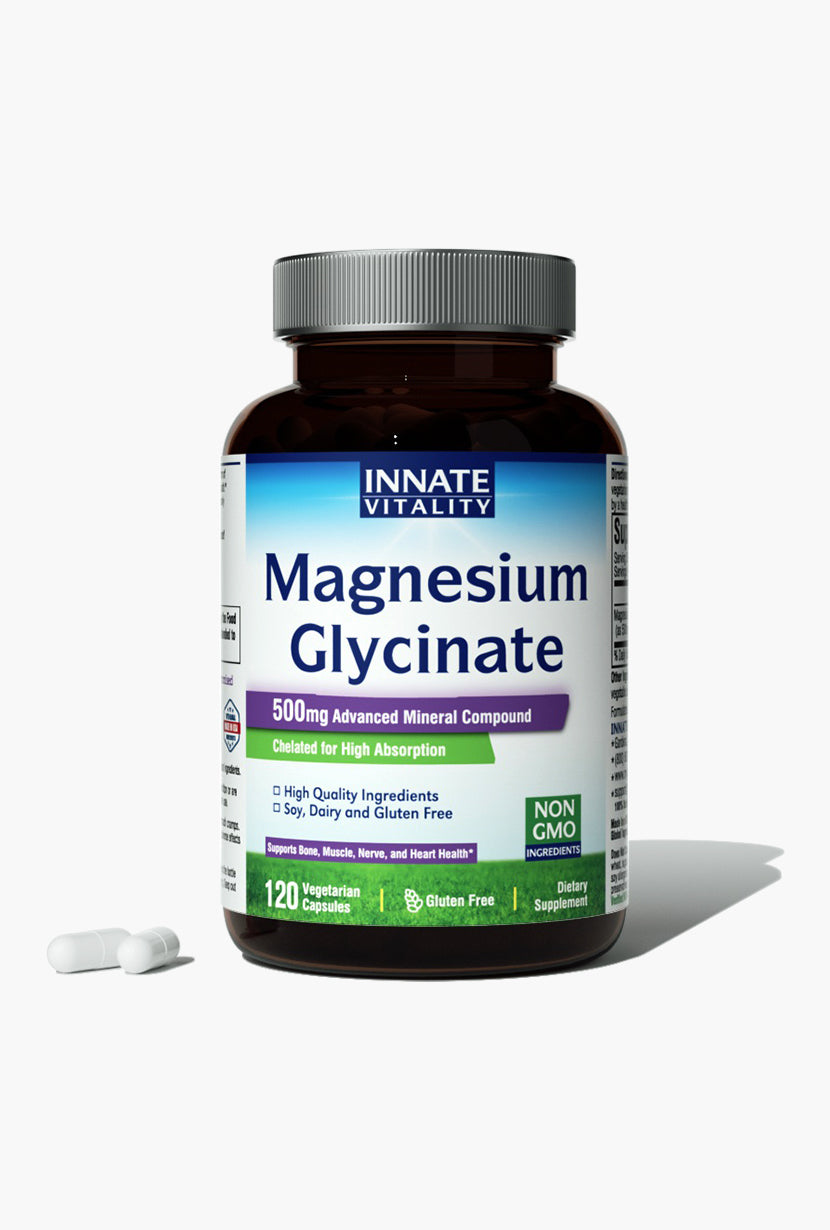
Scientific insights: Magnesium glycinate supplements have an 80% absorption rate, making them effective for relieving cramps, while calcium absorption improves significantly when paired with vitamin D. Untammed’s research emphasizes the importance of nutrient bioavailability for muscle health.
To reduce cramps:
- Incorporate bananas, oranges, and sweet potatoes for potassium.
- Eat dairy products and leafy greens for calcium.
- Add whole grains and nuts for magnesium.
5. Slow Wound Healing and Easy Bruising
If your wounds take longer to heal or you bruise easily, it could signal deficiencies in:
- Protein: Needed for cell regeneration and tissue repair.
- Vitamin C: Crucial for collagen formation, which strengthens skin and blood vessels.
- Zinc: Supports skin structure and immune response.
Clinical evidence: Zinc deficiency delays wound healing, while vitamin C deficiency impairs collagen synthesis.
Enhance healing by:
- Consuming lean meats, fish, tofu, and legumes for protein and zinc.
- Eating kiwi, broccoli, and bell peppers rich in vitamin C.
Additional Hidden Signs to Watch For
While these five are critical, other subtle symptoms can also indicate nutrient gaps:
- Cracks at the corners of the mouth (iron, zinc, B vitamins).
- Feeling cold frequently (iron or iodine deficiency).
- Early greying of hair (vitamin B12 or copper deficiency).
- Brittle nails or spoon-shaped nails (iron deficiency).
- Mental fog or difficulty concentrating (B12, iron, omega-3 deficiencies).
How to Prevent and Address Nutrient Deficiencies
- Eat a balanced, nutrient-dense diet: Incorporate a variety of fruits, vegetables, whole grains, lean proteins, and healthy fats.
- Focus on nutrient bioavailability: Animal-based sources often provide better absorption; pair nutrients wisely (e.g., vitamin C with iron).
- Avoid absorption inhibitors: Limit tea or coffee during meals, as tannins can reduce iron absorption.
- Consider supplements if needed: Consult a healthcare professional before starting supplements, especially for nutrients like B12, iron, or vitamin D.
- Monitor your health: Persistent symptoms warrant medical evaluation and possibly blood tests to confirm deficiencies.
When to Consult a Healthcare Professional
If you notice these hidden signs persist despite dietary changes, it’s important to seek expert advice. Nutrient deficiencies can sometimes stem from absorption issues or underlying medical conditions such as gastrointestinal disorders. Specialists like gastroenterologists and nutritionists can provide personalized diagnosis and treatment plans.
Conclusion
Your body communicates its needs through various subtle signs. Recognizing the 5 hidden signs your body is lacking essential nutrients—persistent fatigue, frequent infections, skin and hair problems, muscle cramps, and slow wound healing—can empower you to take proactive steps toward better health. By incorporating nutrient-rich foods, focusing on bioavailability, and seeking professional guidance when necessary, you can restore your body’s balance, boost your energy, strengthen immunity, and improve overall well-being.