


The Youth Matrix: How Changing Your Cooking Style Defeats "Skin Cooking" (AGEs)
When we think about anti-aging, our immediate reaction is to look for solutions that we can apply to the surface of our skin. We search for retinol serums, peptide complexes, and high-tech facial treatments to smooth out fine lines and restore elasticity. While these external layers are important, structural aging is deeply accelerated by a silent, internal chemical reaction happening inside our kitchens. In the longevity world, this process is linked to the formation of AGEs (Advanced Glycation End-Products). Appropriately named, AGEs act like an internal rust, actively stiffening our cellular matrix, degrading our internal tissues, and causing our skin to lose its natural bounce. The fascinating part? A massive portion of the AGEs in our bodies doesn’t come from genetics—it comes directly from how we apply heat to our food. Understanding the science of glycation and making minor adjustments to your cooking style is one of the most effective, accessible lifestyle strategies for protecting your youthful architecture from the inside out.
1. What Are AGEs? The Anatomy of "Internal Rust"
Advanced Glycation End-Products are formed through a non-enzymatic reaction where excess sugar molecules bind to proteins or fats.
- The Maillard Reaction: You see this reaction in real-time every time you cook. It is the golden-brown crust on a seared steak, the crispy skin on roasted chicken, or the deep brown color of fried potatoes. While this browning creates intense flavor, it represents the creation of millions of highly reactive AGE molecules.
- The Cross-Linking Crisis: When you consume foods packed with pre-formed exogenous AGEs, they enter your bloodstream and cross-link with your body's most abundant proteins: collagen and elastin. Healthy collagen is naturally supple, moving like fluid springs. When AGEs bind to it, they lock the fibers together, turning those flexible springs into stiff, brittle rods. On the surface, this manifests as premature sagging, deep wrinkles, and a loss of natural volume.
2. High Heat vs. Gentle Moisture
The ultimate variable in the creation of these anti-aging bottlenecks is not just the food itself, but the thermal intensity and moisture levels used during preparation.
- The High-Heat Accelerators: Dry, high-heat cooking methods—such as grilling, barbecuing, broiling, and deep-frying—can increase the AGE content of a food by 10 to 100 times compared to its raw state. This is because the lack of water allows surface temperatures to skyrocket, forcing sugars and proteins to fuse aggressively.
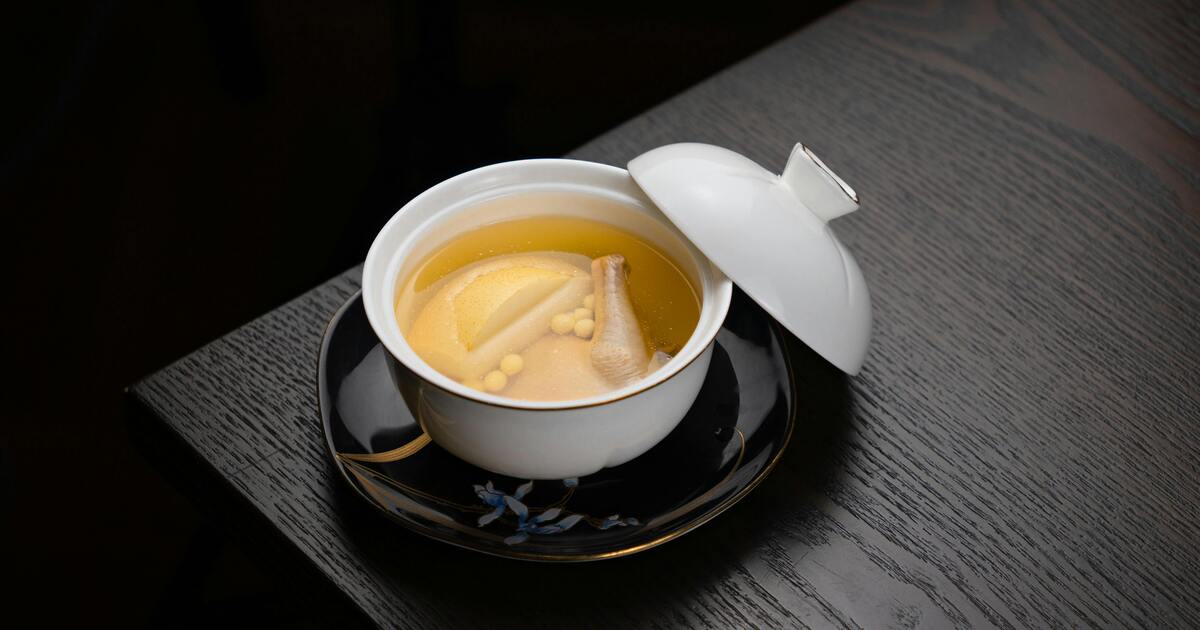
- The Moisture Shield: Conversely, cooking with water, steam, or gentle currents—such as poaching, stewing, braising, or slow-cooking—substantially minimizes the formation of these aging compounds. The presence of moisture caps the maximum temperature at the boiling point (100℃ or 212℉), preventing the structural proteins in your food from mutating into brittle advanced glycation structures.
The Acidic Deactivation Switch
If you still want to enjoy a roasted or grilled dish occasionally, you don't have to sacrifice your systemic youth. You can use a simple, brilliant biochemical hack to block the formation of AGEs before the heat even touches your food: The Acidic Marinade.
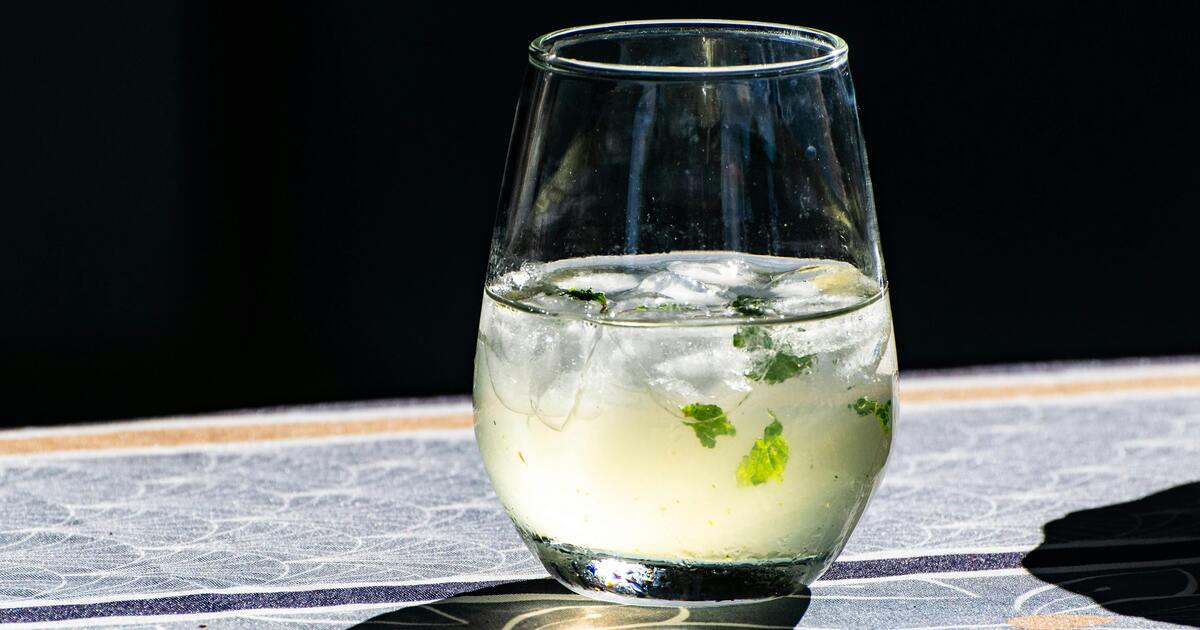
- Altering the Chemical Path: Research shows that marinating proteins in an acidic liquid—such as fresh lemon juice or raw apple cider vinegar—for just 30 to 60 minutes prior to cooking can cut the formation of AGEs by up to 50%.
- How it Works: The organic acids temporarily lower the pH on the surface of the food, altering the electrical charge of the amino acids and making it dramatically harder for sugar molecules to bind to them during the heating sequence.
Simple Anti-Aging Kitchen Adjustments
Transitioning your culinary routine into a longevity-supportive framework is entirely intuitive and life-friendly:
- The Gentle Simmer Shift: Shift your daily staple meals toward gentle, moisture-rich preparation. Swap out dry-roasted chicken or pan-seared meats for slow-cooked stews, gently poached seafood, or lightly steamed protein bowls. Your food will remain incredibly tender, juicy, and structurally clean.
- Add Raw Antioxidant Accents: Pair any cooked meals with abundant raw, whole-food side elements. Adding a fresh arugula salad, a squeeze of fresh lime juice, or vibrant microgreens right before serving introduces active vitamin C and live polyphenols that help your liver safely neutralize the small amounts of dietary AGEs you do consume.
- Clean Up Your Contact Surfaces: While managing internal heat, ensure your external kitchen tools support pure standards. When prepping your acidic marinades or wiping down fresh produce, avoid synthetic sponges that shed microplastics into your food matrix. Opt for kitchen cloths and towels made from 100% plant-based, biodegradable fibers (like pure Viscose or unbleached linen). Keeping your prep surface plastic-free and chemical-free prevents environmental toxins from adding an extra layer of oxidative stress to your body.
Conclusion
Anti-aging is not about chasing extreme, complex interventions; it is about recognizing the subtle environmental forces that shape our cells every single day. By understanding how high, dry heat cross-links your skin's collagen, you gain the power to alter that trajectory right on your stovetop. Embrace gentle simmering, utilize the protective shield of acidic marinades, and prioritize pure, natural materials in your space. True youthfulness is a reflection of a supple, well-protected cellular matrix—nurture it with intention, and let your natural radiance shine through.