






The Sensory Foundation: How Hyper-Cushioned Footwear Quietly Blinds Your Movement Architecture
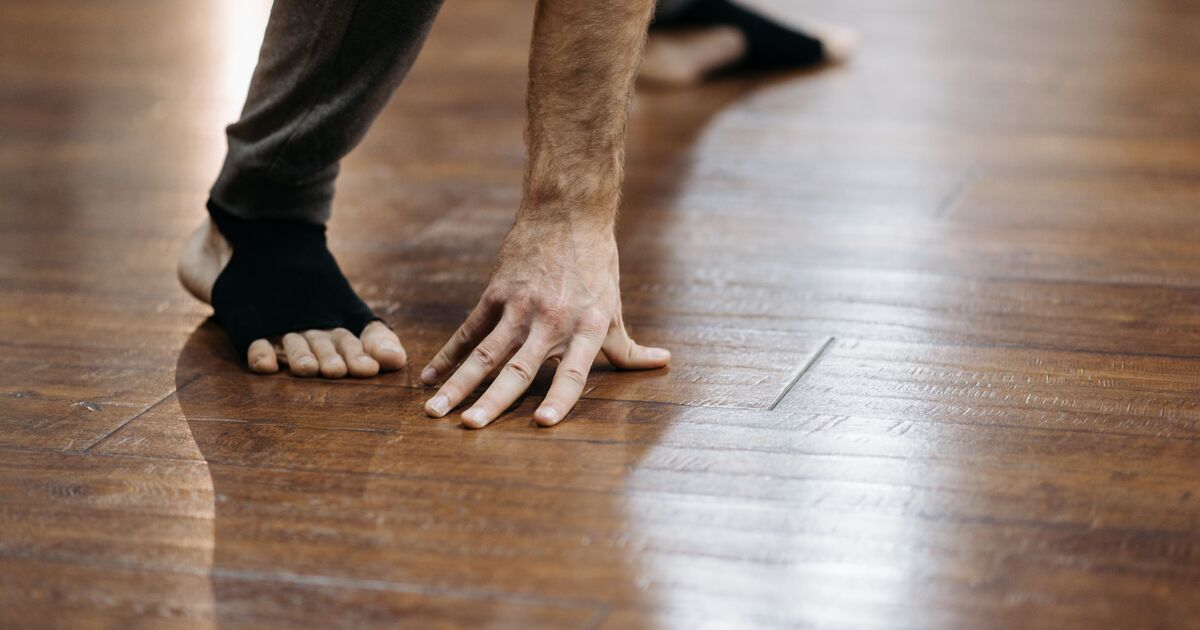
When we invest our energy into upgrading our athletic performance or protecting our joints during high-impact training, our first instinct is almost always to shop for maximum protection. We reach for engineered athletic shoes featuring thick, foam-cushioned soles and complex internal structural supports, assuming that a heavier mechanical barrier between our bodies and the ground is the ultimate way to absorb shock and prevent lower back strain. Yet, modern neuromuscular biomechanics reveals that this obsession with absolute padding is introducing a silent, sensory breakdown throughout our entire kinetic chain, effectively blinding the thousands of specialized mechanoreceptors packed into the soles of our feet. Your feet are your body’s primary tactical radar system, designed to read ground texture, alter joint stiffness in real-time, and trigger instantaneous stabilization pathways down your spine; when you insulate this sensory interface inside a thick foam mattress, your brain loses its baseline connection to the earth, causing your knees, hips, and lower back to work double-time to guess how to move safely.
The Neurological Muting of the Plantar Matrix
To grasp why modern footwear choices alter your movement efficiency, we have to look closely at the dense neurological architecture of the human foot. The sole of your foot contains one of the highest concentrations of tactile nerve endings in the entire human body, specifically populated by specialized sensors known as Merkel discs and Meissner's corpuscles. These microscopic sensors are engineered to detect subtle vibrations, immediate pressure shifts, and changes in surface angle the millisecond your foot makes contact with the floor.
In a natural state, this incoming sensory data travels up your spinal cord at lightning-fast speeds, allowing your central nervous system to reflexively fire your core stabilizers, adjust your pelvic tilt, and brace your deep hip sockets before your full body weight completely lands.
However, when you encase your foot in a hyper-insulated, stiff athletic shoe, you place a profound sensory dampening filter over this entire network.
Because the thick foam soles artificially absorb and smooth out every environmental texture, your plantar nerves are left completely starved of stimulation.
Your brain is forced to navigate your workout in a state of sensory sensory-deprivation, completely missing the micro-vibrations required to calculate precise joint alignment.
To compensate for this internal blindness, your nervous system is forced to abandon its fluid, automated reflexes, instead relying on visual tracking and heavy, voluntary muscle strain to keep you balanced, which rapidly accelerates mental fatigue and mechanical wear during complex movements.
The Mechanical Toll of Artificial Stabilization
Beyond the neurological disconnect, hyper-cushioned footwear physically alters the structural shape and force-transmission capacity of your lower limbs. Most standard athletic shoes feature a pronounced "heel drop," meaning the heel is significantly elevated above the forefoot, paired with a narrow, tapered toe box that compresses your digits into a tight bundle.
This unnatural layout forces your Achilles tendon into a chronically shortened position, reducing its natural elastic recoil energy and altering the alignment of your ankle complex.
When you attempt to perform high-load movements—like a heavy deadlift, an explosive jump, or a rapid change of direction—within this unstable, padded environment, your body struggles to generate efficient power.
Instead of pushing against a solid, unyielding surface, your foot is forcing its energy down into a squishy, shifting foam layer.
This structural instability forces the deep stabilizing muscles of your ankle and knee to fire erratically simply to keep you from rolling over, redirecting precious kinetic energy away from your primary muscle engines and creating a chaotic domino effect of joint friction that eventually manifests as nagging lower back stiffness or knee irritation the morning after a training session.
3 Steps to Rebuild Your Sensory-Motor Foot Architecture
You can easily wake up your body’s natural radar system and restore absolute kinetic stability by integrating three deliberate, barefoot-centric training habits into your weekly routine:
- The Barefoot Warm-Up Protocol: Before you lace up your shoes for a strenuous workout, spend five minutes barefoot on a hard, unyielding floor or a thin yoga mat. Execute your baseline mobility drills—such as bodyweight lunges, single-leg balances, and gentle calf raises—completely bare-soled. Forcing your plantar mechanoreceptors to engage directly with a solid surface immediately clears the neural communication lines, flashing a green light across your pelvic stabilizers before you load your skeleton with weight.
- Transition to Low-Drop, Anatomical Textures: When selecting everyday lifestyle and training footwear, actively move away from tapered toe boxes and thick foam stacks. Prioritize zero-drop, foot-shaped shoes that possess a thin, flexible sole and a wide front compartment that allows your toes to splay out completely naturally. This structural layout allows your foot to function as a natural tripod anchor, encouraging your arches to build their own internal muscle strength rather than relying on artificial plastic supports.
- Plantar Tissue Roll and Stimulation: Integrate a daily sixty-second sensory wake-up block into your evening workspace routine. Place a firm, textured cork ball or a lacrosse ball under the arch of your bare foot while sitting or standing at your desk. Roll the tissue slowly from your heel to the base of your toes with moderate, mindful pressure. This simple mechanical rolling releases tight plantar fascia restrictions and floods your somatosensory cortex with fresh electrical feedback, instantly easing lower limb tension and grounding your nervous system after a long day of focus.
The Power of Grounded Mechanics
Ultimately, upgrading your physical longevity and movement output requires shifting your focus away from the superficial marketing of high-tech gear and honoring the magnificent, built-in engineering of your skeletal structure. Your feet are not fragile, passive platforms that need to be wrapped in pillows; they are highly advanced, self-stabilizing foundations designed to anchor your entire physical power engine. When you take intentional control of your tactile environment and allow your soles to feel the true feedback of the ground, you release your joints from the heavy toll of modern mechanical compensation. Your movement patterns instantly regain their natural, evolutionary grace, your physical power output becomes beautifully efficient, and your body steps into a baseline of resilient, pain-free athletic stamina that allows you to crush your fitness goals with absolute stability and ease.
Conclusion
True movement resilience is built from the ground up, starting at the absolute boundary where your body meets the earth. By understanding the real science of proprioceptive feedback and actively liberating your feet from the sensory-deprivation of hyper-cushioned footwear, you fortify your entire kinetic chain against hidden strain. You do not need extreme or uncomfortable protocols to unlock a powerful, athletic posture. Prioritize the raw sensory feedback your nervous system craves this week, trust the elegant architectural intelligence of your bare feet, and discover the beautiful, explosive stability that returns when your body is completely grounded for life.