




The Glycation Matrix: How "Sugar-Bonding" Permanently Hardens Your Youthful Architecture
When we discuss the biological drivers of premature aging, our conversations almost always revolve around sun damage or environmental pollution. We diligently apply high-protection UV filters every morning and layer our skin with topical shields to deflect external free radicals. Yet, modern longevity medicine reveals that one of the most destructive aging forces isn't hitting your skin from the outside world—it is traveling through your bloodstream every single time you eat. This internal process is known as glycation, a silent biochemical reaction that structurally alters your body’s collagen and elastin matrix. If you have noticed your skin losing its natural bounce, an increase in fine lines despite heavy moisturizing, or a general sense of physical stiffness, you are likely witnessing the visible footprint of sugar-bonding.
The Science of Internal Caramelization
To understand how glycation accelerates the aging process, it helps to look at a classic culinary phenomenon: the browning of a piece of toast or the crisp crust of a seared steak. In chemistry, this is called the Maillard reaction—a process where heat forces sugar molecules to bind permanently with proteins, caramelizing them into a hard, rigid structure.
A nearly identical process happens quietly inside your warm, 37°C body. When you consume dietary sugars or refined carbohydrates, glucose enters your bloodstream.
If there is a persistent excess of glucose circulating in your system, these loose sugar molecules begin to mindlessly bump into your body’s structural proteins—specifically Collagen Type I and Type III.
Without the assistance of any enzyme, the sugar molecule locks onto the flexible collagen fiber, creating an irreversible chemical bond. Over time, these sugar-coated proteins undergo a series of complex chemical rearrangements, transforming into highly destructive, deformed structures known as Advanced Glycation End-products—perfectly abbreviated as AGEs.
Breaking the Elastic Trampoline
To fully appreciate why AGEs are the ultimate enemy of youthful vitality, we have to look at the structural architecture of your tissues. In your youth, your collagen and elastin matrix resembles a pristine, highly flexible trampoline. The individual protein fibers slide past one another effortlessly, allowing your skin to stretch when you smile and bounce right back into place when you rest. It is this precise mechanical elasticity that gives young skin its plump, smooth, and radiant appearance.
When AGEs form inside that matrix, they act like biological superglue. They create rigid chemical cross-links between neighboring collagen fibers, pinning them down and freezing them in place.
The fluid, sliding trampoline matrix is transformed into a brittle, stiff gridlock. Because the cross-linked collagen can no longer bend, the everyday facial movements of laughing, blinking, or speaking cause the underlying structure to crack, manifesting on the surface as permanent, deep-set wrinkles and sagging skin.
Worse yet, once a collagen fiber becomes glycated, your body's natural recycling enzymes can no longer recognize or break it down. These damaged zombie fibers sit permanently in your tissues, actively blocking your cells from manufacturing fresh, smooth collagen.
When your collagen matrix is pristine, the individual fibers slide past one another with fluid elasticity, maintaining plump, bouncy skin. However, when glucose cross-links those fibers into rigid AGEs, the matrix becomes brittle and stuck, leading directly to permanent deep wrinkles and structural sagging.
3 Culinary Habits to Shield Your Structural Matrix
While glycation is an inevitable part of living, the rate at which AGEs accumulate in your tissues is entirely under your control. By modifying how you prepare your food, you can dramatically limit the introduction of pre-formed glycation molecules into your system:
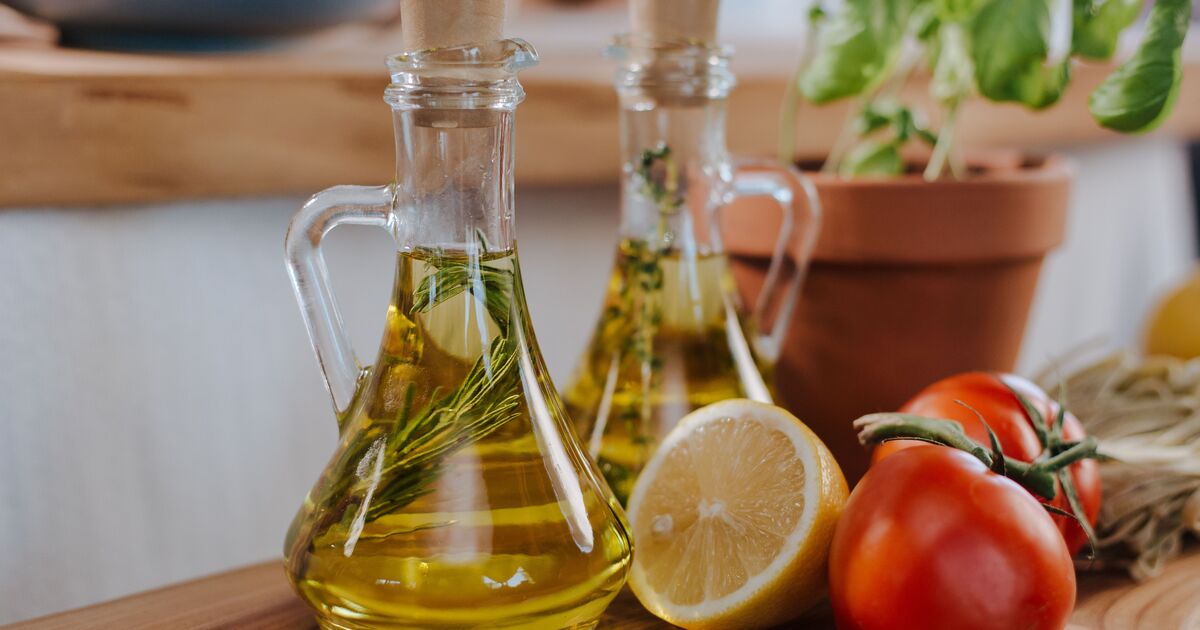
- The Acidic Marination Rule: Cooking meats and proteins under dry, intense heat (like grilling, broiling, or barbecuing) increases the presence of pre-formed AGEs in the food by up to two-hundred-fold. You can actively block this chemical browning process by marinating your proteins in an acidic liquid—such as fresh lemon juice, apple cider vinegar, or white wine—for just ten minutes before cooking. The low pH of the acid acts as a molecular shield, cutting the formation of glycation products in half during cooking.
- Embrace Low-and-Slow Moisture: Shift your home cooking methods away from high-heat frying and toward moisture-rich, gentle thermal techniques. Braising, poaching, steaming, or slow-stewing your meals keeps the cooking temperature capped at the boiling point of water. This simple environmental shift prevents the sugars and proteins in your food from fusing into rigid structures, ensuring your dinner remains gentle on your internal collagen.
- The Polyphenol Defense: Integrate unrefined, raw botanical compounds into your meals that naturally interfere with the glycation process inside your bloodstream. Herbs and spices like true Ceylon cinnamon, ground cloves, fresh ginger, and green tea contain exceptionally high concentrations of specific polyphenols that wrap around loose glucose molecules, preventing them from binding to your long-lived skin proteins.
The Systemic Reflection
Ultimately, protecting your body from the glycation matrix requires shifting away from the superficial quick-fixes of the beauty industry and embracing a deep respect for your internal biochemistry. The stiffness that manifests as a fine line on your forehead is the exact same cross-linking stiffness that degrades the flexibility of your blood vessels and clouds your joint mobility as the decades pass. When you choose to protect your internal matrix through mindful culinary habits and balanced blood sugar baselines, you aren't just protecting your skin's youthful reflection—you are actively preserving the structural elasticity, resilience, and vibrant physical grace of your entire body.
Conclusion
Aging gracefully is an architectural challenge that is won or lost at the molecular level. By understanding the real science of glycation and stepping away from cooking methods and habits that caramelize your internal proteins, you take back absolute control over your biological timeline. You don't need an aggressive or restrictive lifestyle to shield your collagen from sugar-bonding; you simply need to cook with intention and respect your metabolic boundaries. Protect your structural matrix today, nourish your tissues with clean, gentle whole foods, and enjoy the beautiful, lasting elasticity that keeps your skin radiant and your body moving effortlessly for a lifetime.