





The Cellular Shield: How Sulforaphane Turns on Your Body's Ultimate Defense System
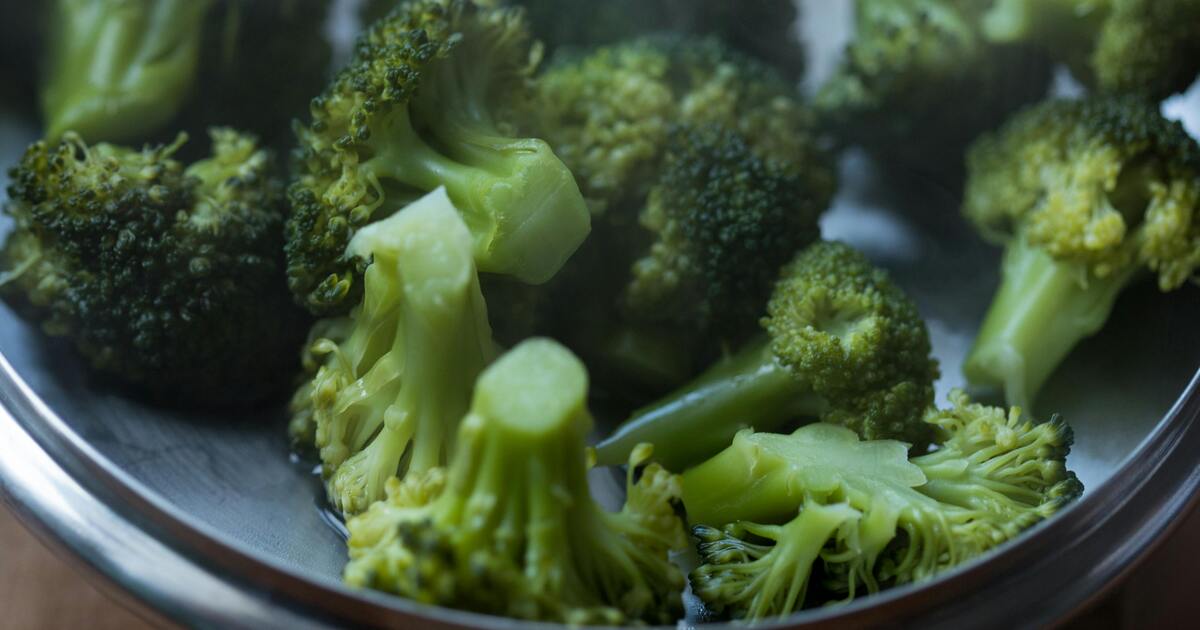
When we evaluate the nutritional value of vegetables, we typically look at their vitamin and mineral content. We praise broccoli, kale, and cabbage for their Vitamin C or fiber. However, plants possess an entirely separate class of compounds designed not to feed us, but to protect themselves. These are known as phytochemicals, and one specific molecule stands at the absolute frontier of longevity and cellular defense: Sulforaphane. Sulforaphane is a sulfur-rich compound found inside cruciferous vegetables. Unlike vitamins that directly neutralize a free radical and are spent in the process, sulforaphane acts as a biological master key. It interfaces directly with your DNA to activate your body's own internal antioxidant factories. Understanding how to unlock and utilize this single plant molecule is the secret to upgrading your cellular defense matrix from the inside out.
The Survival Mechanism: The Myrosinase Switch
An interesting fact about sulforaphane is that it does not actually exist inside a whole, undisturbed head of broccoli. Instead, the plant keeps the raw ingredients separated in different cellular compartments as a survival defense mechanism against insects.
- The Glucoraphanin Precursor: Inside the plant cells sits a precursor compound called glucoraphanin.
- The Myrosinase Enzyme: In a completely separate compartment sits a specialized plant enzyme called myrosinase.
- The Chemical Reaction: When an herbivore bites the plant—or when you chop, chew, or crush a cruciferous vegetable—these two compartments rupture. The myrosinase enzyme mixes with glucoraphanin, triggering a rapid chemical reaction that creates active sulforaphane. To get the maximum nutritional yield from these vegetables, you must mechanically damage the plant tissue (such as fine chopping or thorough chewing) and let it sit for a few minutes before consumption to allow this enzymatic switch to fully activate.
Nrf2 Activation: Turning on the Internal Antioxidant Factory
Once consumed, sulforaphane travels to your cells and targets a critical genetic pathway known as Nrf2 (Nuclear Factor Erythroid 2-Related Factor 2). Nrf2 is essentially the master control switch for your body’s cellular antioxidant response.
- The Cellular Wake-Up Call: Under normal conditions, the Nrf2 switch sits dormant. Sulforaphane enters the cell and gently triggers Nrf2 to migrate into the cell nucleus, where it binds to your DNA's Antioxidant Response Element.
- Systemic Production: This genetic signal forces your cells to mass-produce their own master antioxidants, including glutathione and superoxide dismutase. While drinking a glass of juice might neutralize a few free radicals externally, activating the Nrf2 pathway allows a single molecule of sulforaphane to trigger the destruction of thousands of free radicals for hours on end, creating a long-lasting cellular shield.
Phase II Detoxification: Cellular Housecleaning
Beyond fighting oxidative stress, the activation of the Nrf2 pathway by sulforaphane heavily upgrades your liver's Phase II detoxification enzymes.
- Neutralizing the Toxins: Your liver processes environmental chemicals, heavy metals, and air pollutants in two stages. Phase I transforms these toxins into highly reactive, dangerous intermediate molecules. Phase II enzymes (such as glutathione S-transferases) must immediately step in to neutralize these intermediates and make them water-soluble so they can be safely excreted.
- Preventing the Bottleneck: If Phase II is sluggish, reactive toxins can linger, causing cellular damage. Sulforaphane selectively speeds up Phase II enzyme production, ensuring that your internal chemical housecleaning system remains perfectly balanced and efficient.
Protecting the Enzyme from Heat Damage
Because sulforaphane relies completely on the myrosinase enzyme to be created, your cooking methods dictate how much of this nutrient you actually absorb.
- The Thermal Vulnerability: Myrosinase is highly heat-sensitive. If you boil or heavily microwave cruciferous vegetables, you destroy the enzyme completely, preventing the conversion of the precursor into active sulforaphane.
- The Strategic Fix: To preserve the enzymatic path, choose light steaming (under 3 to 4 minutes) or consume your cruciferous veggies raw. Alternatively, if you plan to cook broccoli thoroughly, you can add a small amount of raw mustard seed powder to the dish after cooking. Mustard seeds belong to the same plant family and contain a heat-stable form of active myrosinase, instantly restoring the chemical reaction on your plate.
Conclusion
True nutrition extends far beyond basic vitamins; it is about utilizing the sophisticated chemical defense systems found within nature. Sulforaphane proves that plants are not just passive fuel—they are dynamic biological messengers. By understanding the mechanical and thermal rules required to activate the myrosinase switch, you unlock a powerful genetic catalyst that fortifies your cells, accelerates detoxification, and protects your long-term vitality at the deepest root level.