



The Calcium Traffic Controller: Why Vitamin K2 is the Missing Link in Heart and Bone Health
For decades, conventional nutritional advice for building strong bones has revolved around a simple formula: consume more calcium. We are told to drink milk, eat dairy, or take calcium supplements to keep our skeletal structure dense and resilient. However, nutrition is never just about getting nutrients into your mouth; it is about where those nutrients actually end up inside your tissues. If you consume high amounts of calcium without its necessary micronutrient co-factors, that calcium can easily lose its way. Instead of traveling to your bones, it can settle inside your soft tissues, leading to stiff, calcified arteries and an overloaded cardiovascular system. This dangerous biological detour is known as the Calcium Paradox. The ultimate solution to this problem is a single, routinely overlooked fat-soluble micronutrient: Vitamin K2. Operating as your body’s internal traffic controller, Vitamin K2 ensures that calcium goes exactly where it belongs, protecting your heart and fortifying your bones simultaneously.
The Anatomy of the Calcium Detour
To understand the power of Vitamin K2, we have to look at what happens when calcium enters your bloodstream. Calcium is a highly reactive mineral. While it is vital for muscle contractions and bone density, floating calcium naturally wants to bind to soft, injured, or inflamed tissues—including the delicate inner walls of your blood vessels.
- The Arterial Stiffening: When calcium accumulates inside your arterial walls, it forms hard, rigid plaques. This process, known as arterial calcification, reduces the elasticity of your blood vessels, forcing your heart to pump harder and elevating your cardiovascular stress baseline.
- The Missing Signal: Your body has built-in proteins designed to stop this calcification from happening, but these proteins are born completely asleep. They require a specific molecular alarm clock to wake up and go to work, and that alarm clock is Vitamin K2.
Activating the Bone and Vessel Guards
Vitamin K2 acts as the direct biological trigger for two critical proteins that manage calcium distribution across your entire system:
- Osteocalcin (The Bone Builder): Osteocalcin is a protein produced by your bone-building cells. When activated by Vitamin K2, it acts like a microscopic net, grabbing calcium straight out of your bloodstream and locking it tightly into your skeletal matrix, increasing bone mineral density.
- Matrix Gla Protein / MGP (The Arterial Guard): MGP is your body's most powerful natural inhibitor of tissue calcification. Found directly inside your blood vessel walls, MGP must be activated by Vitamin K2 to function. Once awake, it aggressively blocks calcium from binding to your soft arterial tissues, keeping your blood vessels supple, flexible, and clean.
The K2 vs. K1 Distinction: Clearing the Confusion
A common misconception in nutrition is grouping all forms of Vitamin K together. However, Vitamin K1 and Vitamin K2 have entirely different chemical structures and biological jobs inside the body:
- Vitamin K1 (Phylloquinone): Found abundantly in leafy green vegetables like spinach and kale, Vitamin K1 travels straight to your liver, where your body uses it primarily to regulate healthy blood clotting.
- Vitamin K2 (Menaquinones): Vitamin K2 bypasses the liver and redistributes to your peripheral tissues, bones, and blood vessels. Because it is produced primarily by specialized bacterial fermentation, it is exceptionally scarce in the standard modern diet, which relies heavily on highly processed, pasteurized foods.
How to Source Bioavailable Vitamin K2
Reclaiming your systemic calcium balance requires intentionally incorporating fermented and traditional whole foods back into your lifestyle:
- The Fermented Champion (MK-7): Natto, a traditional Japanese dish made from fermented soybeans, is the single richest source of the highly bioavailable MK-7 form of Vitamin K2 on the planet. This form has a long biological half-life, remaining active in your bloodstream for days.
- The Animal Matrix (MK-4): The MK-4 form of Vitamin K2 is found in high-quality, pasture-raised animal fats. Incorporating gouda or brie cheeses, pasture-raised egg yolks, grass-fed butter, and dark chicken meat delivers a dense payload of this nutrient naturally packaged with the healthy fats your body needs to absorb it.
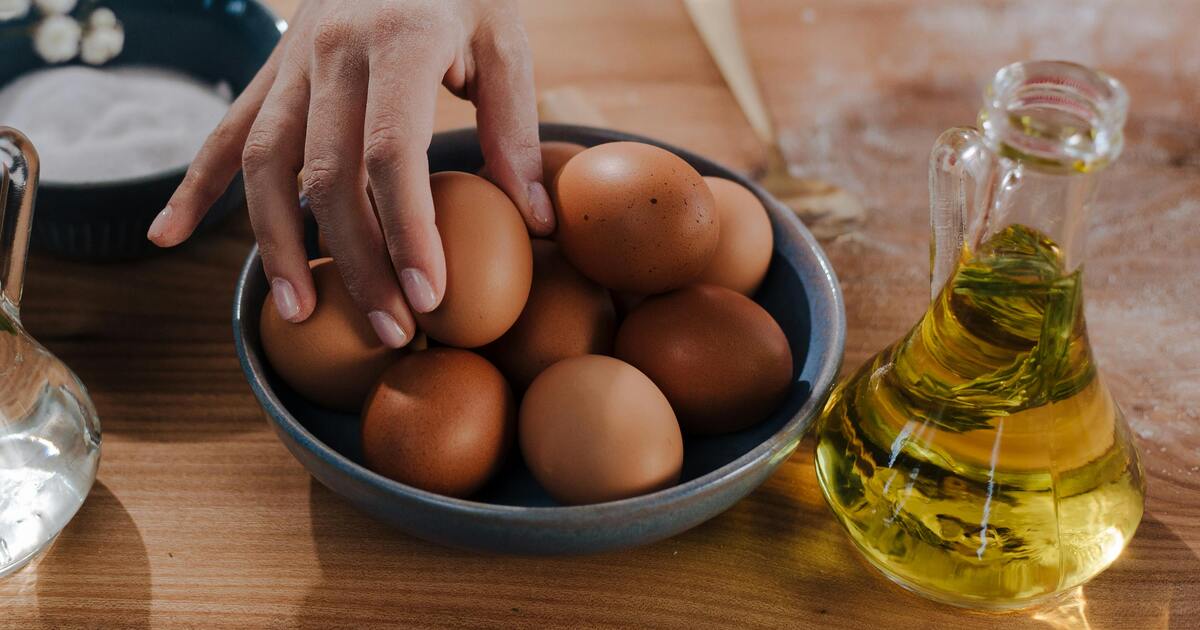
- The Cooking Rule: Because Vitamin K2 is fat-soluble, it must always be consumed alongside healthy lipid carriers—like the natural fats found in whole eggs or a light drizzle of extra virgin olive oil—to ensure it slips effortlessly through your intestinal lining and straight into your circulation.
Conclusion
Optimal wellness is not a matter of flooding your body with isolated minerals; it is about respecting the elegant, interconnected network of co-factors that tell those minerals how to behave. Calcium is a magnificent structural asset, but only when it is guided by the proper blueprint. By understanding the science of Vitamin K2 and consciously choosing traditional fermented foods and grass-fed fats, you activate the internal guards that protect your cardiovascular system and strengthen your skeleton. Guide your nutrition with intention, and let your body achieve a state of perfect, fluid harmony.