




The Bioavailability Secret: Why "What You Eat" Is Only Half the Story

In the world of nutrition, we are often obsessed with labels. We count calories, track grams of protein, and look for high percentages of Daily Values on our supplement bottles. However, there is a silent metric that is far more important than what is on the label: Bioavailability. Bioavailability is the proportion of a nutrient that actually enters your circulation and becomes available for your body to use. The hard truth is that your digestive system is not a perfect sponge. Just because you swallow a nutrient doesn't mean your cells ever see it. From the health of your gut to the specific form of the mineral itself, several "gatekeepers" determine how a nutrient fuels your vitality.
Understanding Mineral Forms: Purpose Behind the Choice
When you see a mineral like Magnesium or Zinc on a label, it is always bound to another molecule to keep it stable. These different forms aren't necessarily "better" or "worse"—they simply serve different physiological purposes.
- The Role of Oxides: Mineral oxides are often valued for their high elemental concentration, meaning they pack a lot of the mineral into a small space. Because they are absorbed more gradually, they are sometimes used when a slower release is preferred or when the goal is to support digestive regularity within the intestinal tract itself.
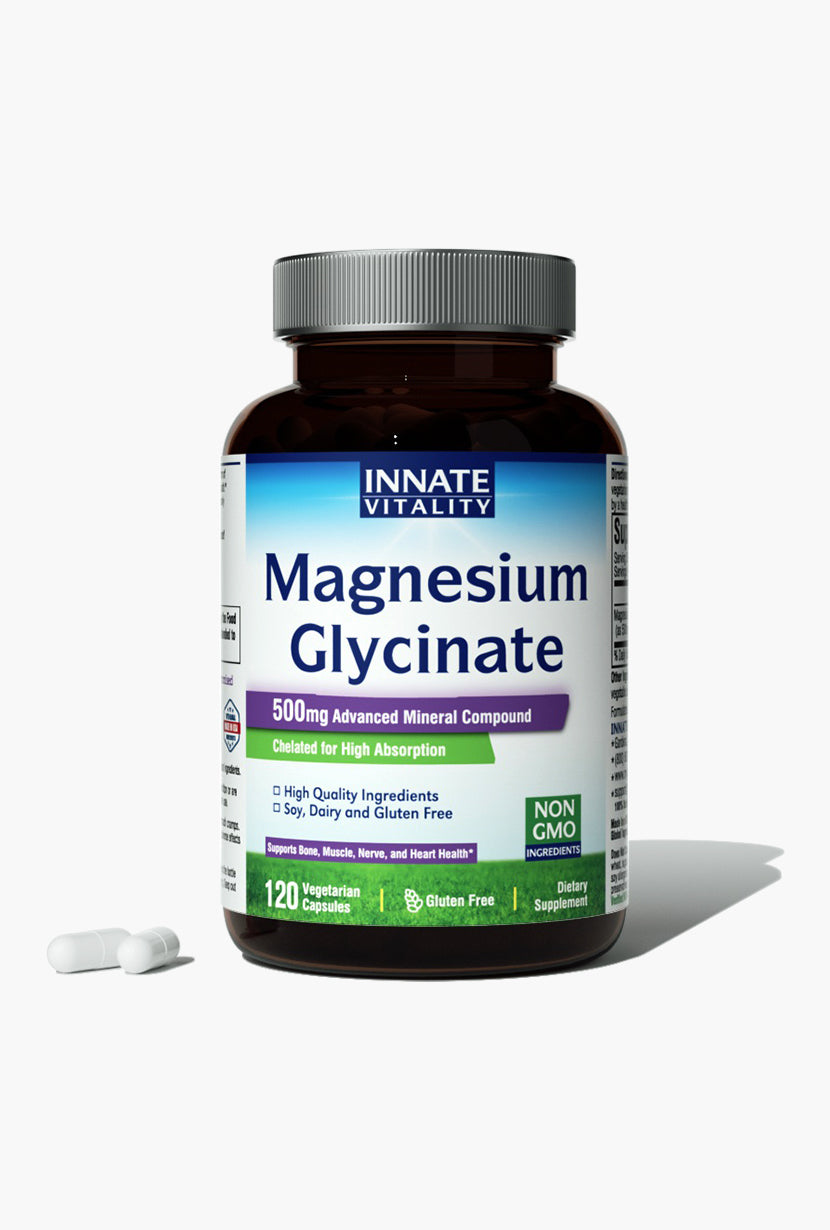
- The Role of Chelates: Chelated minerals (minerals bound to amino acids) are designed to mimic the way nutrients are found in nature. These are often used when the goal is rapid, high-efficiency absorption into the bloodstream for systemic support.
A well-designed nutritional routine often utilizes a strategic mix of these forms to provide both immediate and sustained support for the body.
The Synergy Effect: Nutrients That Work in Pairs
Nature rarely packages nutrients in isolation. In a balanced ecosystem, certain vitamins and minerals act as "co-factors" that unlock the potential of others.
- The Absorption Boosters: For example, Vitamin C is a well-known ally for iron, helping to transform it into a more absorbable state. Similarly, fat-soluble vitamins (A, D, E, and K) are best utilized when accompanied by healthy dietary fats.
- Balancing the Ratios: Some nutrients share the same transport pathways in your body. This is why professional formulations pay close attention to ratios—ensuring that one mineral doesn't overwhelm another, but instead, they work in a coordinated harmony to maximize your body's total uptake.
The Gut Gatekeeper: Why Digestion Dictates Health
You can have the most expensive diet in the world, but if your gut environment is compromised, your bioavailability will be limited. Your digestive system is the ultimate gatekeeper of your nutritional status.
-
pH Balance and Enzymes: Proper stomach acid levels and digestive enzymes are necessary to break down nutrients so they can be absorbed. Without this initial breakdown, even the highest-quality nutrients may not reach their full potential.
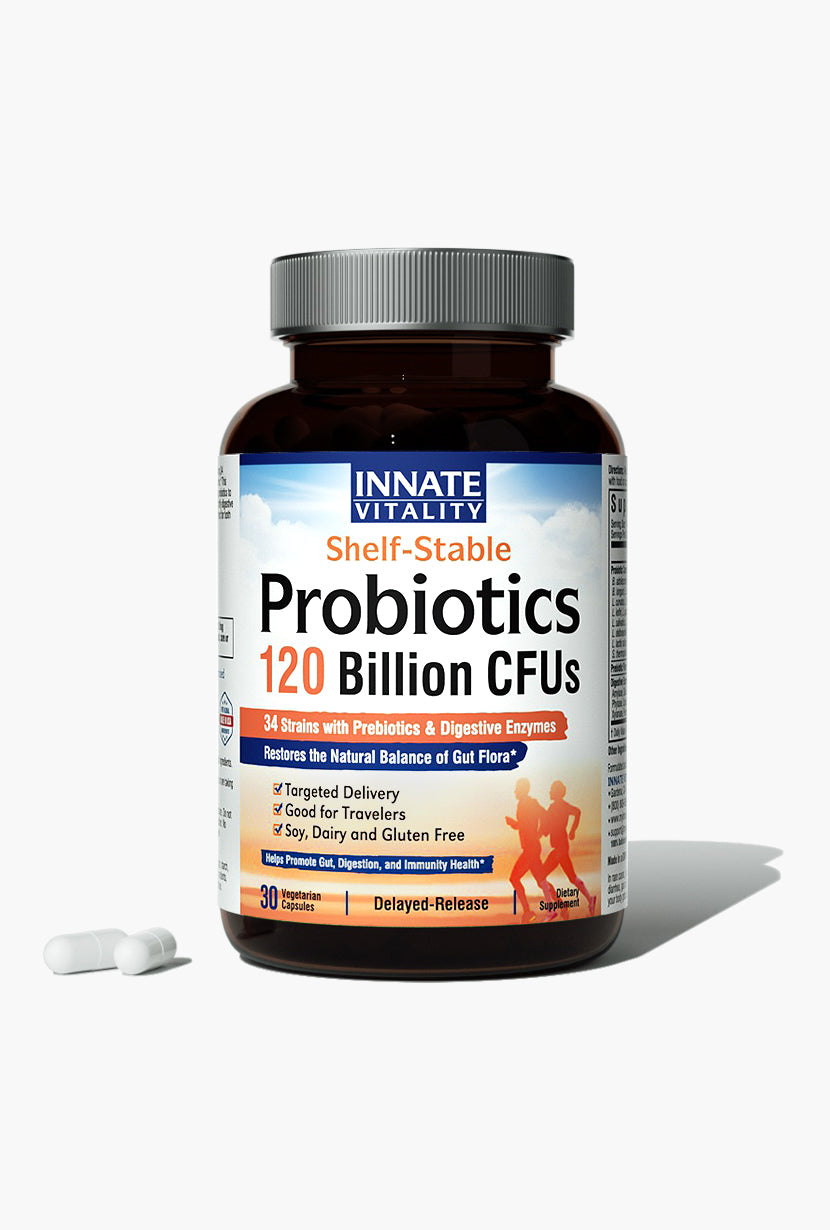
- Microbiome Integrity: A healthy gut lining and a diverse microbiome act as the final quality-control agents. When your gut is well-nourished and balanced, it becomes a more efficient engine for nutrient transport, turning your food and supplements into real-world energy and resilience.
Smart Supplementation: A Proactive Approach to Modern Life
Achieving optimal nutrient levels through food alone is becoming increasingly difficult due to soil depletion and the high-stress demands of modern life. This is where high-quality, science-backed supplements become a valuable lifestyle tool.
Choosing a supplement is about more than just reading a number on a bottle; it’s about choosing a product that respects human biology. By utilizing specific ingredient forms and synergistic blends, modern supplements bridge the gap between "standard nutrition" and "optimal performance." It’s an investment in ensuring that your body has a reliable, accessible supply of the raw materials it needs to thrive every single day.
Conclusion
It is time to move past the simplistic idea that "you are what you eat." The biological reality is that you are what you absorb. By paying attention to the forms of your nutrients, the synergy between vitamins, and the health of your digestive system, you can ensure that your efforts in the kitchen and at the supplement shelf actually pay dividends. When your cells are properly nourished with accessible fuel, your energy, focus, and resilience will reflect that internal balance.