





Slow Living: How to Create More Meaningful Moments in a Busy World

Modern life moves quickly. Between work responsibilities, social commitments, digital notifications, and endless to-do lists, many people feel like they are constantly busy but rarely have time to truly enjoy the present moment. This is where the idea of slow living comes in. Slow living does not mean doing everything slowly or avoiding ambition. Instead, it is about becoming more intentional with how you spend your time, paying attention to everyday experiences, and creating space for the things that truly matter. It can be as simple as enjoying your morning coffee without rushing, preparing a homemade meal, taking a walk without checking your phone, or spending quality time with loved ones. The goal is not to escape everyday life, but to experience it more fully. In this article, we'll explore what slow living means, why it has become increasingly popular, and practical ways to bring more calm and intention into your daily routine.
What Is Slow Living?
Slow living is a lifestyle approach centered around mindfulness, balance, and intentional choices. It encourages people to step away from the idea that being constantly busy means being successful. Instead, it focuses on creating a life that feels meaningful and aligned with personal values. Slow living can look different for everyone. For one person, it may mean:
- Spending more time cooking at home.
- Creating a relaxing morning routine.
- Reducing unnecessary commitments.
- Enjoying nature more often.
For another person, it may mean:
- Making time for hobbies.
- Having deeper conversations.
- Simplifying their home.
- Creating healthier boundaries with technology.
There is no single definition of slow living. The important part is choosing habits that help you feel more present and connected.
Why Many People Are Choosing a Slower Lifestyle
The constant pressure to do more can leave people feeling mentally exhausted.
Many people experience:
- Difficulty relaxing after work.
- Feeling distracted even during free time.
- Spending too much time online.
- Losing connection with simple everyday pleasures.
Slow living offers an opportunity to create more balance.
By intentionally slowing down, people may discover more enjoyment in ordinary moments:
- A homemade breakfast becomes a peaceful morning ritual.
- A walk becomes a chance to appreciate nature.
- Cleaning becomes a way to care for your living space.
- A conversation becomes an opportunity to connect.
Sometimes, improving your quality of life doesn't require adding more activities—it requires becoming more present during the activities you already have.
Simple Ways to Practice Slow Living Every Day
Slow living is not about making dramatic changes. Small adjustments can have a meaningful impact.
Create Technology-Free Moments
Technology makes life more convenient, but constant connection can also make it difficult to fully relax.
Try creating small periods without screens:
- Avoid checking your phone immediately after waking.
- Enjoy meals without scrolling.
- Take short walks without digital distractions.
- Turn off unnecessary notifications.
Even a few minutes of quiet time can help you reconnect with yourself.
Enjoy Everyday Rituals
Small routines can become meaningful moments when you approach them with intention. Examples include:
- Making tea in the afternoon.
- Lighting a candle while reading.
- Preparing breakfast slowly.
- Writing in a journal before bed.
- Listening to music while cooking.
These simple rituals create small moments of comfort throughout the day.
Spend More Time Outdoors
Nature has a simple way of helping people slow down. You can:
- Take a morning walk.
- Sit outside with a cup of coffee.
- Visit a local park.
- Grow flowers or herbs.
- Watch the sunset.
Outdoor time doesn't have to be a major adventure. Even small moments outside can create a sense of calm.
Slow Living in the Kitchen
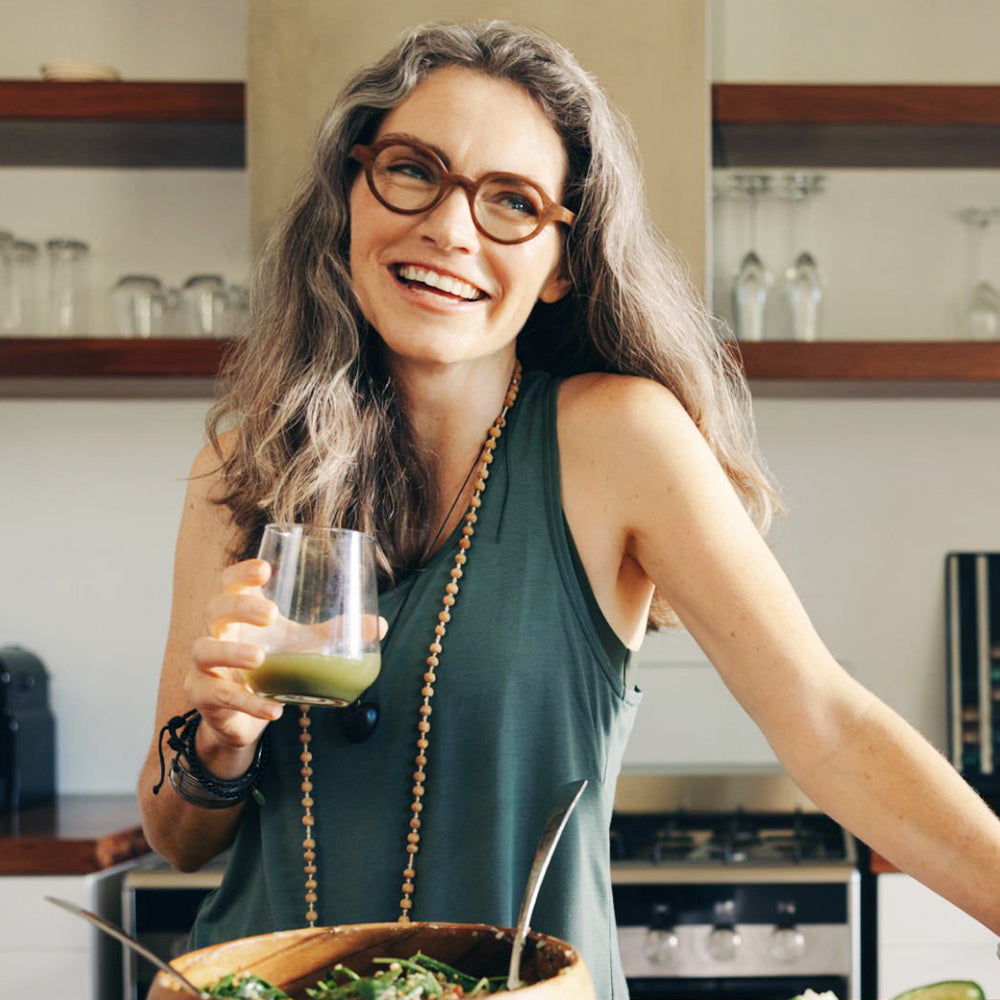
Food is one of the easiest ways to bring slow living into everyday life. Instead of seeing cooking as another task, try treating it as a meaningful activity. Simple ideas include:
Cook More Meals at Home
Preparing your own meals allows you to slow down and enjoy the process. You can:
- Try a new recipe.
- Shop for seasonal ingredients.
- Cook with family members.
- Prepare meals without rushing.
Practice Mindful Eating
Instead of eating quickly while working or watching television, try:
- Sitting at a table.
- Appreciating the appearance and smell of your food.
- Eating slowly.
- Enjoying each bite.
Meals become more than just fuel—they become moments of connection and enjoyment.
Creating a Slower Home Environment
Your surroundings can influence how you feel. A peaceful home does not require expensive decorations or a complete redesign. Often, small changes can make a space feel more comfortable. Consider:
- Keeping frequently used areas organized.
- Adding plants or fresh flowers.
- Creating a cozy reading corner.
- Using softer lighting in the evening.
- Displaying meaningful objects.
A home should not only look good—it should support the way you want to live.
Finding Balance Between Slow Living and Modern Life
Slow living does not mean abandoning goals, technology, or productivity. You can still:
- Build a successful career.
- Use technology.
- Set ambitious goals.
- Stay connected online.
The difference is becoming more intentional about how these things fit into your life. A balanced lifestyle allows you to work toward your goals while also making time for rest, relationships, and personal enjoyment. Some people also include wellness practices such as balanced nutrition, regular movement, quality sleep, and dietary supplements as part of their overall lifestyle routine. The key is creating habits that support your well-being rather than adding more pressure to your schedule.
Conclusion
Slow living is not about escaping the modern world—it is about learning how to experience it differently. In a world that constantly encourages people to move faster, choosing to slow down can be a powerful way to reconnect with yourself and the things that truly matter. Whether it is enjoying a quiet morning, preparing a homemade meal, spending time in nature, or creating a peaceful home environment, small intentional choices can transform ordinary moments into meaningful experiences. A slower life does not mean achieving less. It means making more room for the moments that make life feel valuable, enjoyable, and fulfilling.