





Pre-Workout vs Post-Workout Electrolytes: Timing Matters

Electrolytes play a crucial role in maintaining hydration, muscle function, and overall performance during physical activity. From sodium and potassium to magnesium and calcium, these essential minerals help regulate various bodily functions, particularly during exercise. However, the timing of electrolyte intake can significantly impact your performance and recovery. In this blog post, we’ll explore the differences between pre-workout and post-workout electrolytes, and why timing matters for optimizing your athletic performance.
Understanding Electrolytes
Electrolytes are minerals with an electric charge that help maintain the body's fluid balance and support muscle contractions, nerve function, and pH levels. Key electrolytes include:
- Sodium: Helps with fluid retention and muscle function.
- Potassium: Vital for muscle contractions and maintaining normal blood pressure.
- Calcium: Important for muscle contractions and nerve signaling.
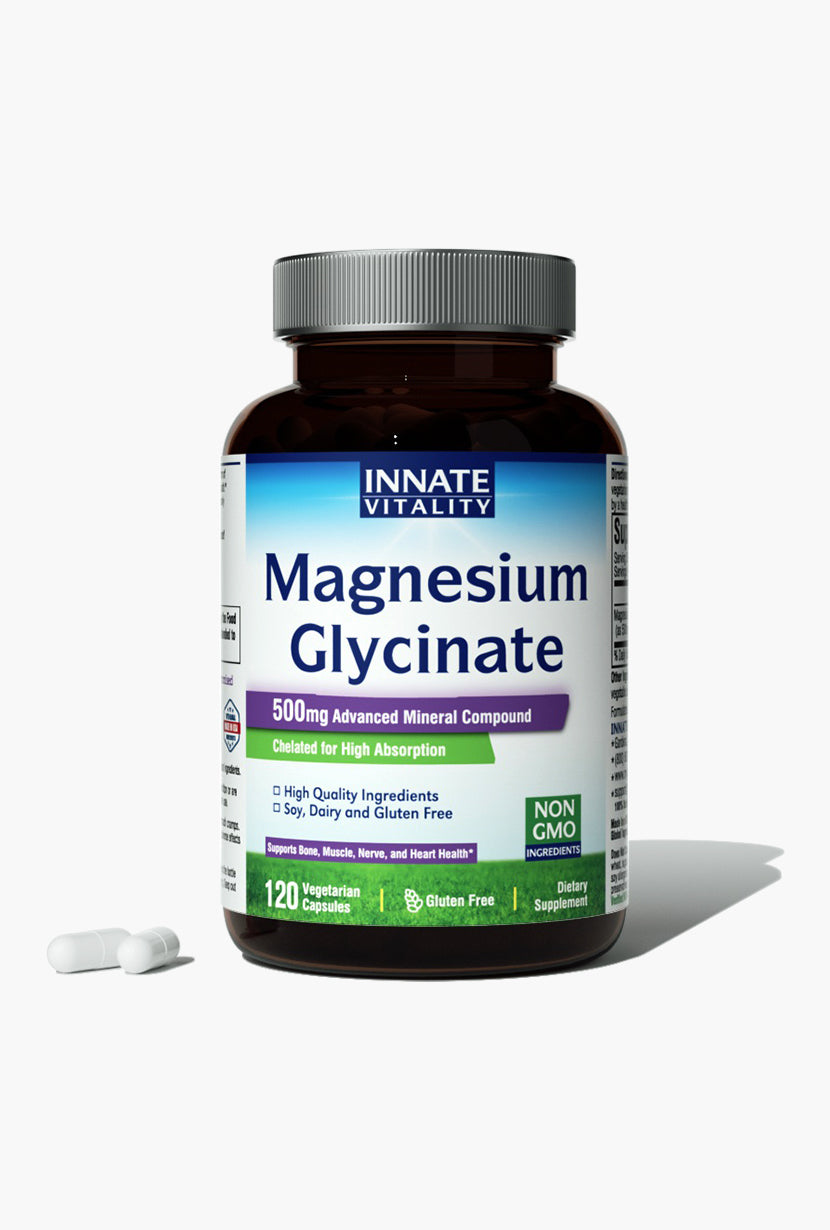
- Magnesium: Aids in muscle recovery and energy production.
When you exercise, especially in hot and humid conditions, you lose electrolytes through sweat. This loss can lead to imbalances, affecting performance and recovery.
The Importance of Pre-Workout Electrolytes
Benefits of Pre-Workout Intake
- Hydration: Consuming electrolytes before exercise helps enhance hydration levels, ensuring your body is well-prepared for physical activity.
- Muscle Function: Adequate electrolyte levels before a workout can reduce the risk of muscle cramps and fatigue, promoting optimal muscle performance.
- Sustained Energy: Electrolytes contribute to energy production, and having a well-balanced electrolyte status can help maintain endurance during prolonged workouts.
- Prevention of Dehydration: By ensuring your body has enough electrolytes before exercising, you can minimize the risks of dehydration-related issues, such as dizziness and fatigue.
Ideal Timing for Pre-Workout Electrolytes
Aim to consume electrolytes about 30-60 minutes before your workout. Hydration drinks, electrolyte powders, or capsules made with sodium, potassium, and magnesium can ensure that your body is adequately prepared for the physical demands ahead.
The Role of Post-Workout Electrolytes
Benefits of Post-Workout Intake
- Replenishment: After exercising, your body needs to replenish lost electrolytes. This is crucial for recovery, as it helps restore the balance needed for muscle function and hydration.
- Improved Recovery: Consuming electrolytes post-workout can reduce muscle soreness and support quicker recovery, allowing you to train harder in subsequent sessions.
- Restoration of Fluid Balance: Post-exercise, electrolytes help restore lost fluids, preventing dehydration and ensuring optimal bodily functions.
- Muscle Repair: Electrolytes like magnesium play a significant role in muscle recovery and repair, helping reduce the risk of injury or cramping as you exercise more frequently.
Ideal Timing for Post-Workout Electrolytes
Try to consume electrolytes within 30 minutes after your workout. This is a critical window for replenishing lost electrolytes and fluids. Smoothies, recovery shakes, or electrolyte drinks are perfect options for rehydrating and replenishing your body.
Conclusion
Timing matters when it comes to electrolyte intake for optimal performance and recovery. Consuming electrolytes before a workout can enhance hydration, muscle function, and energy levels, while post-workout intake is essential for replenishment and recovery. By understanding the importance of pre- and post-workout electrolytes, you can make informed decisions to enhance your performance and support your fitness goals.