





Magnesium Matters for Adults 40+: Bone, Heart, and Muscle Health Support

As we age, our bodies require extra care to maintain optimal health. For adults over 40, one essential mineral that often doesn’t get enough attention is magnesium. This powerhouse nutrient plays a vital role in hundreds of bodily processes, from supporting strong bones to keeping your heart and muscles functioning at their best. Unfortunately, many adults don’t get enough magnesium from their diets, which can lead to a range of health challenges.
In this blog, we’ll explore why magnesium is crucial for adults 40+, how it supports bone, heart, and muscle health, and the best ways to incorporate it into your daily routine.
Why Magnesium Is Essential for Adults Over 40
Magnesium is involved in more than 300 biochemical reactions in the body, making it integral to overall health. However, as we age, several factors can lead to magnesium deficiency:
- Decreased Absorption: Aging can reduce the body’s ability to absorb magnesium efficiently.
- Medications: Common medications, such as diuretics and proton pump inhibitors, can deplete magnesium levels.
- Inadequate Intake: Many adults don’t consume enough magnesium-rich foods, such as leafy greens, nuts, seeds, and whole grains.
For adults over 40, maintaining sufficient magnesium levels is critical to support key areas of health, including bones, the heart, and muscles.
1. Bone Health: Magnesium for Stronger Bones
When we think of bone health, calcium is often the first nutrient that comes to mind. However, magnesium is just as important. This mineral plays a key role in maintaining bone density and structure, especially as we age.
- Enhancing Calcium Absorption: Magnesium helps regulate calcium levels in the body, ensuring it gets properly absorbed into bones rather than building up in soft tissues or blood vessels.
- Preventing Bone Loss: Studies show that magnesium deficiency is linked to lower bone mineral density, increasing the risk of osteoporosis.
For adults over 40, ensuring adequate magnesium intake can help maintain bone strength and reduce the risk of fractures as you age.
2. Heart Health: Magnesium for a Healthy Cardiovascular System
Your heart is a muscle, and like all muscles, it relies on magnesium to function properly. Magnesium plays a critical role in supporting heart health by:
- Regulating Heartbeat: Magnesium helps maintain a steady heart rhythm by supporting the electrical activity of heart cells. Low magnesium levels are linked to irregular heart rhythms or arrhythmias.
- Promoting Healthy Blood Pressure: Magnesium acts as a natural vasodilator, helping to relax blood vessels and maintain healthy blood pressure levels.
- Reducing Risk of Cardiovascular Disease: Research indicates that magnesium may reduce the risk of heart disease by lowering inflammation and improving cholesterol levels.
For adults over 40, magnesium is a valuable ally in maintaining a healthy heart and reducing the risk of cardiovascular issues.
3. Muscle Health: Magnesium for Strength and Flexibility
Magnesium is a muscle’s best friend, playing a vital role in contraction, relaxation, and recovery. As we age, maintaining muscle health becomes increasingly important for mobility, strength, and overall quality of life.
- Preventing Cramps and Spasms: Magnesium helps muscles relax after contraction, reducing the risk of cramps and spasms—common complaints among adults over 40.
- Supporting Energy Levels: Magnesium is involved in energy production, ensuring your muscles have the fuel they need to stay active and strong.
- Reducing Muscle Soreness: By regulating inflammation, magnesium can help ease post-exercise muscle soreness and support faster recovery.
Whether you’re staying active with exercise or just looking to maintain mobility as you age, magnesium is essential for keeping your muscles healthy and functional.
How to Get Enough Magnesium
The recommended daily intake of magnesium for adults is about 400-420 mg for men and 310-320 mg for women. Here’s how you can ensure you’re meeting your magnesium needs:
1. Include Magnesium-Rich Foods in Your Diet
Eating a balanced diet with magnesium-rich foods is a great way to boost your intake naturally. Some great options include:
- Leafy greens like spinach and kale
- Nuts and seeds (e.g., almonds, cashews, sunflower seeds)
- Whole grains like quinoa and brown rice
- Legumes such as black beans and lentils
- Avocados and bananas
2. Consider a Magnesium Supplement
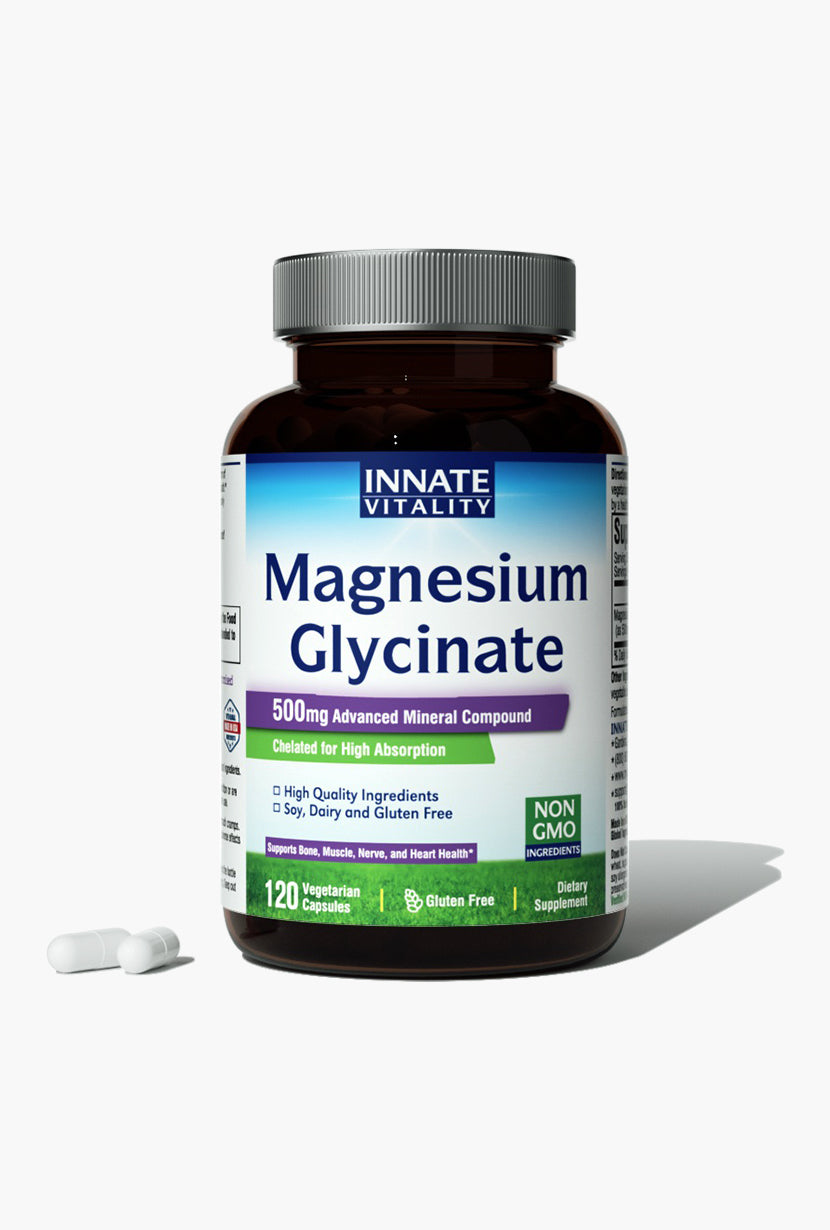
For many adults, dietary intake alone may not be enough to meet magnesium needs, especially for those with dietary restrictions or absorption issues. A high-quality magnesium supplement can help bridge the gap. Look for forms like magnesium glycinate, magnesium citrate, or magnesium malate, which are better absorbed and gentler on the stomach.
3. Limit Magnesium-Depleting Substances
Certain lifestyle factors can deplete magnesium levels, such as excessive alcohol consumption, high caffeine intake, and chronic stress. Reducing these can help maintain healthy magnesium levels.
Signs You Might Need More Magnesium
If you’re not getting enough magnesium, your body may send you warning signs. Symptoms of magnesium deficiency include:
- Muscle cramps, spasms, or weakness
- Fatigue or low energy
- Irregular heartbeat or palpitations
- Difficulty sleeping or relaxing
- Bone or joint discomfort
If you notice these symptoms, consider evaluating your magnesium intake and speaking with a healthcare provider about supplementation.
The Bottom Line
Magnesium plays a critical role in supporting bone strength, heart health, and muscle function, making it especially important for adults over 40. By incorporating magnesium-rich foods into your diet or choosing a high-quality supplement, you can ensure your body has the support it needs to stay strong, active, and healthy as you age.