





Magnesium in Food vs. Supplements: Can Diet Alone Meet Daily Needs?

Magnesium is an essential mineral that plays a crucial role in numerous physiological processes in the body, including energy production, muscle function, nerve transmission, and bone health. Despite its importance, many people struggle to consume enough magnesium through diet alone. In this blog post, we’ll explore the differences between obtaining magnesium from food versus supplements and why, for many individuals, dietary sources alone may not suffice.
Understanding Magnesium's Role
Magnesium is involved in over 300 enzymatic reactions in the body. It helps convert food into energy, supports muscle movement, and aids in DNA synthesis. Moreover, adequate magnesium levels are linked to a lower risk of chronic diseases such as hypertension, diabetes, and osteoporosis. With such vital functions, ensuring sufficient magnesium intake is essential for overall health.
Dietary Sources of Magnesium
Magnesium is found in various foods, and some of the richest sources include:
- Leafy Greens: Spinach, kale, and Swiss chard are excellent sources of magnesium.
- Nuts and Seeds: Almonds, cashews, and pumpkin seeds offer significant magnesium content.
- Whole Grains: Brown rice, quinoa, and whole wheat bread are beneficial.
- Legumes: Beans, lentils, and chickpeas provide ample magnesium.
- Dark Chocolate: A tasty source that's rich in magnesium and antioxidants.
While many of these foods are readily available, the average diet often falls short of meeting daily magnesium needs.
The Challenges of Meeting Magnesium Needs Through Diet Alone
Despite the availability of magnesium-rich foods, several factors complicate achieving optimal magnesium intake through diet alone:
- Modern Diets: Many individuals consume diets rich in processed foods, which are often low in essential nutrients like magnesium. Fast food and convenience meals usually lack whole, natural ingredients that provide critical minerals.
- Soil Depletion: Agricultural practices over the years have led to soil depletion, reducing the magnesium content in many fruits and vegetables. As a result, even consuming a variety of healthy foods may not guarantee adequate magnesium intake.
- Bioavailability: Not all sources of magnesium are equally absorbable. Factors such as the presence of phytates in whole grains and legumes can inhibit magnesium absorption.
- Increased Needs: Certain conditions, such as pregnancy, intense physical activity, and chronic stress, can elevate magnesium requirements. For athletes or active individuals, dietary intake might not be enough to meet their heightened needs for magnesium.
The Role of Magnesium Supplements
Given these challenges, magnesium supplements can play a vital role in ensuring adequate magnesium levels. While dietary sources should ideally be the first choice for nutrient intake, supplements provide a practical solution for those struggling to meet their daily requirements.
Why Choose Magnesium Glycinate?
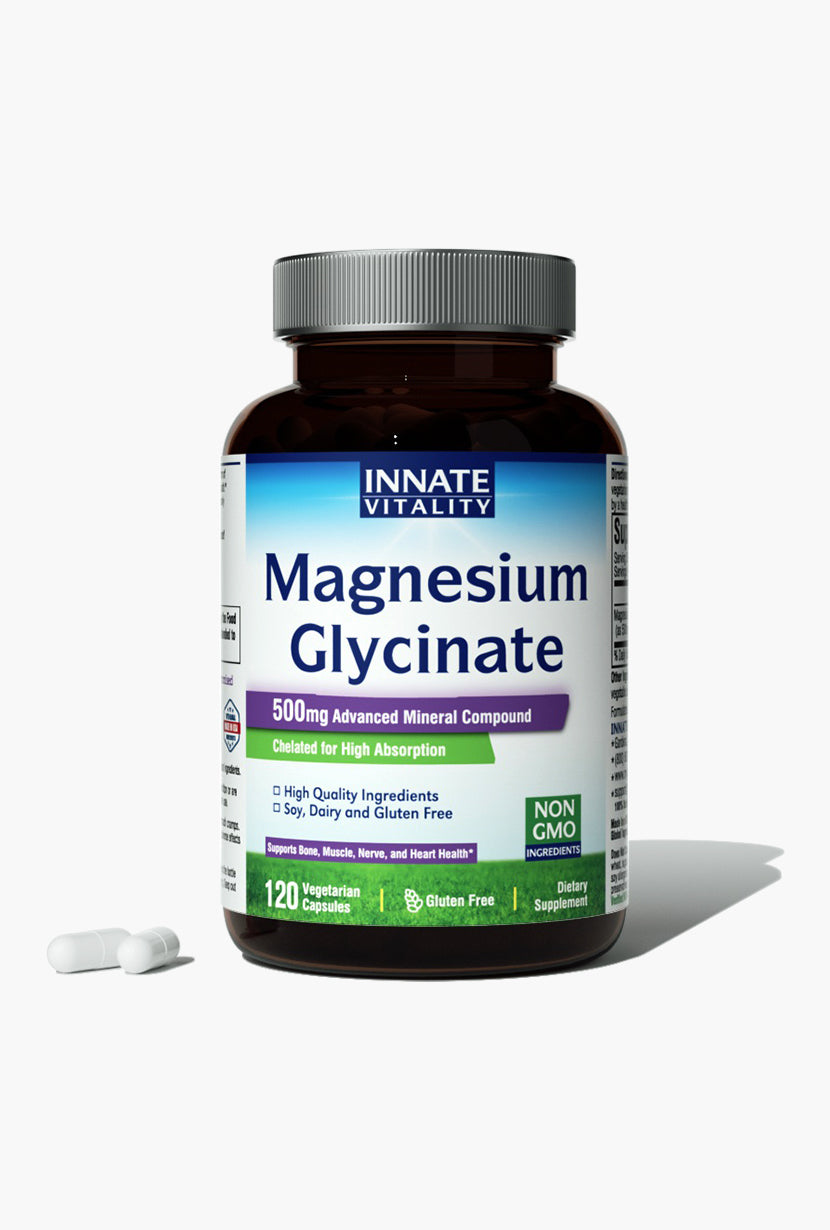
Magnesium glycinate is a highly bioavailable form of magnesium, which means it is easily absorbed by the body. It is less likely to cause gastrointestinal issues, such as diarrhea, compared to other forms like magnesium oxide. This makes magnesium glycinate a preferred choice for many individuals seeking supplementation.
Here are a few benefits of magnesium glycinate:
- Enhanced Absorption: Its chelated form aids in better absorption, ensuring you get the most out of your supplement.
- Supports Relaxation: Magnesium glycinate is known for its calming effects, making it beneficial for reducing anxiety and promoting sleep.
- Muscle Function: It supports muscle health and can help prevent cramps and spasms, particularly after intense workouts.
Conclusion
In summary, while it is possible to obtain magnesium through a balanced diet rich in leafy greens, nuts, whole grains, and legumes, it can be challenging to meet daily magnesium needs with food alone. Modern dietary habits, soil depletion, and increased magnesium requirements necessitate the consideration of supplements.
For those looking to enhance their magnesium intake effectively, magnesium glycinate is an excellent option. It offers superior absorption with minimal side effects, making it suitable for both overall well-being and specific health concerns. As you embark on your path toward balanced magnesium levels, incorporating a high-quality magnesium glycinate supplement can help ensure that you meet your daily needs and support your overall health.