





Don’t Let Your Body "Caramelize": Fighting Glycation with Precision Nutrition

Have you ever noticed how your skin looks dull after a weekend of indulgence, or why you feel chronically fatigued despite getting enough sleep? It might not just be the calories. Your body might be experiencing a chemical process called Glycation. If you think of your body as a high-performance engine, excess sugar is like pouring syrup into the gears. It makes your tissues stiff, brittle, and prone to "rusting." To maintain long-term vitality and glowing skin, you need to understand how to "clean" these biological gears from the inside out.
What is Glycation? The "Browning" of Human Tissue
In cooking, the Maillard reaction is what turns a steak brown and crusty—it’s a reaction between sugars and proteins. Inside your body, a similar process occurs. When excess sugar in your bloodstream attaches to proteins like collagen, it creates Advanced Glycation End-products (AGEs).
- Skin Damage: When collagen becomes "glycated," it loses its elasticity, leading to wrinkles and sagging.
- Vascular Stiffness: Glycation of the proteins in your blood vessel walls can lead to increased cardiovascular strain.
- Metabolic Sludge: AGEs accumulate in your system, triggering low-grade inflammation that manifests as persistent brain fog and fatigue.
The Hidden Sources of Sugar Stress
Glycation isn't just caused by eating candy bars. It’s a result of how our modern environment interacts with our biology.
- Refined Carbohydrates: White bread and pasta spike blood sugar just as quickly as table sugar.
- High-Heat Cooking: Grilling and frying foods actually creates "pre-formed" AGEs that we ingest directly.
- Stress Levels: Chronic stress raises cortisol, which pushes blood sugar higher, indirectly accelerating the glycation process even if you aren't eating sweets.
Your Biological Shield: Minerals vs. Glycation
While reducing sugar intake is the first step, you can also equip your body with specific "shields" to minimize the damage caused by the sugar that does enter your system.
- Chromium: The Glucose Gatekeeper. Chromium is an essential trace mineral that improves insulin sensitivity. It helps move sugar out of the bloodstream and into the cells to be burned for fuel, rather than leaving it to linger and damage your proteins.
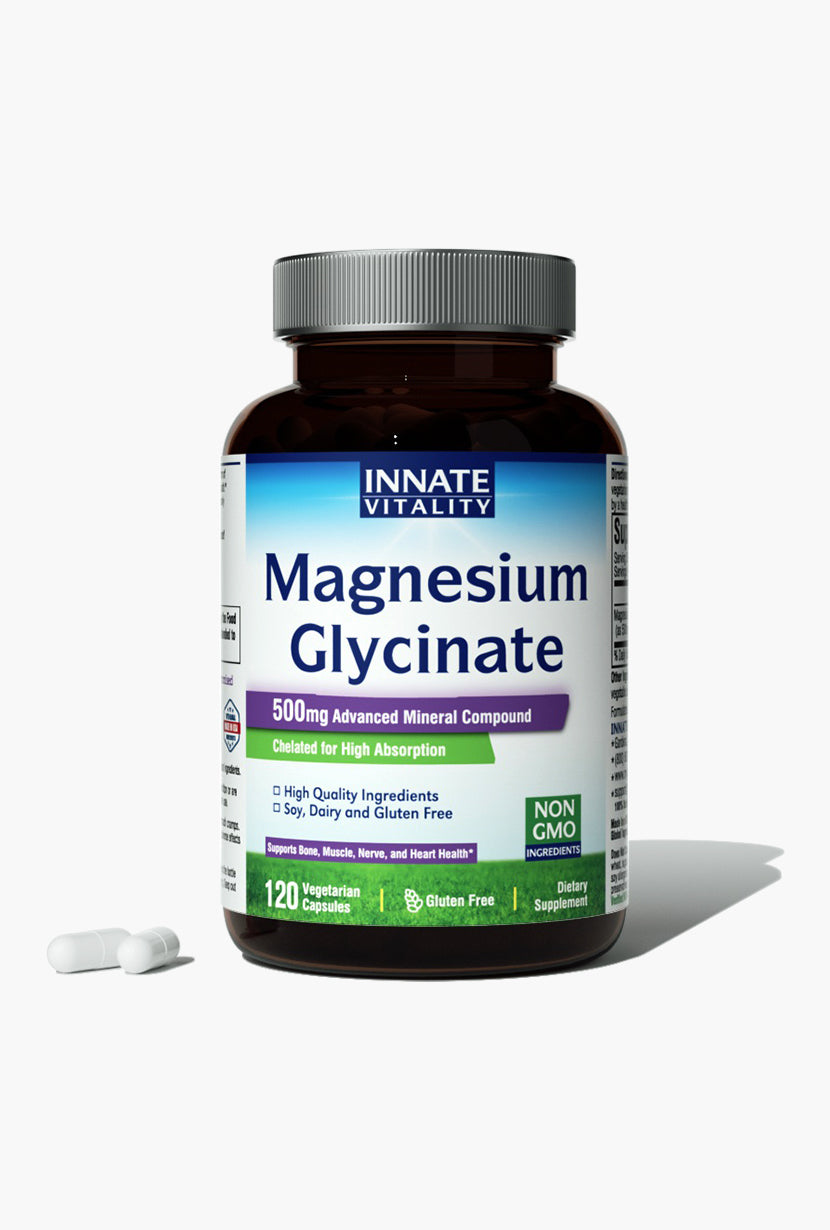
- Magnesium: The Metabolic Stabilizer. Magnesium is involved in over 300 enzymatic reactions, including those that regulate blood sugar. It is the foundational mineral for keeping your metabolic rate steady and resilient.
- The Antioxidant Defense: Nutrients that neutralize oxidative stress help intercept the free radicals produced during the glycation process, protecting your tissues from "caramelizing."
Building an Anti-Glycation Strategy
Fighting glycation is about consistency and biological support.
- The Order of Eating: Starting your meals with fiber and protein slows down the absorption of sugars, flattening the glucose curve.
- Smart Supplementation: In a world of hidden sugars, providing your body with high-quality, bioavailable minerals like Chromium and Magnesium offers a vital safety net. It ensures that your internal "cleaning crew" has the tools it needs to keep your tissues flexible and youthful.
Conclusion
We cannot completely avoid sugar, but we can change how our bodies handle it. By combining mindful eating habits with targeted nutritional support, you create a "bulletproof" environment for your cells. Anti-glycation isn't just about vanity or avoiding wrinkles; it’s about ensuring your biological machinery runs smoothly for decades to come. When you protect your proteins, you protect your life.