




Do Supplements Work Better With Food or On an Empty Stomach?

Many people who take dietary supplements eventually ask the same question: do supplements work better with food or on an empty stomach? The answer depends largely on the type of supplement, how the body absorbs different nutrients, and how digestion influences bioavailability. Understanding the relationship between supplements and food can help maximize effectiveness while minimizing potential side effects.
Supplements interact with the digestive system in different ways. Some nutrients require dietary fat to be absorbed efficiently, while others are better taken without food so they can enter the bloodstream more quickly. Certain supplements may also cause stomach discomfort if taken on an empty stomach, making food helpful for tolerance.
How the Body Absorbs Supplements
Absorption is one of the most important factors that determines whether a supplement works effectively. When you consume a supplement, it travels through the stomach and into the small intestine, where most nutrients are absorbed. Food in the digestive tract can either help or hinder this process depending on the nutrient.
- Presence of dietary fat, which helps absorb fat‑soluble vitamins
- Digestive enzymes and stomach acid that break down nutrients
- Interactions with other nutrients that may compete for absorption
- Speed of digestion and gastric emptying
Fat‑soluble vitamins such as vitamins A, D, E, and K are absorbed along with dietary fats. Without fat in a meal, their absorption may decrease significantly. Water‑soluble vitamins generally absorb more easily but may still cause stomach irritation for some people when taken alone.
Supplements That Work Better With Food
Some supplements perform best when taken with meals because food improves absorption or helps prevent digestive discomfort.
- Fat‑soluble vitamins: vitamins A, D, E, and K require dietary fat for optimal absorption
- Multivitamins: meals help improve tolerance and enhance nutrient uptake
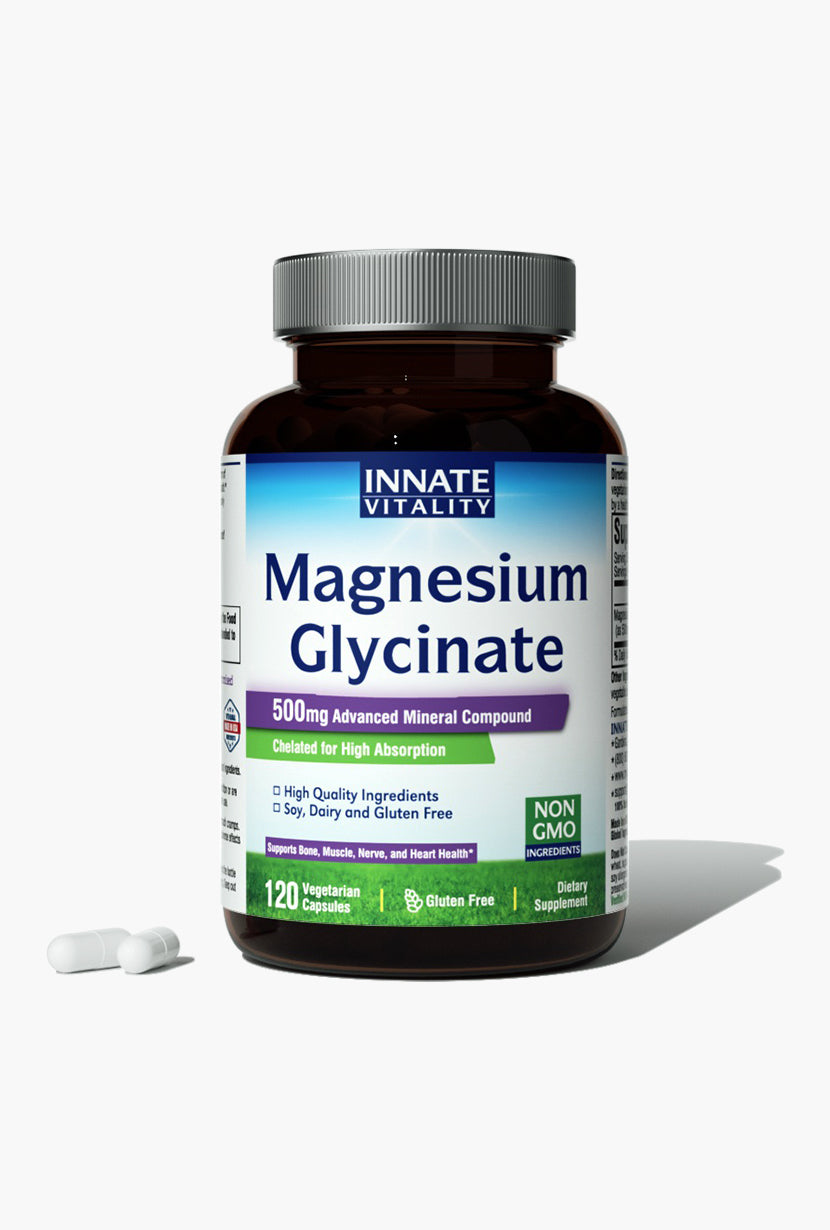
- Magnesium: food can reduce the chance of stomach discomfort
- Curcumin and plant extracts: digestion and bile flow can improve absorption of certain plant compounds
For example, taking vitamin D with a meal that contains healthy fats like eggs, avocado, olive oil, or nuts may significantly improve bioavailability compared with taking it on an empty stomach.
Supplements That May Work Better On an Empty Stomach
Certain nutrients absorb more efficiently when they are not competing with food during digestion.
- Iron supplements, which may absorb better without foods that contain calcium, fiber, or polyphenols
- Amino acids, which can compete with protein from food for absorption
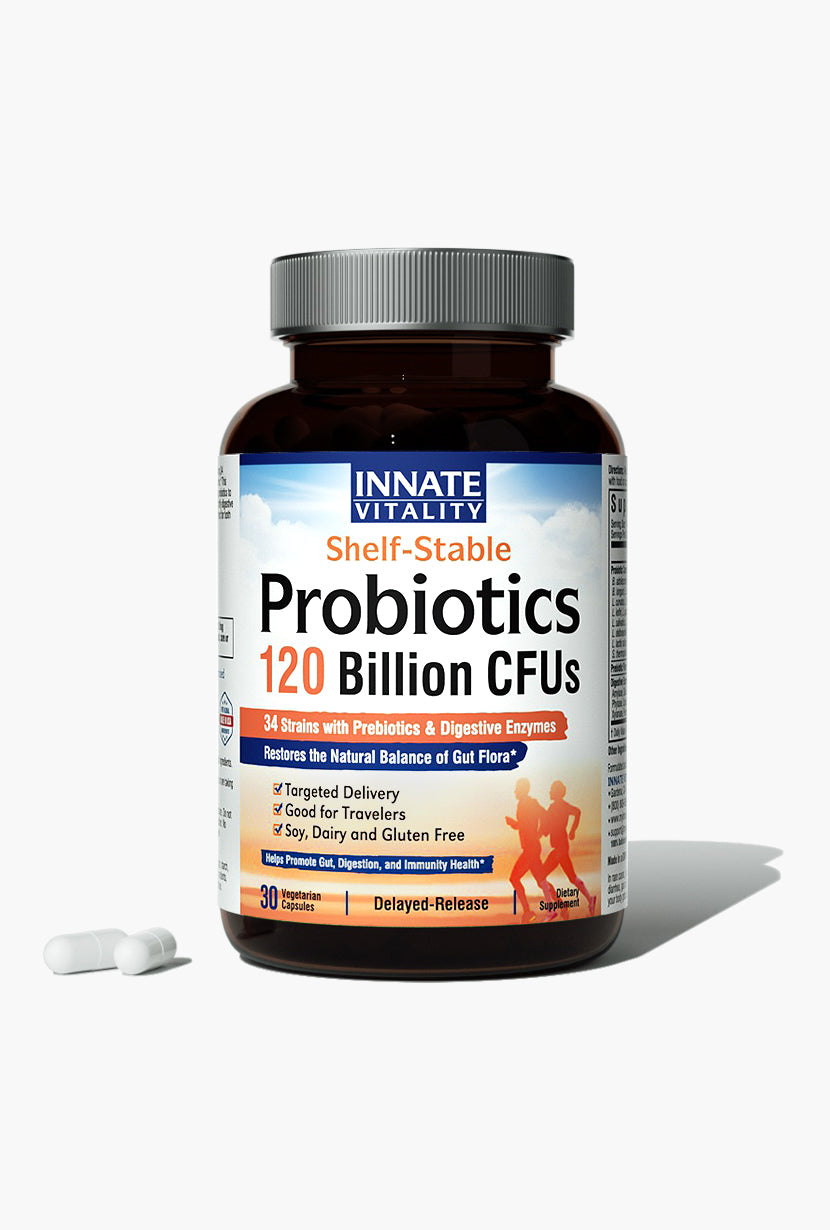
- Some probiotics that may survive stomach acid better before meals
However, tolerance still matters. Iron supplements, for example, are commonly recommended on an empty stomach, but many people take them with a small amount of food to reduce nausea or stomach irritation.
Why Food Sometimes Improves Supplement Effectiveness
Food stimulates several digestive processes that help the body absorb nutrients more efficiently.
- Increased stomach acid production
- Release of digestive enzymes
- Bile secretion, which helps digest fats
- Slower gastric emptying that allows more time for absorption
Dietary fat plays a particularly important role because it helps dissolve fat‑soluble nutrients. Without these digestive responses, some nutrients may pass through the digestive system without being fully absorbed.
When Taking Supplements On an Empty Stomach May Cause Problems
Although some supplements absorb well without food, taking them on an empty stomach can sometimes lead to discomfort.
- Nausea
- Stomach irritation
- Acid reflux
- Lightheadedness for sensitive individuals
Supplements most commonly associated with stomach irritation include iron, zinc, magnesium, and high‑dose vitamin C. Taking these with a small meal can often reduce side effects while still allowing adequate absorption.
Best Practices for Supplement Timing
Choosing the right time to take supplements often comes down to balancing absorption with comfort. A few practical strategies can help improve effectiveness.
- Take fat‑soluble vitamins with meals that contain healthy fats
- Take multivitamins with breakfast or lunch to reduce stomach irritation
- Take iron separately from calcium supplements when possible
- Consider taking amino acids or specialty supplements between meals
- Maintain a consistent schedule so the body adapts to your routine
Spacing certain nutrients apart can also improve absorption. For example, calcium may interfere with iron absorption, so separating them by a few hours may be beneficial.
The Bottom Line
So do supplements work better with food or on an empty stomach? The answer depends on the nutrient. Fat‑soluble vitamins, multivitamins, and many herbal extracts tend to work better when taken with meals, while certain minerals, amino acids, and probiotics may absorb more efficiently on an empty stomach.
Understanding how different supplements interact with digestion allows you to choose the best timing for each nutrient. Paying attention to food interactions, digestive comfort, and consistency can help ensure your supplement routine delivers the maximum possible benefit.