Magnesium is an essential mineral that plays a vital role in over 300 enzymatic reactions in the human body. From supporting muscle and nerve function to regulating blood pressure and promoting bone health, magnesium is a powerhouse nutrient. However, with so many different types of magnesium supplements available on the market, it can be confusing to know which one is best for your specific health needs. This article dives deep into different types of magnesium explained (which one is best?), helping you make an informed decision tailored to your wellness goals.
Before exploring the various forms, it’s important to understand why magnesium is crucial. Magnesium deficiency, though rare, is more common than you might think due to poor dietary intake, soil depletion, and lifestyle factors such as stress and excessive caffeine consumption. Low magnesium levels can lead to symptoms like muscle cramps, anxiety, fatigue, insomnia, and even migraines.
Supplementing with the right type of magnesium can help alleviate these issues and improve overall health. But not all magnesium supplements are created equal—bioavailability, absorption rates, and side effects vary widely.
Best for: Anxiety, constipation, osteoporosis, metabolic syndrome
Magnesium citrate is one of the most popular and highly bioavailable forms of magnesium. It combines magnesium with citric acid, which enhances its absorption in the digestive tract. This form is especially useful for people dealing with mild constipation due to its gentle laxative effect.
Key benefits:
- Helps regulate blood pressure and blood sugar levels, as shown in a 2021 study where 400 mg/day reduced blood pressure and HbA1c in metabolic syndrome patients.
- Supports bone health and may alleviate anxiety.
- More bioavailable than many other types, meaning your body absorbs it effectively.
Best for: Sleep support, muscle recovery, anxiety, depression
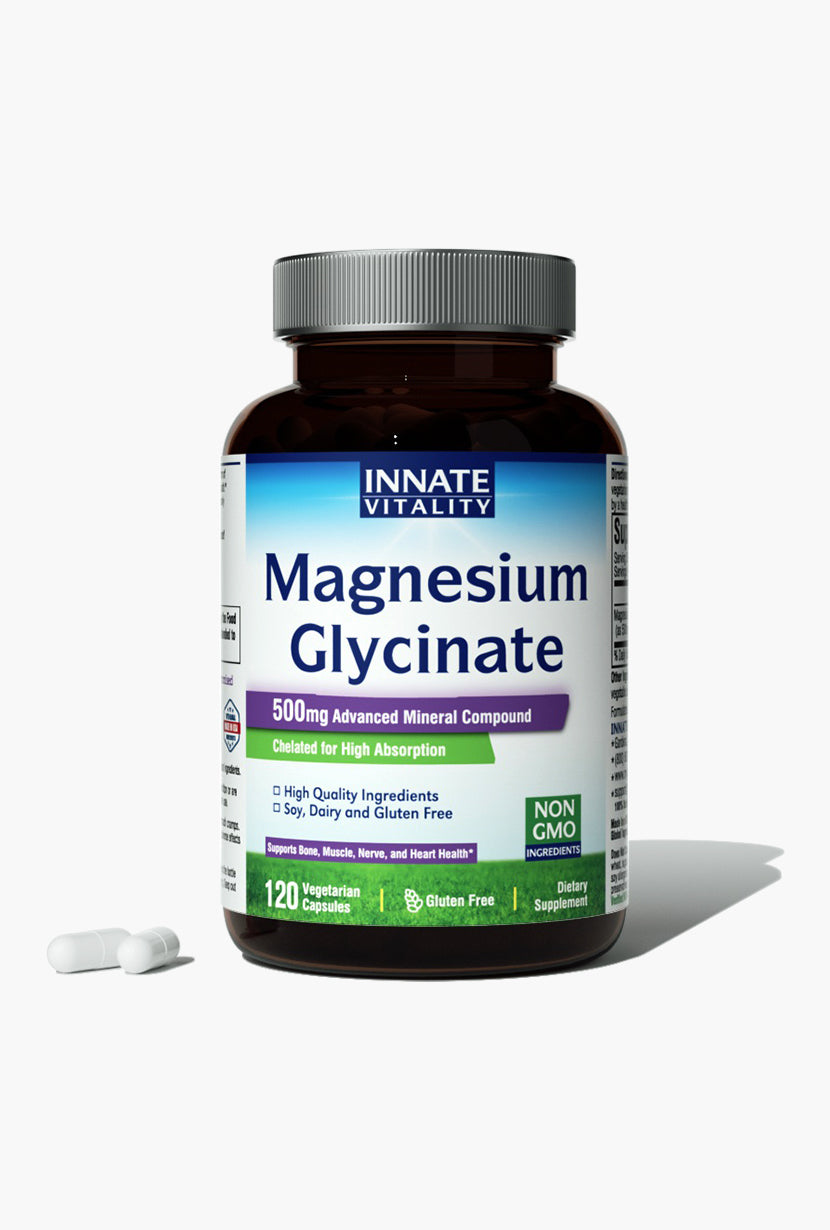
Magnesium glycinate is magnesium bound to the amino acid glycine, enhancing its absorption and making it gentle on the stomach. It’s less likely to cause diarrhea than other forms and is often recommended for those with anxiety, insomnia, or muscle soreness.
Key benefits:
- Promotes relaxation and improves sleep quality.
- Supports muscle recovery and reduces symptoms of depression.
- Highly bioavailable and well tolerated.
Best for: Brain health, anxiety reduction, cardiovascular support
This form combines magnesium with taurine, an amino acid known for its calming and cardioprotective effects. Preliminary animal studies suggest magnesium acetyl taurate may protect brain tissue and reduce anxiety symptoms.
Key benefits:
- Rapidly absorbed and crosses the blood-brain barrier.
- May help decrease anxiety and support cognitive function.
- Supports heart health by regulating blood pressure and heart rhythms.
Best for: Cognitive function, memory, brain inflammation
Magnesium L-threonate is unique because it can cross the blood-brain barrier more effectively than other forms, increasing magnesium levels in the brain. This makes it ideal for those seeking cognitive enhancement or relief from brain fog.
Key benefits:
- Shown to improve memory, learning, and concentration.
- May reduce brain inflammation and support neurological health.
- In a 2023 study, it decreased pain and opioid use in advanced cancer patients.
Best for: General supplementation, immune support, muscle pain
Magnesium chloride is well absorbed and versatile. It’s often used in topical applications (like magnesium oils) and supplements for general magnesium replenishment.
Key benefits:
- Supports immune function and muscle relaxation.
- Useful for those with digestive issues or muscle cramps.
Best for: Fatigue, fibromyalgia, muscle pain
This form combines magnesium with malic acid, a compound involved in energy production. It’s popular among people with chronic fatigue or fibromyalgia for its potential to increase energy and reduce muscle pain.
Key benefits:
- Supports mitochondrial energy production.
- Helps alleviate muscle soreness and fatigue.
Best for: Heart health, nerve function, blood pressure regulation
Magnesium orotate is known for its cardiovascular benefits. It may help prevent arrhythmias and improve nerve health while having fewer digestive side effects.
Key benefits:
- Supports heart rhythm and blood pressure.
- Enhances nerve function.
Best for: Short-term relief of constipation and heartburn
Magnesium oxide is one of the most common and inexpensive forms but has lower bioavailability compared to others. It is primarily used for its laxative effects and as an antacid.
Key benefits:
- Effective for occasional constipation and indigestion.
- High elemental magnesium content.
Best for: External use, muscle soreness, detox baths
Commonly known as Epsom salts, magnesium sulfate is primarily used externally for muscle relaxation and detoxification.
Key benefits:
- Relieves muscle soreness and spasms when used in baths.
- Helps reduce inflammation.
Choosing the right magnesium supplement depends on your individual health goals and tolerance.
1. Identify Your Primary Health Needs:
Sleep and relaxation: Magnesium glycinate is ideal.
Constipation relief: Magnesium citrate or oxide.
Cognitive support: Magnesium L-threonate or acetyl taurate.
Muscle pain and fatigue: Magnesium malate or glycinate.
Heart health: Magnesium orotate or acetyl taurate.
General supplementation: Magnesium chloride or citrate.
2. Consider Bioavailability:
Forms like glycinate, citrate, and malate have higher absorption rates, meaning you get more benefit from smaller doses.
3. Consult a Healthcare Professional:
Especially if you have existing health conditions or take medications, a doctor or registered dietitian can help you choose the best type and dosage.
- Start with a low dose to assess tolerance and gradually increase as needed.
- Pair supplements with magnesium-rich foods like leafy greens, nuts, seeds, and whole grains for optimal results.
Understanding the different types of magnesium explained (which one is best?) empowers you to select a supplement that aligns with your health goals. Whether you need better sleep, relief from constipation, cognitive support, or muscle recovery, there’s a magnesium form designed for you. Remember, the best magnesium is one that your body absorbs well and fits your lifestyle and health needs. Ready to optimize your magnesium intake? Consult with a healthcare provider to find the perfect match and start reaping the benefits of this essential mineral today!