





Common Nutrient Deficiencies in Modern Diets

Modern diets are often convenient, fast, and easy to fit into busy lifestyles—but they may not always provide the nutrients your body needs. Even when you’re eating enough calories, you may still fall short on key vitamins and minerals that support energy, immunity, bone health, and overall wellness. The challenge is that nutrient deficiencies don’t always show obvious symptoms right away. Instead, they may show up gradually as fatigue, low energy, or feeling “off” without a clear reason. Let’s look at some of the most common nutrient deficiencies in modern diets and why they matter.
Why Nutrient Deficiencies Are So Common Today
With today’s fast-paced lifestyles, many people rely on convenient foods that are highly processed but low in nutritional value.
Common habits that may contribute to nutrient gaps include:
- Eating processed or packaged foods regularly
- Skipping meals
- Limited variety in the diet
- Low intake of fruits and vegetables
Over time, these habits can make it harder for your body to get the nutrients it needs.
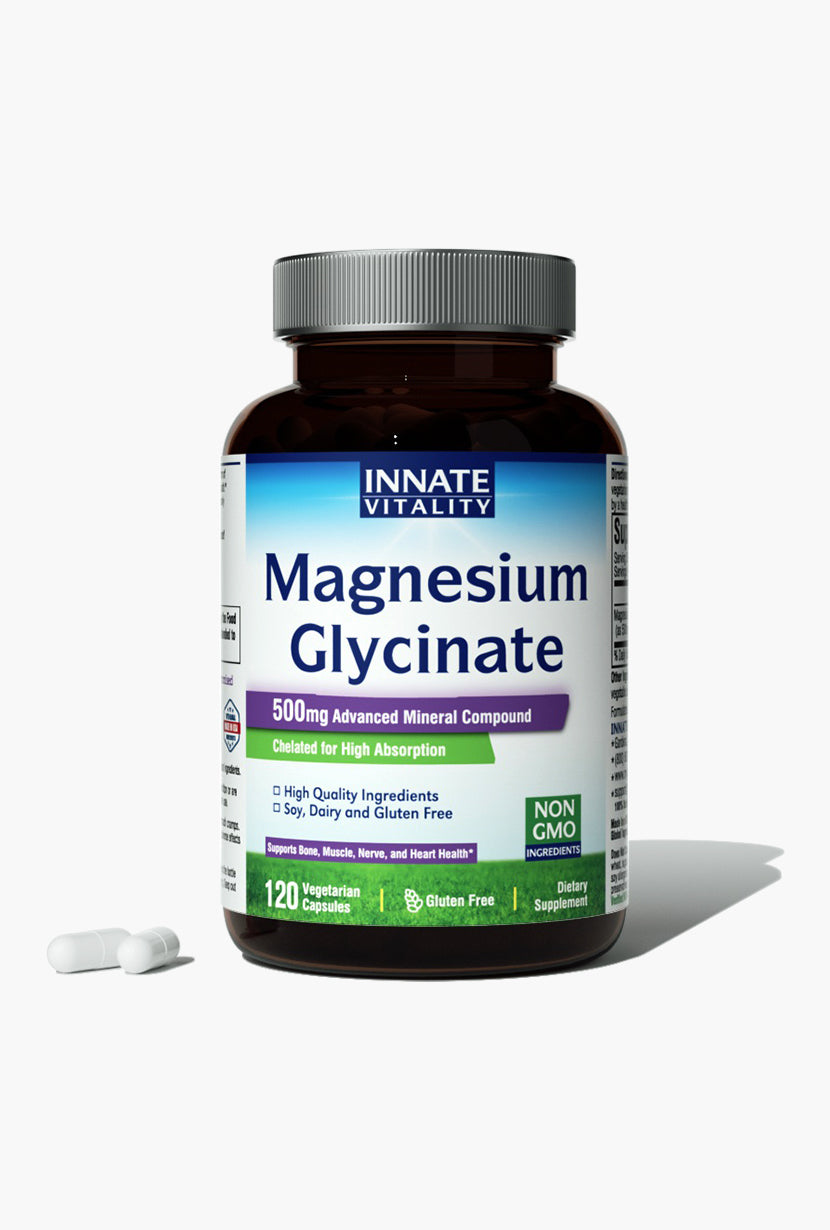
Magnesium: Often Overlooked
Magnesium plays a role in hundreds of processes in the body, including muscle function, nerve support, and energy production.
However, many people may not get enough magnesium through their daily diet.
Common food sources include:
- Spinach
- Nuts
- Seeds
- Beans
- Whole grains
Because refined foods often contain less magnesium, intake may be lower than expected.
Vitamin D: Hard to Get from Food Alone
Vitamin D is essential for supporting bone health and overall wellness.
Your body can make vitamin D through sunlight exposure, but many people spend most of their time indoors.
Food sources are limited and include:
- Fatty fish
- Egg yolks
- Fortified dairy products
This makes vitamin D one of the most common nutrient gaps.
Iron: Essential for Energy
Iron helps support oxygen transport in the body and contributes to normal energy levels.
Low iron intake may leave you feeling tired or low on energy.
Natural sources include:
- Red meat
- Lentils
- Spinach
- Beans
Plant-based diets may require extra attention to iron intake.
Calcium: Important for Long-Term Health
Calcium is well known for supporting strong bones and teeth.
But if dairy intake is low and other calcium-rich foods aren’t included regularly, intake may fall short.
Good sources include:
- Dairy products
- Leafy greens
- Tofu
- Sardines
Consistent intake matters for long-term support.
Potassium: Commonly Under-Consumed
Potassium helps support hydration, muscle function, and fluid balance.
Yet many people don’t eat enough potassium-rich foods.
Natural sources include:
- Bananas
- Sweet potatoes
- Beans
- Avocados
A diet high in processed foods often lacks this important mineral.
Vitamin B12: A Key Nutrient for Daily Function
Vitamin B12 supports energy metabolism and overall function.
It is found mainly in animal-based foods, such as:
- Meat
- Fish
- Eggs
- Dairy
People who avoid animal products may need to pay closer attention to their intake.
Omega-3s: Often Missing from the Diet
Healthy fats are an important part of overall nutrition, but omega-3 intake is often lower than ideal.
Sources include:
- Salmon
- Sardines
- Walnuts
- Flaxseeds
These fats support overall wellness and daily balance.
Signs You May Be Missing Key Nutrients
Nutrient gaps can affect how you feel in everyday life.
Common signs may include:
- Feeling tired often
- Low energy levels
- Difficulty staying balanced
- Feeling run down
These symptoms can have many causes, but nutrition is an important place to start.
Building a More Nutrient-Dense Diet
The good news is that improving nutrient intake doesn’t have to be complicated.
Simple ways to support better nutrition:
- Eat more whole foods
- Include a variety of fruits and vegetables
- Choose nutrient-dense snacks
- Reduce reliance on highly processed foods
Small changes can improve your nutritional balance over time.
Conclusion
Nutrient deficiencies are more common than many people realize—especially in modern diets built around convenience. Even when your meals seem “good enough,” missing important nutrients like magnesium, vitamin D, iron, and potassium can affect how you feel each day. By focusing on whole, nutrient-rich foods and paying attention to common gaps, you can better support your body’s energy, balance, and overall wellness.