





Beyond the Treadmill: Why "Metabolic Conditioning" is the Secret to All-Day Fat Burning

For decades, the "gold standard" for fitness was the steady-state cardio session. We were told that to burn fat and improve health, we needed to spend 60 minutes at a moderate pace on a treadmill or elliptical. While cardiovascular health is vital, this "steady-state" approach often leads to a plateau. Your body is incredibly adaptive; eventually, it becomes too efficient at these repetitive movements, burning fewer calories for the same amount of effort. To break through, you need to shift from "cardio" to Metabolic Conditioning (MetCon). This isn't just about moving; it’s about strategically manipulating your work-to-rest ratios to spark a physiological response that lasts long after you leave the gym.
The Science of the "Afterburn" Effect
The primary limitation of traditional cardio is that the calorie burn stops the moment you step off the machine. Metabolic Conditioning, however, utilizes a phenomenon known as EPOC (Excess Post-exercise Oxygen Consumption).
When you perform high-intensity intervals followed by short rest periods, you create an "oxygen debt." Your body has to work overtime for the next 24 to 48 hours to restore oxygen levels, balance hormones, and repair muscle tissue. This means your metabolic rate remains elevated while you are sitting at your desk, eating dinner, or even sleeping. You aren't just burning fuel during the workout—you are upgrading your engine's idle speed.
Efficiency: Maximum Results in Minimal Time
One of the biggest barriers to fitness is time. MetCon solves this by prioritizing intensity over duration. Because you are challenging multiple energy systems—both aerobic (with oxygen) and anaerobic (without oxygen)—you can achieve more in a 20-minute MetCon circuit than in an hour of slow jogging.
By utilizing compound movements (like squats, lunges, and rows) in a circuit format, you engage more muscle fibers. This systemic demand triggers a higher release of growth-oriented hormones, which helps preserve lean muscle mass even while you are in a fat-burning phase.
The "Stress-Adaptation" Balance
Metabolic Conditioning is a powerful tool, but it is also a significant stressor on the central nervous system. To see progress, you must respect the General Adaptation Syndrome. This is the process where the body recovers from a stressor to become more resilient.
If you perform MetCon every single day without adequate recovery, you risk "Redline Fatigue," where your cortisol levels stay chronically high, leading to inflammation and stalled progress. The secret to a high-performance physique is the "Push-Pull" relationship: push the intensity in the gym, then pull back and focus on the biological building blocks that allow your cells to repair.
Fueling the Metabolic Fire
You cannot perform at a high level if your internal "machinery" is lacking raw materials. High-intensity training depletes your body of specific micronutrients at a much faster rate than a sedentary lifestyle.
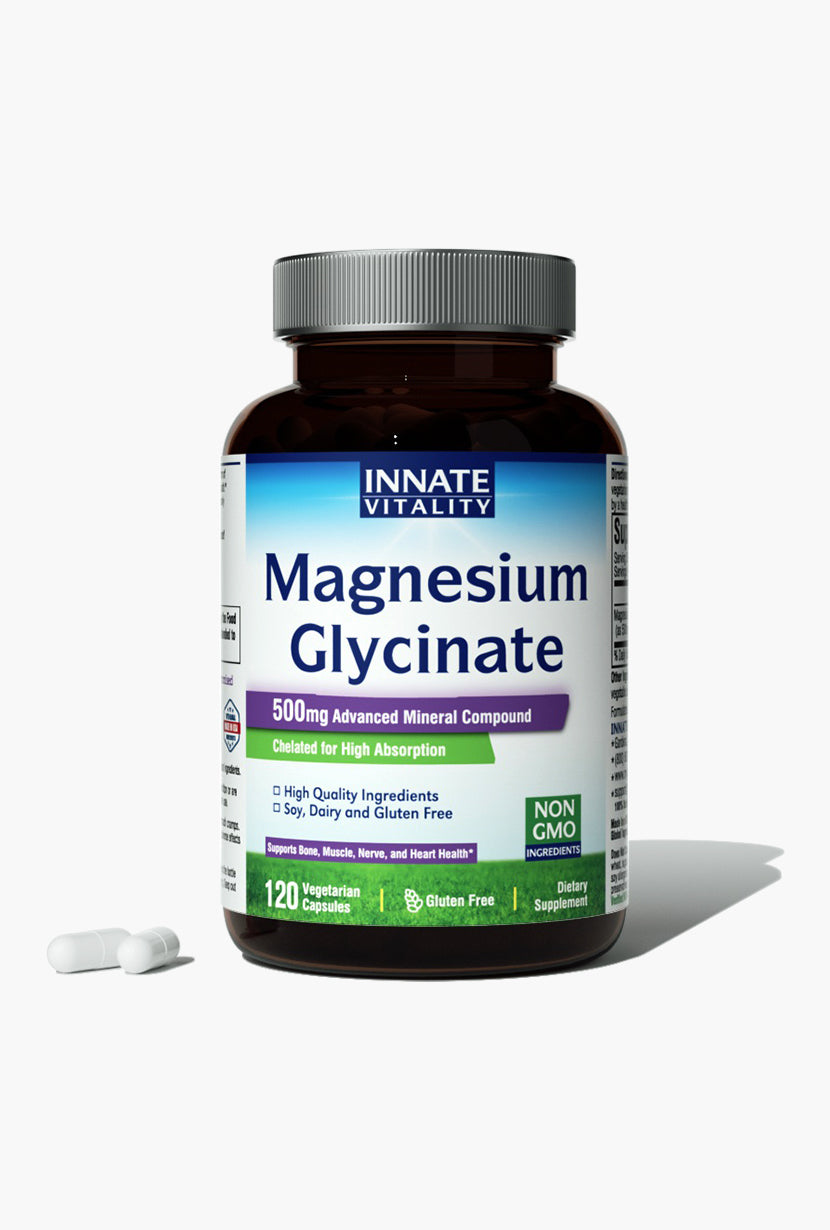
- Mineral Replacement: During a MetCon session, you lose electrolytes through sweat and use up intracellular Magnesium for muscle contraction.
- The Recovery Bridge: This is where a proactive supplement strategy becomes a competitive advantage. Providing your body with bioavailable minerals and antioxidants immediately after a session helps neutralize oxidative stress and speeds up the "Afterburn" repair process. It ensures that your metabolism stays "flexible" and ready for the next challenge.
Conclusion
Fitness is not a game of how long you can suffer; it’s a game of how efficiently you can trigger a biological change. By trading in some of your long, slow cardio sessions for targeted Metabolic Conditioning, you teach your body to become a more efficient, fat-burning machine. Remember: the goal of training isn't just to burn calories now, but to build a body that is more capable, resilient, and energized for everything life throws at it tomorrow.