





Beyond the Burn: 5 Science-Backed Secrets to Accelerate Muscle Recovery

For many fitness enthusiasts, the "workout" is the main event. We obsess over reps, sets, and heart rate zones, believing that the harder we push, the faster we progress. But in the world of sports science, a different truth emerges: you don't actually get stronger during your workout; you get stronger during the hours and days that follow. Exercise is the stressor that breaks muscle fibers down, but recovery is the biological process that builds them back better. If you aren't optimizing your post-workout window, you aren't just slowing your progress—you’re leaving your hard-earned gains on the gym floor.
The Anabolic Window: It’s Longer Than You Think
Moving Beyond the 30-Minute Myth
For years, gym culture was obsessed with the "30-minute anabolic window," the idea that you must consume protein immediately after a workout or lose your progress. Recent research suggests that while timing matters, the body remains in a heightened state of protein synthesis for up to 24–48 hours post-exercise.
Focus on Sustained Delivery
Rather than panicking over a post-workout shake, focus on consistent protein and nutrient intake throughout the day. This sustained delivery provides the amino acids necessary to repair the micro-tears in your muscle tissue, ensuring that the recovery process never stalls.
Glycogen Replenishment: Refueling the Tank
The Role of Strategic Carbohydrates
When you engage in high-intensity training, your muscles rely on stored glucose, known as glycogen, for fuel. By the end of a session, those stores are often depleted. If you don't replenish them, your body may begin to break down muscle tissue to find the energy it needs for basic functions.
Speeding Up the Process
Consuming high-quality carbohydrates following a workout triggers an insulin response, which acts like a key, opening up your muscle cells to absorb nutrients. This doesn't just replenish your energy; it creates a hormonal environment that favors muscle growth over muscle breakdown.
The Electrolyte Balance: More Than Just Hydration
The Electrical Current of Recovery
We all know we need to drink water, but hydration is about more than just H2O. Every time your muscles contract and relax, they use minerals like Magnesium, Potassium, and Sodium. These electrolytes carry the electrical signals that allow your muscles to function.
Preventing the "Post-Workout Crash"
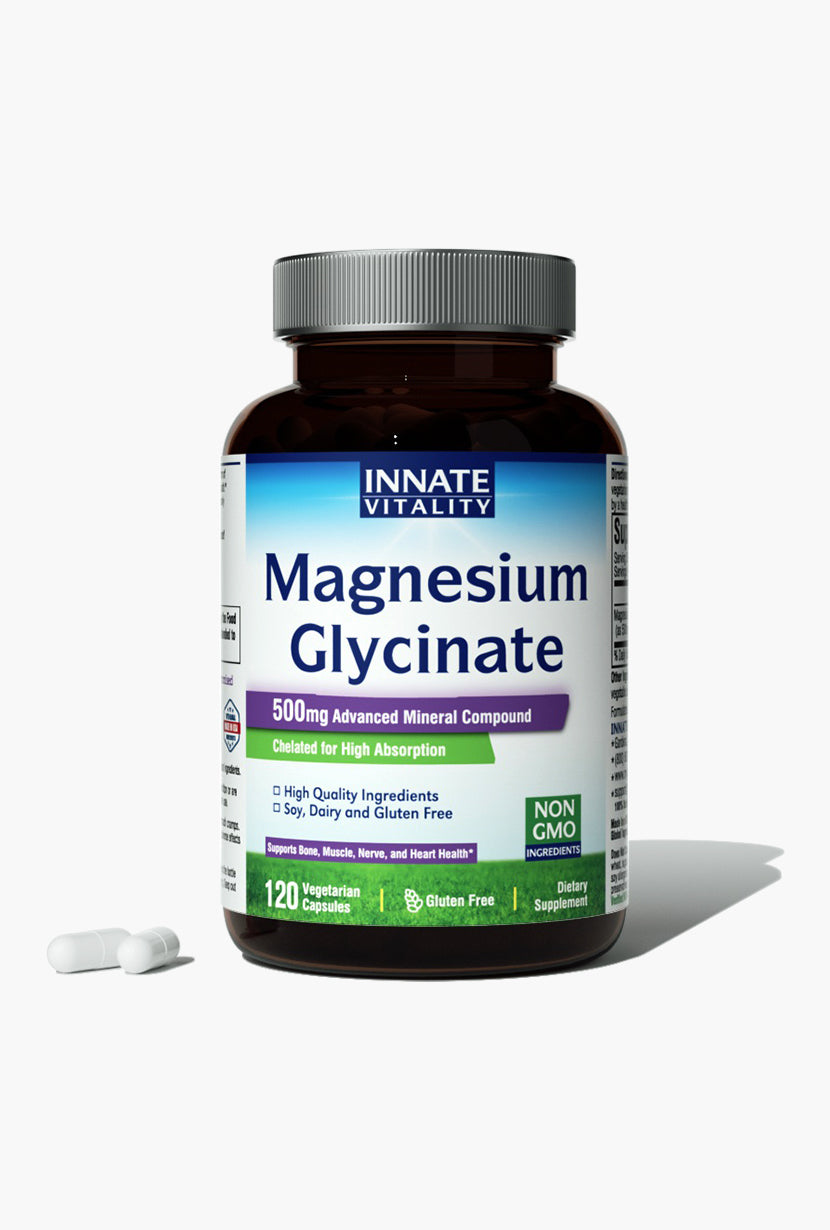
A lack of electrolytes—especially Magnesium—can lead to persistent muscle cramping, spasms, and that "heavy limb" feeling the day after a workout. Supplementing with bioavailable minerals helps flush out metabolic waste (like lactic acid) and restores the cellular balance required for muscle relaxation and repair.
Active Recovery: Why You Shouldn't Just Sit Down
The "Flushing" Effect
While it’s tempting to collapse on the couch after a grueling session, "passive" recovery can actually lead to increased stiffness. Active recovery—such as a light walk, swimming, or mobility work—increases blood flow to the muscle tissues without adding further stress.
Oxygen and Nutrient Delivery
Blood is the vehicle that carries oxygen and repair-nutrients to your muscles. By keeping your heart rate slightly elevated through gentle movement, you effectively "flush" the damaged tissue with the resources it needs to heal faster, significantly reducing the duration of DOMS (Delayed Onset Muscle Soreness).
The Sleep-Growth Hormone Connection
The Body’s Natural Repair Shop
The most powerful recovery tool in your arsenal is completely free: sleep. During deep sleep stages, your body releases the vast majority of its daily dose of Human Growth Hormone (HGH). This hormone is the primary driver of tissue repair and fat metabolism.
Optimizing the Nightly Cycle
If you cut your sleep short or have poor sleep quality, you are effectively cutting off your body's supply of its most potent repair chemical. For those who train hard, "8 hours of sleep" isn't a luxury—it’s a non-negotiable part of the training program itself.
Conclusion
Fitness is a two-part equation: the work and the recovery. When you treat your recovery with the same discipline as your training, you stop the cycle of burnout and start seeing the results you’ve worked so hard for. By focusing on nutrient timing, mineral balance, and biological rest, you empower your body to bounce back stronger every single time. We design our formulations to support this exact cycle—helping you bridge the gap between the athlete you are today and the one you want to become tomorrow.